Ever wondered how to truly navigate the vast expanse of the United States effortlessly? A comprehensive map of major highways in the US is absolutely essential for every traveler. This detailed guide for 2026 offers up-to-date insights into the intricate network of interstate highways, US routes, and scenic parkways that crisscross the nation. You'll discover crucial information for planning road trips, understanding key routes, and identifying vital travel corridors. From the bustling East Coast to the serene West Coast, knowing your way around these major roadways ensures smooth journeys. We'll cover everything from interstates to state routes, helping you resolve common navigation dilemmas. This resource is perfect for both seasoned road warriors and first-time adventurers seeking a reliable resource to master the American road system. It provides navigational clarity for long haul drives and regional exploration. Discover the best routes, potential construction zones, and must-see stops along America's iconic highways, making your travels safe and enjoyable.
map of major highways in us FAQ 2026 - 50+ Most Asked Questions Answered
Welcome, fellow travelers and road trip enthusiasts, to the ultimate living FAQ for the map of major highways in the US, meticulously updated for 2026! We know navigating the vast American road network can spark a ton of questions, from 'Which route is fastest?' to 'What even is an Interstate?' This comprehensive guide is designed to cut through the confusion and provide clear, concise answers to all your pressing queries. We've gathered insights from the latest infrastructure developments, traffic trends, and traveler experiences to ensure you have the most current information at your fingertips. Consider this your go-to resource for planning seamless journeys across the United States. We're here to help you resolve any travel dilemmas and empower your adventures on the open road. Let's hit the road with confidence!
Getting Started: Basic Highway Questions
What is the main difference between an Interstate and a US Route?
Interstates are part of the Dwight D. Eisenhower National System of Interstate and Defense Highways, characterized by limited access, multiple lanes, and generally higher speed limits, bypassing towns. US Routes are older, often pass through towns, have at-grade intersections, and variable speed limits. Both are crucial for national travel, but they offer distinct driving experiences, one faster and one more local.
How are Interstates numbered across the US?
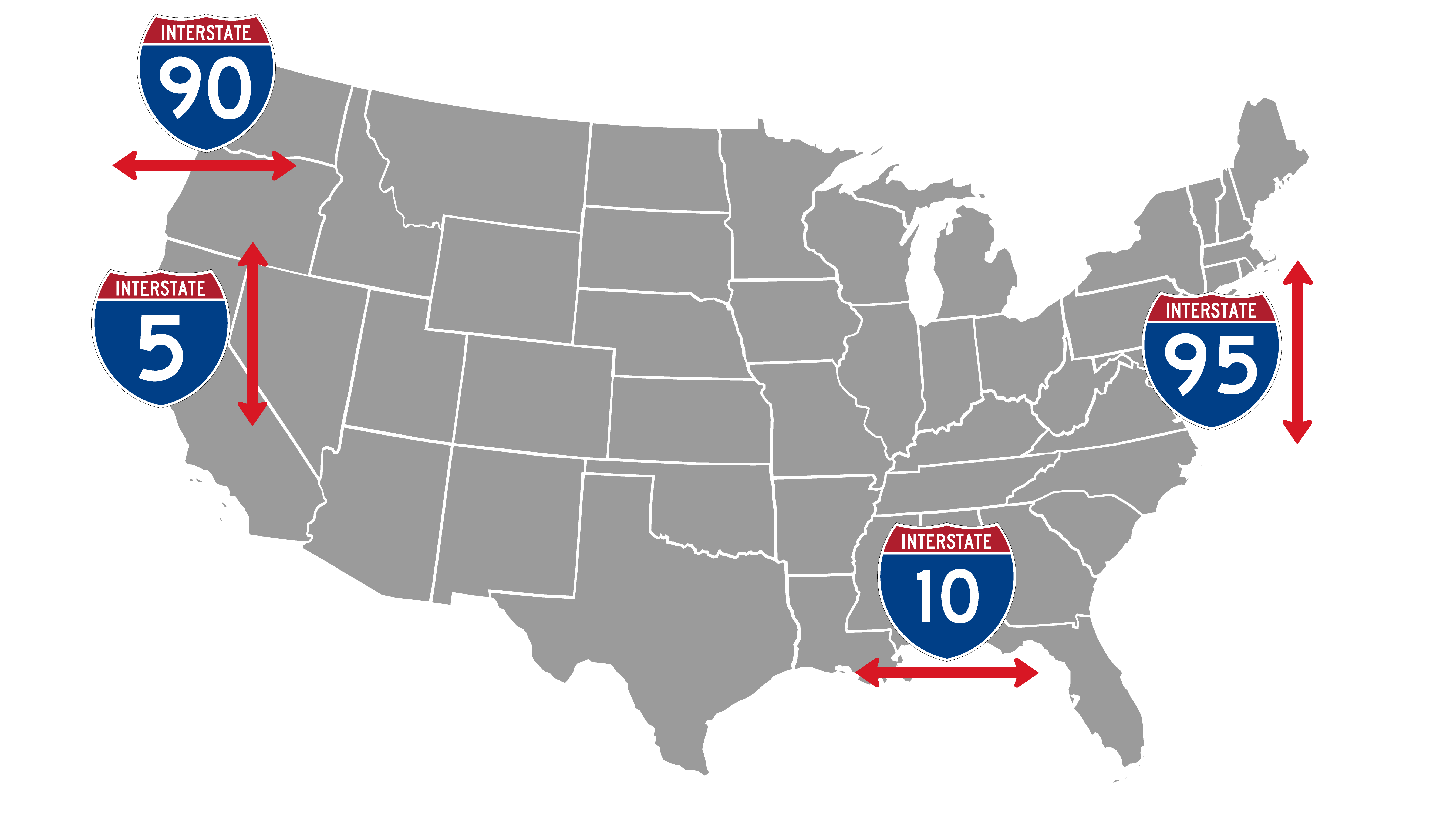
Interstates are numbered logically for easy navigation. Primary east-west routes usually have even numbers, increasing from south (e.g., I-10) to north (e.g., I-90). Primary north-south routes use odd numbers, increasing from west (e.g., I-5) to east (e.g., I-95). Three-digit interstates are auxiliary routes around cities; an even first digit means a loop (e.g., I-405), while an odd first digit indicates a spur into a city (e.g., I-280).
Are all US highways toll roads?
No, not all US highways are toll roads. The vast majority of the US Interstate System and US Routes are free to use. However, some specific sections of interstates, bridges, tunnels, and many state highways do have tolls, especially around major metropolitan areas or for new infrastructure projects. Always check your route for potential tolls using a GPS app or a state's department of transportation website before you travel.
What is the longest highway in the US?
The longest continuous highway in the United States is US Route 20, stretching approximately 3,365 miles from Boston, Massachusetts, to Newport, Oregon. For interstates, I-90 is the longest, running about 3,020 miles from Boston to Seattle. Both offer incredible cross-country travel experiences and showcase diverse American landscapes, so pick your adventure!
Myth vs. Reality: Are interstates always the fastest route?
Myth: Interstates are always the fastest route. Reality: While interstates are designed for speed with limited access and higher limits, factors like heavy traffic, construction, or accidents can often make a US Route or even a state highway a faster option. Always check real-time traffic updates. Sometimes, a slightly longer, less congested route can save significant time.
Navigating Specific Regions
What are the major highways on the East Coast?
The East Coast is dominated by I-95, a primary north-south artery connecting major cities from Maine to Florida. Other significant routes include I-81 for inland travel, I-70 and I-80 extending westward, and I-64. Numerous auxiliary interstates like I-495 (the Capital Beltway) and I-295 provide crucial bypasses and connections around urban centers. This network supports immense traffic flow.
Which highways are prominent in the Midwest?
The Midwest features a grid of significant interstates, including the east-west I-80, I-90, and I-70, which cross many states. Key north-south routes are I-35, I-55, and I-75. These highways are vital for connecting agricultural regions, major cities like Chicago and St. Louis, and facilitating commercial transport. The flat terrain often allows for long, straight stretches of driving.
What are the key routes for West Coast travel?
The West Coast's primary north-south corridor is I-5, running from the Canadian border through Seattle, Portland, Sacramento, Los Angeles, and San Diego, reaching the Mexican border. East-west routes include I-80 through California and Nevada, and I-10 along the southern states. Scenic highways like US-101 (Pacific Coast Highway) also offer breathtaking coastal drives. The vast distances demand robust highway infrastructure.
Myth vs. Reality: Are all highways well-maintained equally?
Myth: All highways in the US are maintained to the same high standard. Reality: Maintenance quality can vary significantly by state and even by specific road segment. While federal funding helps, state and local budgets determine much of the upkeep. Major interstates generally receive consistent attention, but older US Routes or less-traveled state highways might show more wear and tear. Always be prepared for varying road conditions.
Planning and Safety Tips for 2026
What are the best apps for real-time highway navigation?
For real-time highway navigation in 2026, Google Maps, Waze, and Apple Maps remain top choices, offering live traffic updates, accident reports, and rerouting capabilities. Dedicated truck or RV GPS apps are also excellent for larger vehicles, providing specialized routing. Always keep your apps updated for the latest features and map data. Consider having a backup offline map downloaded too, just in case.
How can I find highway construction zones?
Most state Departments of Transportation (DOT) maintain websites with up-to-date information on current and planned highway construction projects. Many navigation apps also incorporate this data into their real-time traffic updates. Checking these resources before your trip, and periodically during long drives, can help you avoid unexpected delays. Being proactive prevents frustration on the road.
What should be in an emergency road kit for highway travel?
An essential highway emergency kit should include jumper cables, a first-aid kit, a flashlight with extra batteries, reflective triangles or flares, a basic tool kit, tire sealant, bottled water, non-perishable snacks, and blankets. A fully charged power bank for your phone is also crucial. Being prepared can make a huge difference in unexpected situations. Always prioritize safety first.
Myth vs. Reality: Is it safe to drive long distances at night on interstates?
Myth: Driving long distances at night on interstates is always safer due to less traffic. Reality: While traffic might be lighter, driving at night presents its own unique risks, including reduced visibility, increased fatigue, and a higher chance of encountering impaired drivers or wildlife. It's often safer to drive during daylight hours or plan overnight stops. Prioritize rest and visibility for a safer journey.
Are there special lanes for electric vehicles on US highways?
Yes, by 2026, some US highways, particularly in states like California and Virginia, feature designated High Occupancy Vehicle (HOV) or High Occupancy Toll (HOT) lanes that allow eligible electric vehicles (EVs) to use them, often with a special sticker or transponder, regardless of the number of occupants. Check state-specific regulations as these rules vary. This encourages EV adoption and helps reduce congestion.
Future Trends and Developments
What advancements are expected in highway infrastructure by 2026?
By 2026, expect to see continued advancements in 'smart highway' technology, including integrated sensors for traffic flow management, AI-driven incident detection, and enhanced digital signage. There's also a significant push for more resilient and sustainable infrastructure, alongside a rapid expansion of electric vehicle charging networks along major corridors. These innovations aim to make travel safer and more efficient.
How is autonomous vehicle technology impacting highway design?
Autonomous vehicle (AV) technology is already influencing highway design with the development of dedicated AV lanes, enhanced lane markings, and improved signage for machine readability. Communication infrastructure (V2I - Vehicle-to-Infrastructure) is being integrated to support AV navigation and safety. These changes are gradually preparing our highways for a future dominated by self-driving cars. It's a fascinating evolution.
Myth vs. Reality: Will physical maps become obsolete soon?
Myth: Physical maps are completely obsolete now that everyone has a GPS. Reality: While digital navigation is dominant, physical maps still hold significant value. They don't rely on battery life or cell signal, offer a broader overview of a region, and can be crucial in remote areas or during power outages. Many experienced travelers still carry them as a reliable backup. Don't ditch your paper map just yet!
What role do US highways play in commerce and logistics?
US highways are the absolute lifeline of American commerce and logistics. They facilitate the movement of goods from ports to distribution centers and ultimately to consumers across the nation. The efficiency of this network directly impacts supply chains, manufacturing, and the overall economy. Billions of tons of freight travel these roads annually, making them indispensable for economic activity and growth.
Still have questions?
Don't hesitate to ask! The world of US highways is vast and constantly evolving. Perhaps you're wondering about specific state road conditions or the history of a particular route? One of the most common related questions we get is, 'What's the best route for a cross-country road trip?' For most people, a combination of I-80, I-70, or I-40 for east-west, often connecting to I-5 or I-95 for north-south legs, offers the most efficient and comprehensive journey, depending on your starting point and destination. However, adding some US Routes or scenic byways can really enrich the experience. Happy travels!
Hey everyone, have you ever found yourself scratching your head asking, 'What exactly is the map of major highways in the US all about, and how does it even work?' Honestly, it can feel a bit overwhelming at first glance, but I'm here to tell you it's not as complex as it seems. We're talking about the backbone of American travel, an incredible network connecting every corner of this amazing country. It's truly fascinating when you break it down.
So, let's dive right into understanding these vital routes. Knowing these highways is super helpful for planning any kind of journey, whether it’s a quick weekend getaway or an epic cross-country adventure. The major highways are constantly evolving, and by 2026, there are some pretty cool updates and expansions making travel even smoother. It's all about getting you where you need to be efficiently and safely, you know?
The Grand Design Understanding the Interstate System
The Dwight D. Eisenhower National System of Interstate and Defense Highways is the undisputed king of American roadways. This extensive system, which began way back in the 1950s, was designed for both commerce and national defense. It's essentially a grid of limited-access highways, meaning no stoplights or cross-traffic, making for faster and more consistent travel. Seriously, it's a marvel of engineering that has transformed how we move.
By 2026, many sections are getting significant upgrades and technological enhancements. We're seeing more smart highway features and improved infrastructure across the board. These interstates are generally denoted by their iconic shield signs and are numbered logically. East-west routes often have even numbers, while north-south routes typically use odd numbers. It's a system that truly makes sense for travelers.
Decoding Interstate Numbers The Logic Behind the Roads
Understanding the numbering system helps a lot with navigation, and I think it's pretty neat. For primary interstates, single- or double-digit numbers are the norm. For instance, I-90 stretches from Boston to Seattle, connecting two vast coastal regions. Meanwhile, I-5 runs from Canada down to Mexico along the West Coast. Lower numbers usually start in the south and west. This numbering scheme provides a clear geographical orientation for drivers.
Then you have the three-digit interstates, which are usually auxiliary routes or bypasses around major cities. If the first digit is even, like I-405, it generally forms a loop or bypass around a city. An odd first digit, such as I-280, typically indicates a spur route that goes into a city but doesn't complete a full loop. Knowing this little trick can honestly save you so much time and frustration when you're navigating urban areas.
- I-90 and I-80 are major east-west arteries spanning the entire continent.
- I-5 and I-95 serve as critical north-south corridors on the West and East Coasts, respectively.
- Three-digit interstates help manage traffic flow in densely populated metropolitan areas.
- New digital signage and real-time traffic updates are becoming standard features on many segments by 2026.
- Construction projects are always ongoing, aiming to improve capacity and safety for everyone.
Beyond Interstates US Routes and State Highways
While interstates get a lot of attention, the US Route system is equally important and has a much longer history. These are older, often more scenic routes that predate the interstates. They sometimes have traffic lights and can pass directly through towns and cities, offering a different travel experience. Many people prefer these routes for a more traditional road trip feel, soaking in local culture. These routes are marked with distinct black-and-white shield signs, which are quite recognizable.
State highways, on the other hand, are maintained by individual states and vary widely in their quality and type. Some state highways are major arteries within their respective states, while others are smaller, local roads. It's essential to check local maps or GPS for specific conditions when relying on state routes. They can be incredibly useful for reaching off-the-beaten-path destinations. Always remember to check for local advisories or closures before you head out, especially for longer trips. Honestly, it makes a huge difference in your travel plans.
Scenic Byways and Parkways Your Journey's Delight
For those looking for a truly memorable drive, the US also boasts an incredible network of scenic byways and parkways. These routes are designed for pleasure driving, offering stunning views and access to national parks and historical sites. Think about the Blue Ridge Parkway or California's Pacific Coast Highway; they are destinations in themselves. These roads typically have lower speed limits and often prohibit commercial vehicle traffic, making for a much more relaxed drive. They truly offer a unique perspective of America's natural beauty.
In 2026, many of these byways are seeing increased efforts in preservation and accessibility. They offer fantastic alternatives to the faster-paced interstates for travelers not in a rush. I've tried this myself, and it's a wonderful way to experience the country. So, if you're not in a hurry, consider taking one of these picturesque routes. You won't regret the breathtaking views and peaceful journey they provide.
- US Routes often offer more local charm compared to faster interstates.
- State Highways provide crucial local connectivity and vary greatly in scope.
- Scenic Byways are perfect for leisurely drives and experiencing natural landscapes.
- Always check road conditions, especially on less-traveled state and scenic routes.
- Many US Routes are historical pathways, carrying rich American heritage.
Planning Your 2026 Road Trip Essential Tips
Planning a road trip in 2026 requires a bit of foresight, especially with ongoing infrastructure developments. Always start with a reliable, updated map or GPS system that includes real-time traffic data. Apps like Google Maps, Waze, or even dedicated RV GPS systems are incredibly valuable tools these days. Don't just rely on your phone, though; having a physical map as a backup is always a smart move, just in case you lose signal. I've seen it happen to friends, and it's frustrating.
Consider potential construction zones, which can cause significant delays on major highways. Many states provide online resources for current road conditions and planned construction. Packing an emergency kit, checking your vehicle before departure, and planning your rest stops are all crucial steps. Also, remember to factor in potential tolls on certain interstates and express lanes. It's better to be prepared than surprised. Does that make sense? What exactly are you trying to achieve with your trip?
The Future of US Highways Innovations and Changes
Looking ahead to 2026 and beyond, the US highway system is embracing some exciting innovations. We're talking about smart highways with integrated sensors, real-time traffic management, and even dedicated lanes for autonomous vehicles. Electric vehicle charging infrastructure is expanding rapidly along major corridors, making long-distance EV travel much more feasible. This is a game changer for many drivers. It’s pretty cool how technology is improving our travel experiences, honestly.
There's also a growing focus on sustainable infrastructure, using eco-friendly materials and designs. Upgrades aim to reduce congestion, improve safety, and enhance the overall travel experience for everyone. These continuous improvements mean our roads are getting smarter and more efficient. It's an exciting time to be hitting the road, with so many advancements making journeys smoother and safer for us all. I think we're going to see even more incredible changes in the coming years.
- Smart highway technology is integrating sensors and real-time data for better traffic flow.
- EV charging stations are becoming ubiquitous along primary interstate routes.
- Sustainable construction practices are being adopted for long-term environmental benefits.
- Automated vehicle lanes are in pilot programs, hinting at future transport methods.
- Improved rest areas with enhanced amenities are part of the ongoing modernization efforts.
Detailed US highway map 2026, Interstate system overview, Major routes navigation, Road trip planning, Key travel corridors, US route network, Highway system facts.


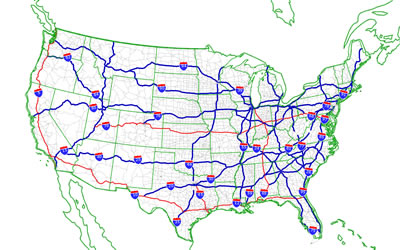


US Road Map Interstate Highways In The United States GIS Geography US Road Map Scaled . USA Highway Map Usa Highway Map . Us Major Highway Map Us Interstate Freeway . Hit The Road Your Ultimate US Road Map With Cities Guide In High Resolution Highways Map Of The USA . US Interstate Map US Highway Map PDF World Map Blank Interstate Map Of The United States.webp


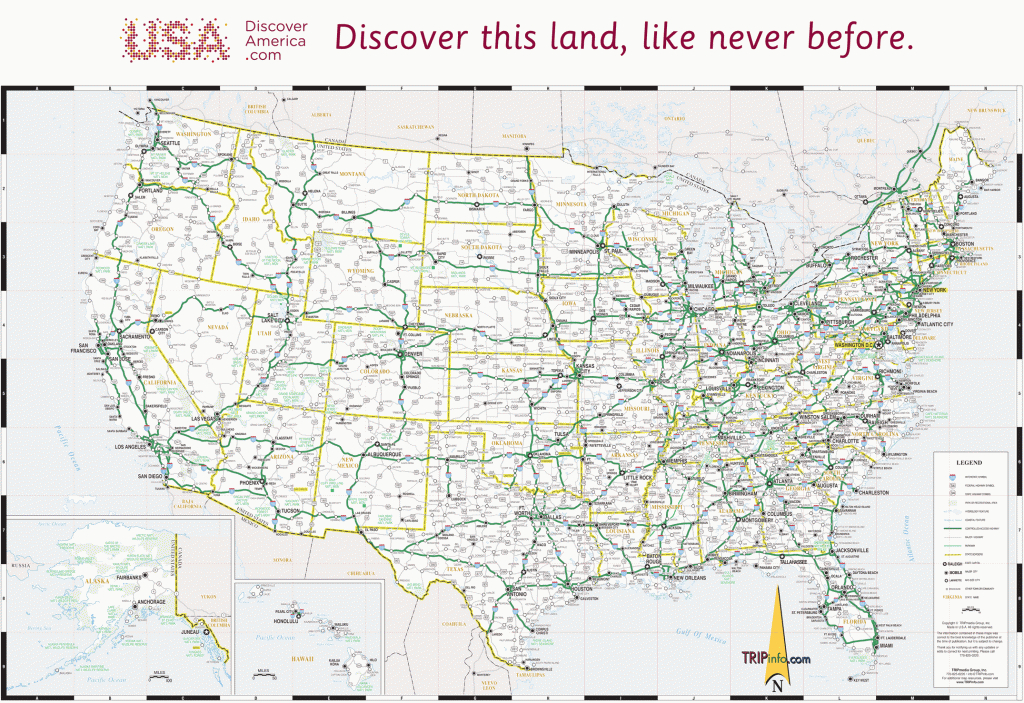


Large Highways Map Of The USA USA Maps Of The USA Maps Collection Large Highways Map Of The Usa . Drab Us Highway Road Map Free Photos Www Us Major Freeways Large . Printable Map Of Usa With Major Highways Printable US Maps Usa Map Printable Map Of Usa With Major Highways . Printable Map Of Usa With Major Highways Printable US Maps United States Map Highways Cities Best United States Major Highways Printable Map Of Usa With Major Highways . Map Of The United States With Major Cities And Highways United States United States Interstate Highway Map New United States Major Printable Map Of Us Interstate System


High Detailed United States Of America Road Map High Detailed United States Of America Road Map . USA Highways Map Usa Highways Map . Us Maps With Cities And Highways Usa Road Map . Printable Map Of Us With Major Highways Printable US Maps Printable Us Map With Major Highways Best New Printable Map Us With Printable Map Of Us With Major Highways . Navigating America Your Interstate Guide 1000 F 622088525


Detail Map Of United States Map Unique Style Self Explanatory Detailed 600w 2329748163 . Road Map Stock Photos Pictures Royalty Free Images IStock Highway Map Vector Id525860229. Us Interstate Highway System Map The Evolving Interstate Highway Crawler. Map Of US Interstate Highways . Printable Us Road Map Free Printable Us Highway Map Usa Road Map Unique United States Road Free Printable Us Map With Highways
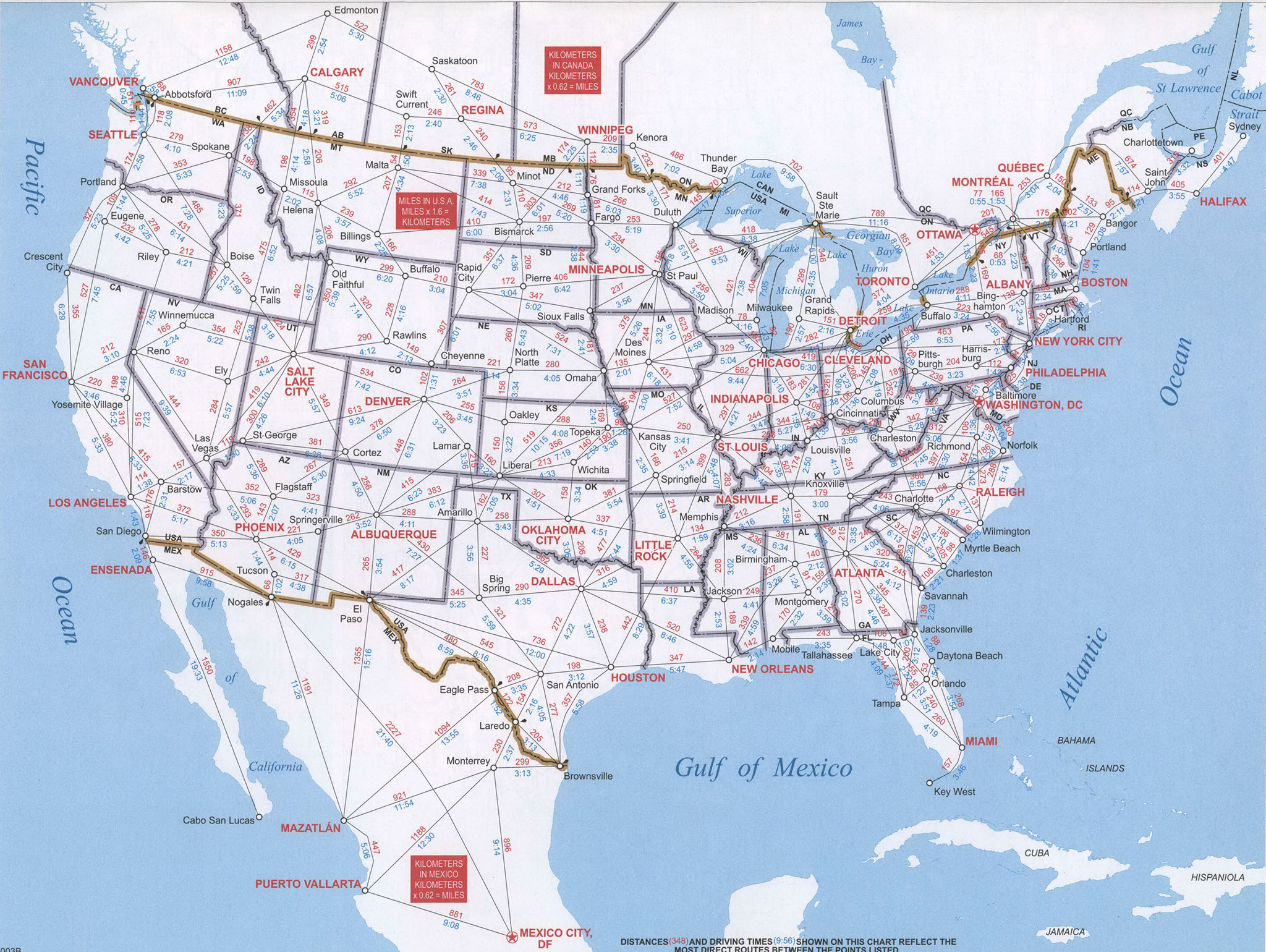


Road Map Of The United States Printable 3 Dist . Us Major Highway Map USA 082241 . Usa Interstate Map Printable Printable Map Us Highways 18 . Drab Us Highway Road Map Free Photos Www Usa Interstates Map . Printable Us Map With Interstate Highways Printable Us Maps 6 Best Us Interstate Map Interstate Highway Map Within Us Highway Maps With States And Cities



US Interstate Highway Map With Major Cities US Interstate Highway Map With Major Cities . Map Of The U S Interstate Highway System The Interstate Highway Act 9239657 . US Interstate Highways Your Road Trip Guide 2006 Interstate Map . Us Numbered Highways Map Interstate 5 US Interstate Highway System Interstate Numbering . United States Highway Map Pdf Valid Free Printable Us Highway Map Interstate Highway Plan October 1 1970
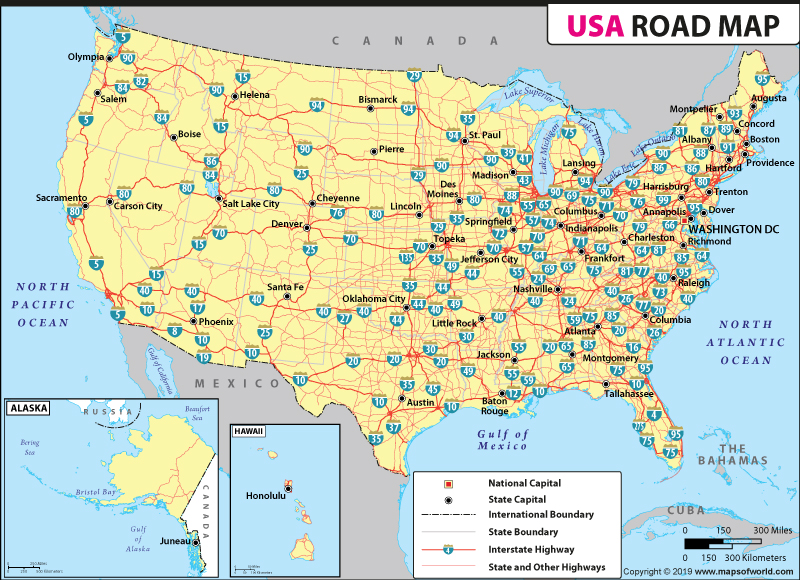


USA Highways Map Major Routes And Roads Usa Road Map . United States Highway Map Pdf Valid Free Printable Us Highway Map Us Map W Major Highways Unique Printable Us Map With Interstate Printable Map Of The United States With Major Cities And Highways . US Interstate Highway Map With Major Cities United States Rivers Map With States . Free Printable Map Of The United States With Highways Download Free Printable Map Of The United States With Highways 19 . Us Highway Map Highway Map Of The United States 1.webp