Are you wondering where can I rent a dethatcher to revitalize your lawn this season Locating the right equipment for effective thatch removal is crucial for a healthy vibrant yard Understanding the various rental options available in 2026 from large home improvement chains to local equipment suppliers will save you time and effort This comprehensive guide navigates through the top choices providing insights into pricing availability and the benefits of renting versus buying a dethatcher for different lawn sizes and needs Ensure your grass receives the optimal care it deserves with the right tools readily accessible at your fingertips Prepare for a lush green lawn this spring and fall by planning your dethatcher rental strategy today.
where can i rent a dethatcher FAQ 2026 - 50+ Most Asked Questions Answered (Tips, Trick, Guide, How to, Common Issues, Best Practices, Long-Term Care)
Welcome to the ultimate living FAQ for all your dethatching needs in 2026! We understand that maintaining a pristine lawn is a top priority, and knowing where and how to rent a dethatcher is crucial. This guide is updated with the latest information, covering everything from basic queries to advanced strategies, ensuring your lawn stays healthy and vibrant. We'll explore common issues, share best practices, and offer insights into long-term care for a thatch-free yard. Get ready to transform your lawn into the envy of the neighborhood!
Beginner Dethatching Queries
Can you rent a dethatcher at Home Depot in 2026?
Yes, Home Depot continues to be a primary location for dethatcher rentals in 2026. They typically offer both power rakes and vertical dethatchers, available for various rental periods, including 4-hour, daily, and weekly options. Availability can vary by store location and demand.
How much does it cost to rent a dethatcher from Lowe's?
Renting a dethatcher from Lowe's in 2026 typically costs between $60-$80 for a 4-hour period and $90-$120 for a full day. These prices can fluctuate based on the specific model and your geographic location, so always check your local store's pricing online.
Is it better to rent or buy a dethatcher for a small yard?
For a small yard, renting a dethatcher is generally more cost-effective. Dethatching is usually only needed once or twice a year, making a purchase impractical unless you enjoy frequent heavy lawn work or have storage space. Rental saves money and storage space.
What is the difference between a dethatcher and a power rake?
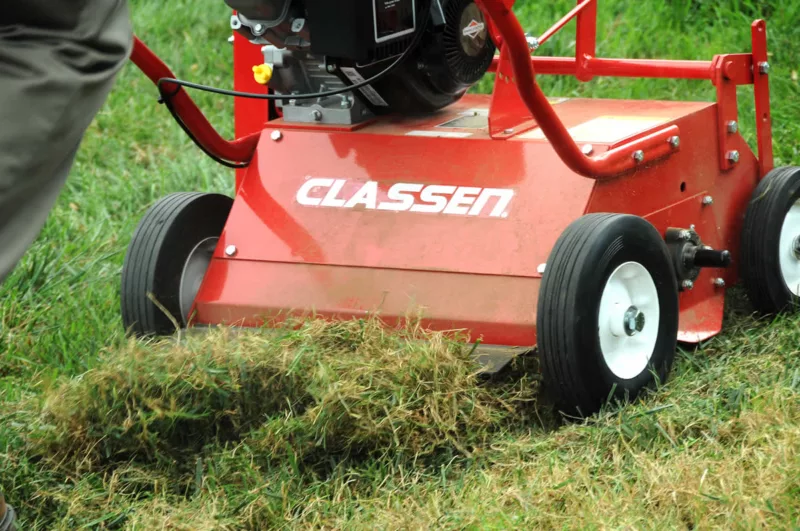
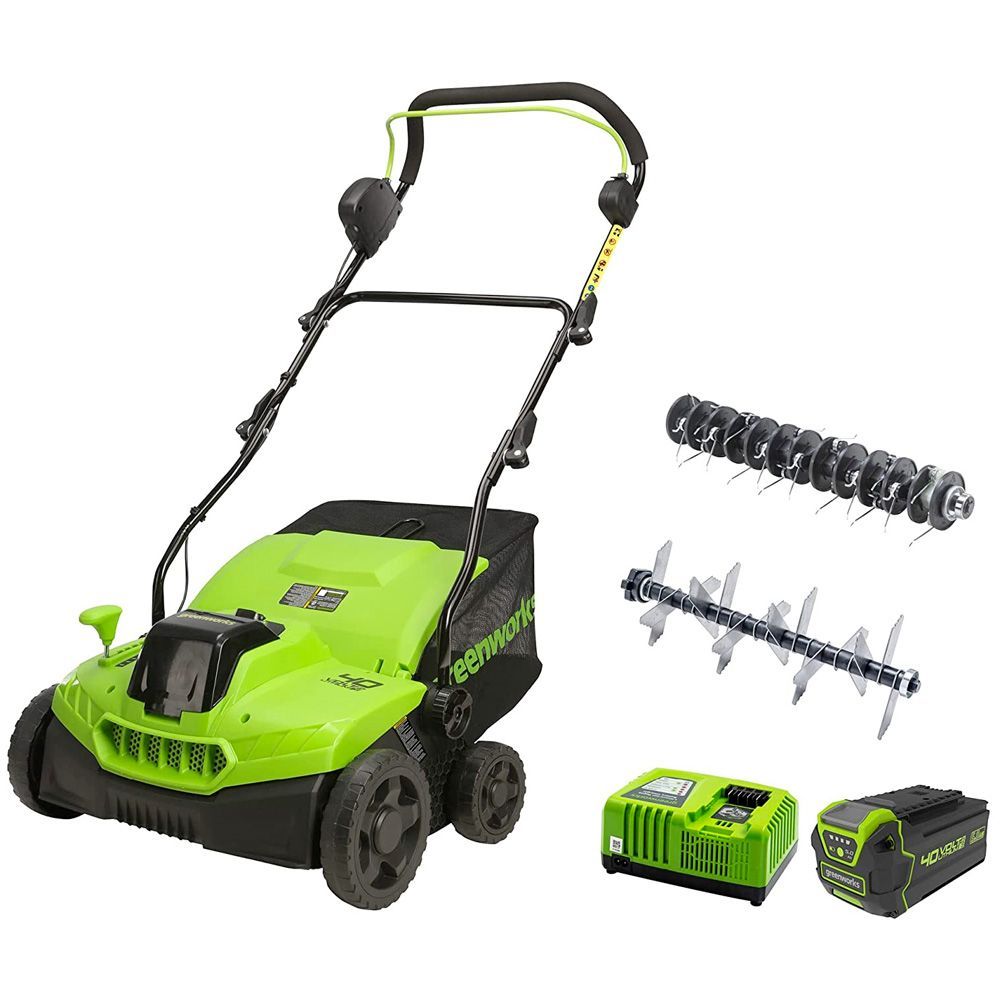
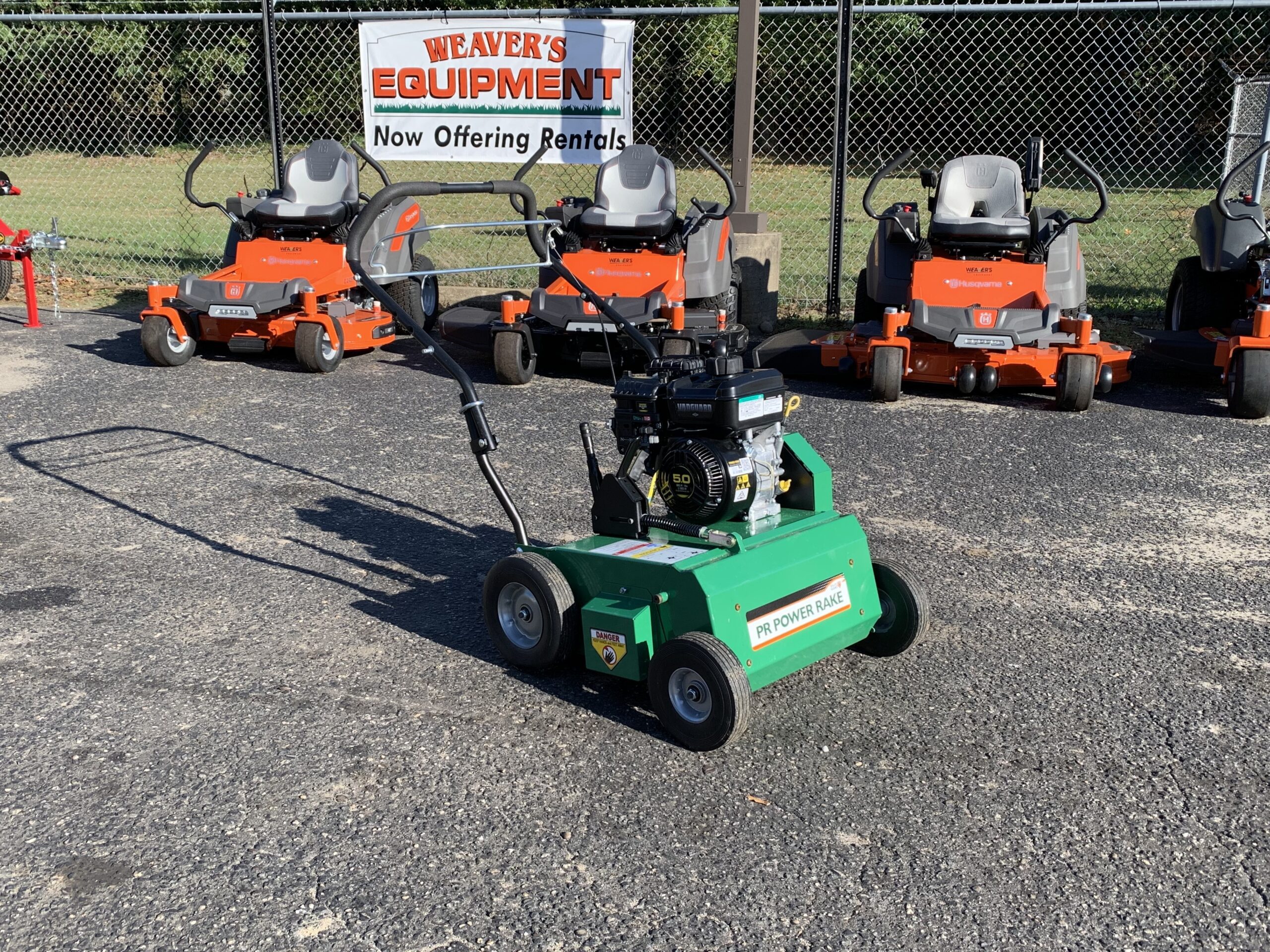
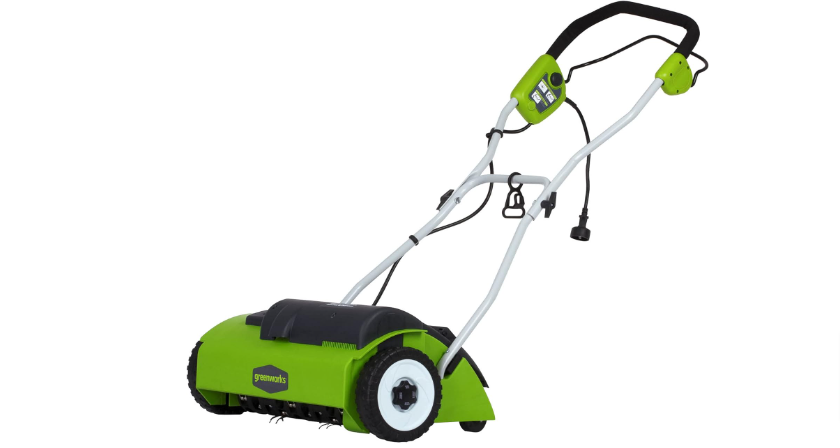
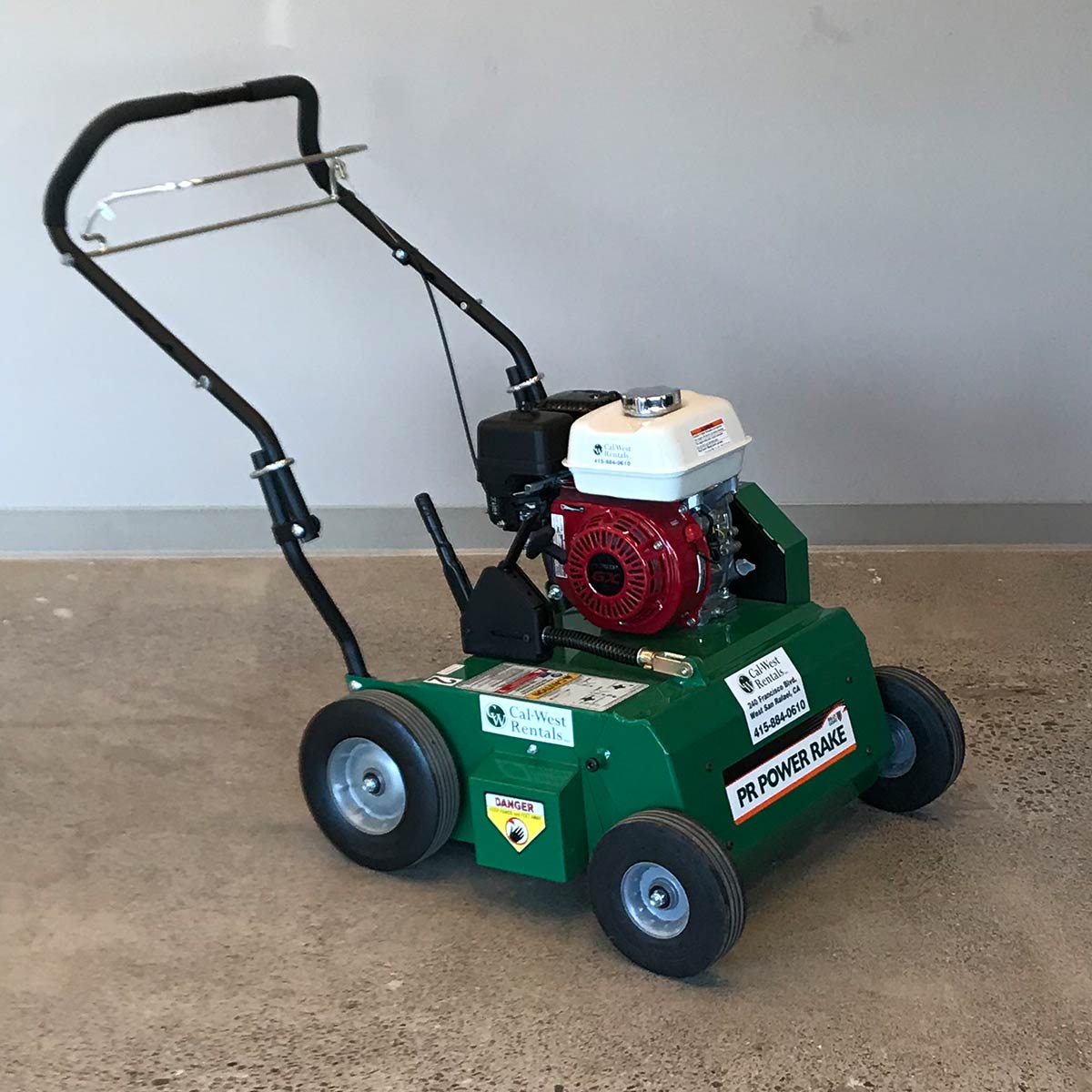
The terms are often used interchangeably, but generally, a dethatcher is a less aggressive machine, often electric or manual, for lighter thatch. A power rake is a more robust, gas-powered machine with stronger flail blades or tines, designed for heavier thatch removal from larger areas.
Advanced Equipment Strategies
What type of dethatcher is best for Bermuda grass?
For Bermuda grass, which can build up significant thatch, a vertical cutter (verticutter) is often recommended. Its sharp, vertical blades slice into the thatch, effectively removing it without excessively damaging the deep-rooted Bermuda grass. Timing your dethatching to its active growth is also key.
Myth vs Reality: Is a walk-behind dethatcher sufficient for a large property?
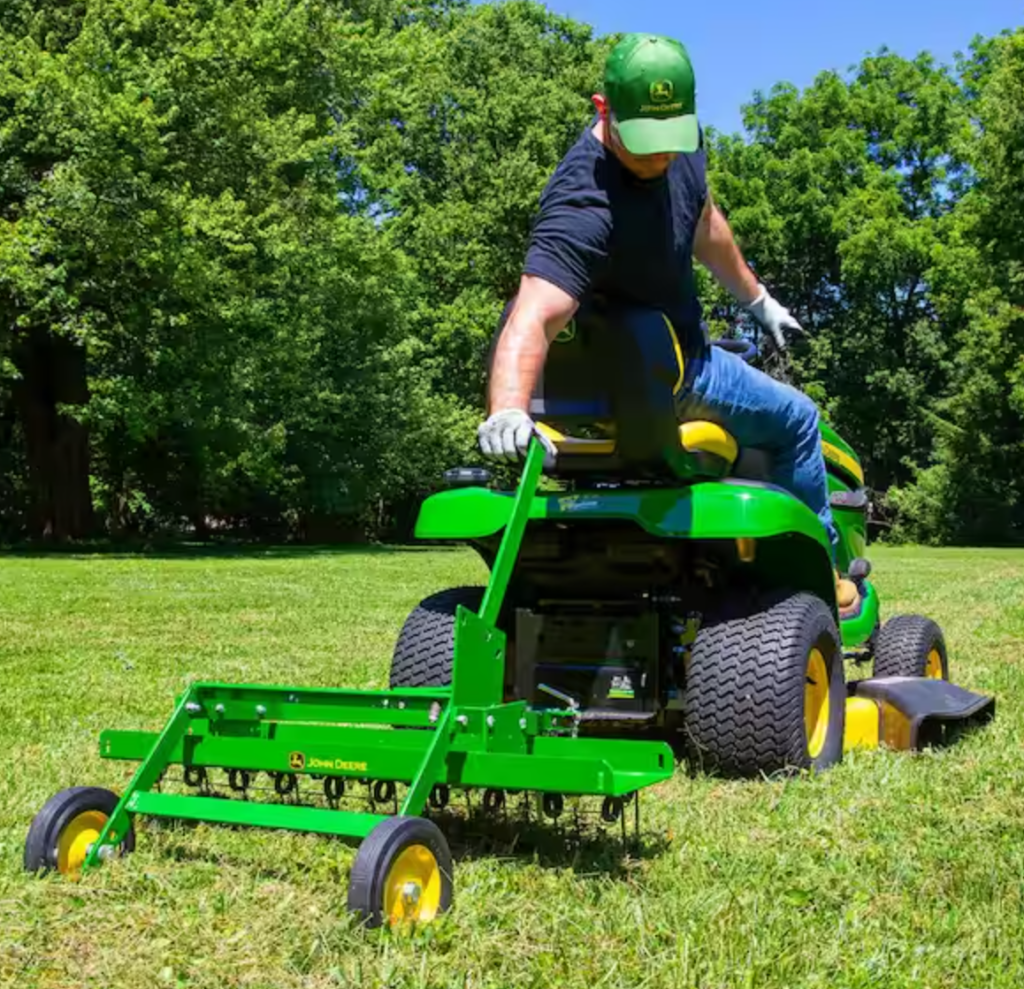
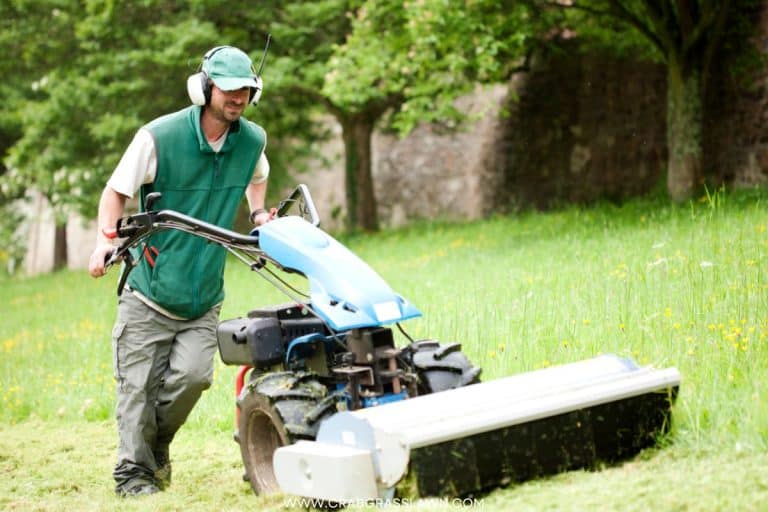
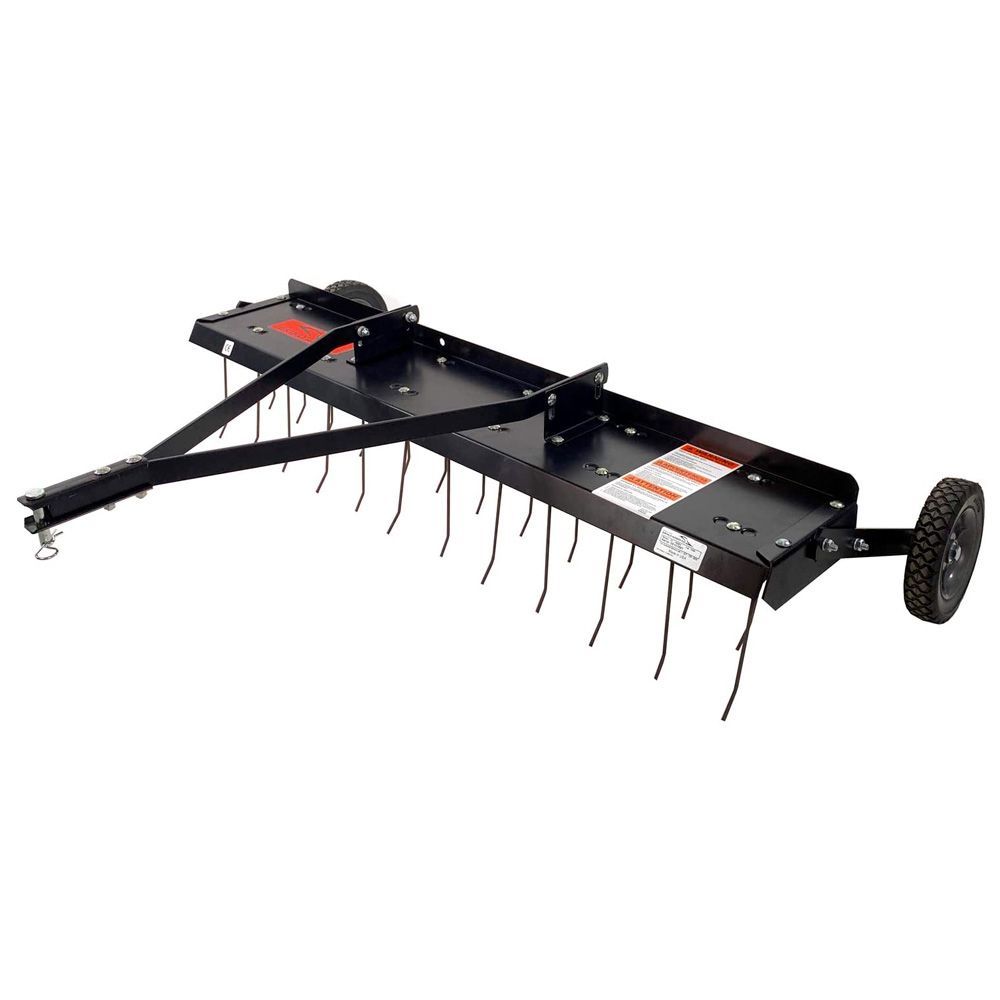
Reality: While a walk-behind dethatcher *can* technically cover a large property, it can be incredibly time-consuming and physically demanding. For properties over half an acre, consider a tow-behind dethatcher for a riding mower or hiring a professional service to save time and effort. It is simply more efficient.
Are electric dethatchers powerful enough for tough thatch?
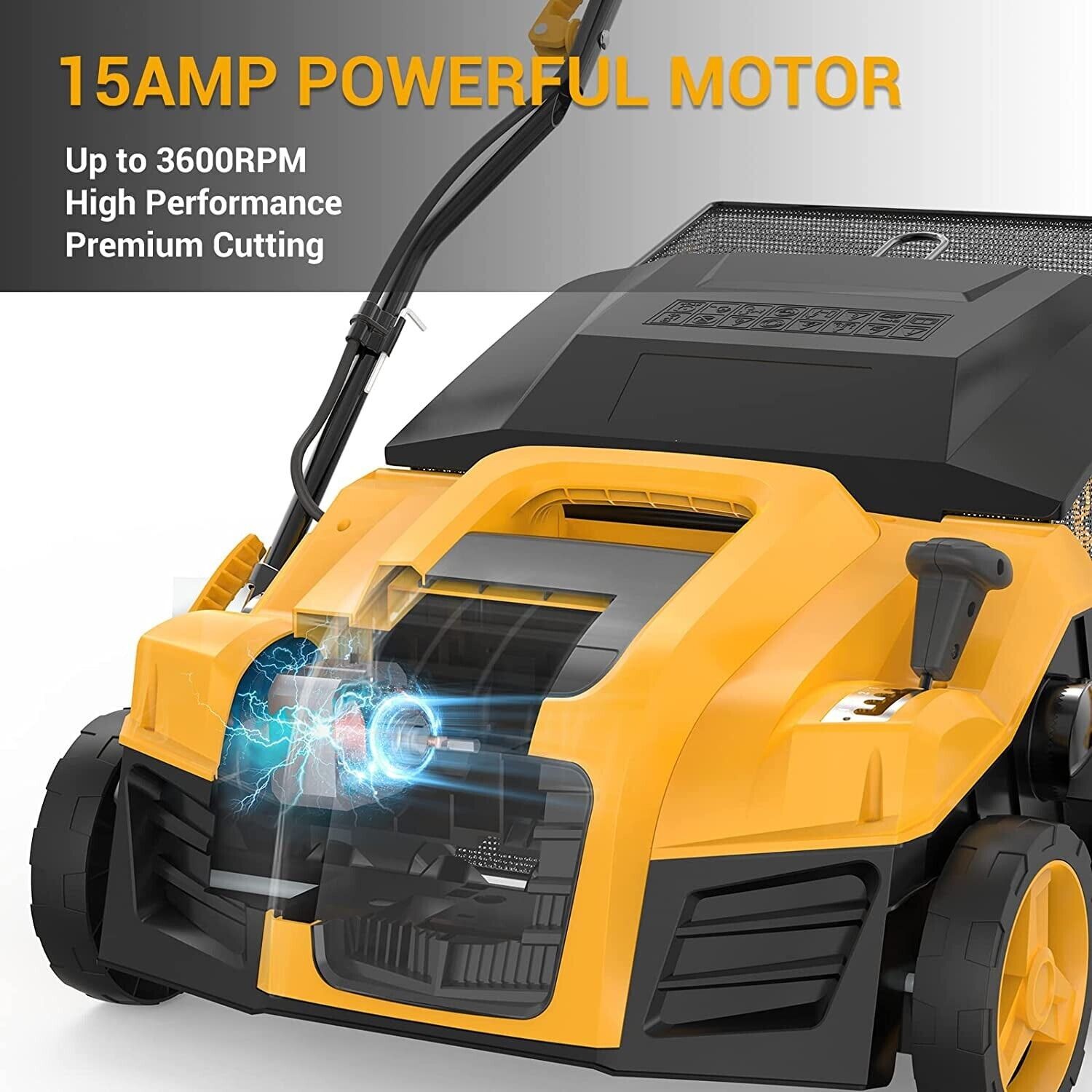
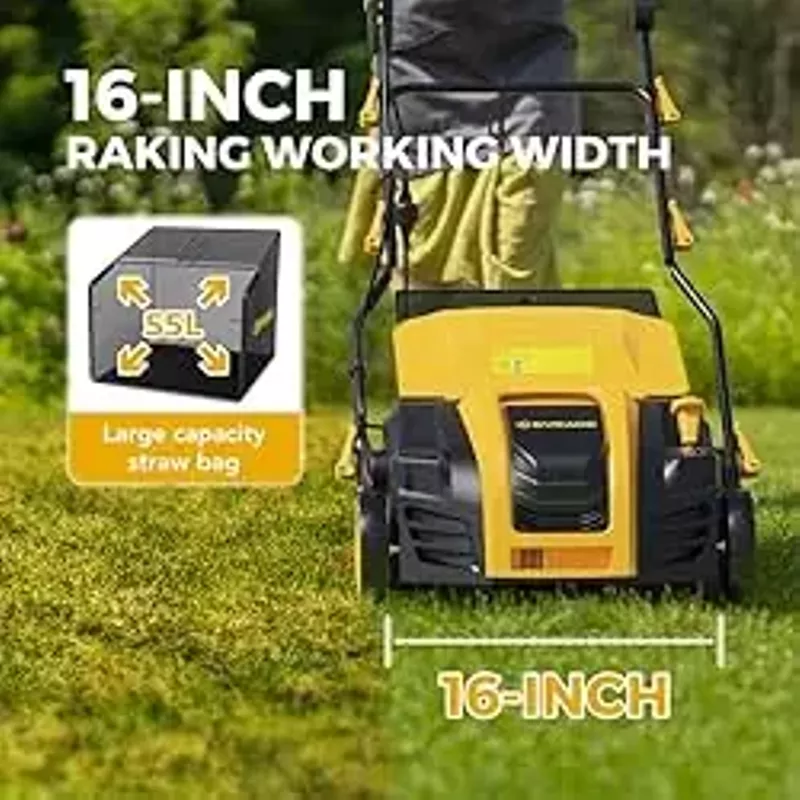
For moderately heavy thatch or smaller to medium-sized lawns, modern electric dethatchers are surprisingly powerful and effective. However, for extremely dense, compacted thatch or very large areas, a gas-powered power rake or verticutter will likely provide superior results and efficiency due to their robust engines.
Troubleshooting Common Thatch Issues
Why is my dethatcher not picking up much thatch?
If your dethatcher isn't picking up much thatch, first check the blade depth setting. It might be set too high. Ensure the lawn is mowed short enough and slightly moist. Worn or dull blades can also be ineffective. Lastly, confirm your lawn actually has a significant thatch layer to begin with; sometimes it's just matted grass.
Myth vs Reality: Does dethatching kill earthworms?
Reality: While dethatching can disturb the soil and potentially harm a small number of earthworms near the surface, it generally does not decimate the earthworm population. In fact, improving soil aeration and nutrient penetration through dethatching can create a healthier environment that ultimately benefits earthworm activity, supporting a thriving ecosystem. They often retreat deeper into the soil.
What should I do if my dethatcher gets clogged frequently?
Frequent clogging usually indicates the thatch is either too thick or the lawn is too wet. Try raising the blade depth slightly, or wait for the lawn to dry out a bit. Ensure you've mowed the grass short before dethatching. Stop the machine, turn it off, and safely clear the clogs to prevent damage. Clearing debris beforehand helps.
Long-Term Lawn Health
How often should I dethatch my lawn for optimal health?
Most lawns benefit from dethatching once every one to three years, depending on grass type and thatch accumulation. Cool-season grasses might need it less often, while warm-season grasses tend to build thatch faster. Over-dethatching can stress your lawn, so observe its health. It is a vital but occasional task.
Myth vs Reality: Does dethatching damage healthy grass?
Reality: While dethatching can make your lawn look temporarily ragged, especially with aggressive settings, it typically does not permanently damage healthy grass if done correctly and at the right time. The key is proper timing, appropriate blade depth, and immediate post-dethatching care. It actually promotes stronger, healthier growth in the long run.
What are the benefits of dethatching before overseeding?
Dethatching before overseeding is highly beneficial because it removes the barrier of thatch, allowing new grass seeds direct contact with the soil. This significantly improves germination rates and seedling establishment, as seeds can access water, nutrients, and sunlight more effectively. It creates an ideal environment for new growth.
Myth vs Reality
Myth vs Reality: Dethatching is the same as aerating.
Reality: Dethatching and aerating are distinct but complementary processes. Dethatching removes the surface layer of thatch, while aeration creates small holes in the soil to relieve compaction and allow air, water, and nutrients to penetrate deeper. Both improve lawn health, but they address different issues. Often done together for best results.
Myth vs Reality: You should dethatch every year.
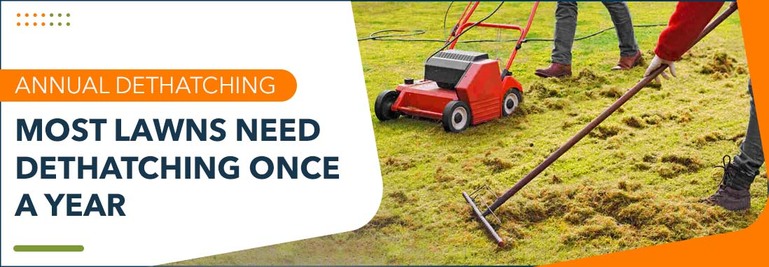
Reality: While some lawns with aggressive grass types or heavy fertilization might benefit from annual dethatching, most lawns only require it every 1-3 years. Dethatching too frequently can stress the turf unnecessarily. Assess your thatch layer's thickness before deciding if annual dethatching is truly needed for your specific lawn conditions.
Still have questions?
Explore our other guides on 'Best Fertilizers for Post-Dethatching' and 'Choosing the Right Lawn Aerator' for more expert tips!
Hey there fellow lawn enthusiasts and aspiring yard architects! I get why this question is on everyone's mind: where can I rent a dethatcher in 2026? It's a critical piece of equipment for anyone serious about a healthy lawn. Think of dethatching your lawn like optimizing a complex system. You wouldn't let a gaming rig run with clogged fans, right? Your lawn also needs proper airflow and nutrient access. Today, we're diving deep into the options, making sure you're equipped with the best knowledge. We're talking about getting that perfect lush green, removing all that old, dead organic material. We will cover everything from where to find these machines to making sure your rental experience is smooth and successful. Let us make your lawn care strategy as robust as any high-performance build. You've got this!
Beginner / Core Concepts
1. Q: What exactly is dethatching and why is it so important for my lawn?
A: Dethatching is essentially like giving your lawn a deep cleanse. It involves removing the layer of dead grass stems, roots, and other organic matter that accumulates between the soil surface and the green grass blades. This layer, known as thatch, can become quite dense over time. It chokes out your healthy grass. Too much thatch prevents water, nutrients, and air from reaching the soil. This creates a breeding ground for pests and diseases. Dethatching promotes healthier growth and better absorption. Think of it as defragging your hard drive. You are clearing out the junk so everything can run more efficiently. This simple process can significantly improve your lawn's overall vigor and appearance. You'll see a noticeable difference! This also helps your fertilizers and watering efforts truly penetrate the soil. It's a fundamental step for any lawn care enthusiast to consider for optimal health. You wouldn't skip essential updates for your operating system, would you? Your lawn deserves the same proactive care for peak performance. It really helps with disease prevention too. The benefits are long-lasting for a vibrant yard. Try this tomorrow and let me know how it goes.
2. Q: When is the best time of year to dethatch my lawn for maximum benefit?
A: The optimal time to dethatch your lawn usually falls into two key windows: early spring or early fall. For most cool-season grasses, early spring is ideal, right when the grass is actively beginning to grow. This allows the lawn to recover quickly from the process before summer stresses. For warm-season grasses, it's best to wait until late spring or early summer. You want to dethatch when the grass is vigorously growing. Dethatching during extreme heat or drought conditions can severely stress your lawn. It needs time to heal. Avoid doing it in late fall for cool-season grasses. That leaves them vulnerable to winter damage. It's about timing your intervention just right. Consider it a critical system patch, deployed when the system can best integrate it. You need to assess your specific grass type and climate conditions. This ensures minimal stress and maximum recovery. Always check local weather forecasts too. Make sure there are no immediate heatwaves or freezes. This strategic timing is key for a resilient turf. You've got this!
3. Q: Are there different types of dethatchers available for rent, and which one should I choose?
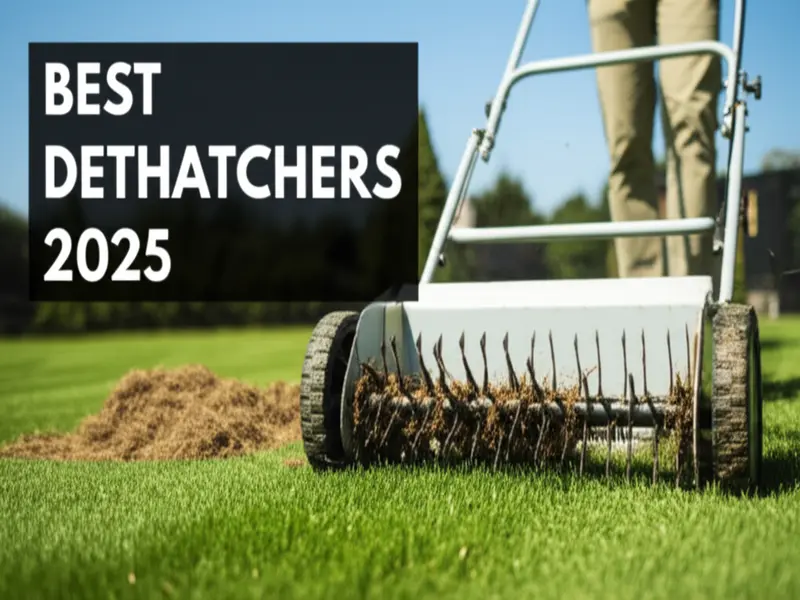
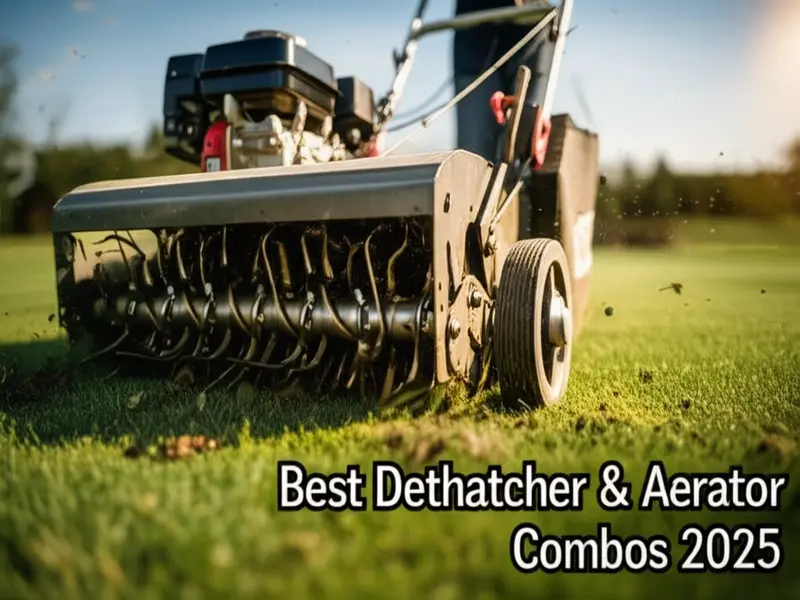
A: Yes, absolutely! You'll primarily encounter two main types of dethatchers when looking to rent: power rakes and vertical cutters, often called verticutters. Power rakes are generally good for lighter thatch issues and smaller to medium-sized lawns. They use spinning flail blades or tines to gently lift and pull thatch from the surface. Verticutters are more aggressive. They have vertical blades that slice into the thatch layer, making them ideal for heavier thatch accumulation. They are perfect for larger lawns or more severe problems. The choice depends on your lawn's specific needs and the amount of thatch present. If you're unsure, a quick visual inspection of your lawn will help. A thick, spongy layer indicates a need for a verticutter. This is like choosing between a quick software update or a full system reinstallation. You need to match the tool to the task for the best outcome. Consider your lawn's health status carefully. Consult with rental professionals if you're still undecided. They often have great local insights too. Make sure to get the right tool for optimal results. You’ve got this!
4. Q: How much does it typically cost to rent a dethatcher for a day or a weekend?
A: Rental costs for a dethatcher can vary quite a bit depending on your location, the type of machine, and the rental period. Generally, you can expect to pay anywhere from $50 to $100 for a half-day rental. A full-day rental might range from $70 to $150. Weekend rates, which usually cover Friday afternoon to Monday morning, often fall between $100 and $200. These prices typically apply to standard walk-behind power rakes or verticutters. Larger, more powerful commercial-grade units will naturally be at the higher end. Always factor in potential additional costs. These can include fuel, delivery fees, and damage waiver insurance. Comparing prices from several local rental companies is a smart move. This is like budgeting for your annual software subscriptions. You want to get the best value without compromising on performance. Don't forget to ask about any package deals either. Some places offer discounts if you rent other lawn care equipment simultaneously. Planning your rental carefully can save you some cash. You've got this!
Intermediate / Practical & Production
5. Q: What are the essential safety precautions and operational tips I should know before using a rented dethatcher?
A: This one used to trip me up too, but safety first always! Before you even start that engine, make sure you've read the operator's manual thoroughly. Always wear appropriate personal protective equipment. This includes sturdy work boots, eye protection, hearing protection, and gloves. Dethatchers have fast-moving blades or tines that can throw debris. Clear your lawn of any rocks, sticks, or other objects that could become projectiles. Before starting, check all guards and safety features. Ensure they are properly in place and functioning. When operating, maintain a firm grip on the handles. Work in a consistent pattern, slightly overlapping your passes. Never leave the machine running unattended. Always turn off the engine and wait for all moving parts to stop before clearing any clogs or making adjustments. Treat it with respect, like a high-end server. Mishandling it can lead to serious issues for both you and the equipment. It's about minimizing risks and maximizing efficiency. A little preparation goes a long way. Always be aware of your surroundings as well. This attention to detail will keep you safe and your dethatching project on track. You've got this!
6. Q: How can I prepare my lawn effectively to ensure the best dethatching results and prevent damage?
A: Proper lawn preparation is absolutely crucial for stellar dethatching outcomes. First, mow your lawn to about half its normal height a few days before you plan to dethatch. This allows the dethatcher tines to reach the thatch layer more effectively without getting tangled in long grass. Next, ensure your lawn is adequately watered, but not waterlogged. A slightly moist soil allows the dethatcher blades to penetrate and pull out thatch more easily. Dry soil makes it harder, and wet soil can cause the machine to gum up. Rake up any loose leaves or debris. This helps prevent clogging the machine. It also ensures a clear path for the dethatcher. Think of it as setting up your environment for an optimal code deployment. You want everything clean and ready. This preparation minimizes stress on your lawn. It also makes your rental time more productive. A well-prepared lawn is a happy lawn, ready for optimal growth. Don't underestimate these preparatory steps. They truly make a difference in the final outcome of your lawn project. You've got this!
7. Q: Where are the most common places people rent dethatchers in 2026, and what are their pros and cons?
A: In 2026, the go-to places for dethatcher rentals remain largely consistent, but with enhanced online booking. Large home improvement stores like Home Depot and Lowe's are popular. Their pros include widespread locations, competitive pricing, and often newer equipment. However, cons can include limited availability during peak seasons and potentially less specialized advice. Local equipment rental centers are another excellent option. Their pros include more personalized service, expert advice, and sometimes more flexible rental terms. A con might be slightly higher pricing or fewer locations. Smaller hardware stores might also offer rentals. Their benefit is convenience for smaller towns. However, their equipment selection might be limited. Online peer-to-peer rental platforms are also gaining traction. Think of it like choosing between a big cloud provider or a specialized local server host. Each has its strengths and weaknesses. Always check online reviews and compare rates before committing. Knowing these options helps you find the perfect fit. You need to consider what's most important to you: convenience, cost, or expertise. You've got this!
8. Q: What should I inspect on a dethatcher before I rent it to ensure it's in good working condition?
A: This is a critical step, much like performing a pre-flight check on a complex system. Before you sign those rental papers, give the dethatcher a thorough once-over. Inspect the tines or blades. Ensure they are sharp, intact, and not excessively worn or bent. Worn blades won't effectively remove thatch. Check the engine oil level and fuel tank. Make sure there's enough to get you started. Examine the tires for proper inflation and any damage. Test all safety features, including the emergency stop switch. Look for any visible damage to the machine's housing or controls. Confirm that the height adjustment mechanism works smoothly. This ensures you can set the correct depth for your lawn. Document any existing damage with the rental staff. This prevents you from being charged for pre-existing issues. A careful inspection saves headaches later. This due diligence ensures you get a reliable piece of equipment. You want to avoid any unexpected 'bugs' in your dethatching process. Take pictures or videos if you can for your records. You've got this!
9. Q: After dethatching, what are the recommended steps for lawn recovery and ongoing health?
A: Your lawn will look a bit rough after dethatching, and that's completely normal! It's like a major system update, needing a reboot and some fine-tuning. The very next step is to rake up all the removed thatch. Leaving it on the lawn can suffocate the grass. Next, it's an excellent time to overseed your lawn. The freshly exposed soil provides an ideal bed for new grass seeds to germinate. This helps fill in any thin spots. Aeration is also highly recommended at this stage. It further improves air and nutrient penetration. Apply a light application of a balanced fertilizer to give your recovering grass a boost. Water your lawn regularly, keeping the top inch or two of soil consistently moist, especially if you've overseeded. Avoid heavy foot traffic on the lawn for a week or two. This period of careful nurturing is vital for a quick and robust recovery. This post-dethatching care is as important as the dethatching itself. It sets the stage for a thicker, healthier lawn for seasons to come. You've got this!
10. Q: Are there any common mistakes people make when renting or using a dethatcher that I should avoid?
A: Oh, absolutely, I see these common 'configuration errors' all the time! One major mistake is dethatching too deeply. This can damage healthy grass roots and bring up too much soil, creating more work. Another common error is not preparing the lawn adequately, like not mowing beforehand or dethatching a very dry lawn. This reduces effectiveness. People also often neglect to clear debris from the lawn, leading to potential machine damage or safety hazards. Not checking the equipment's condition before rental is another big one, leading to frustrating breakdowns. Dethatching at the wrong time of year is a significant misstep, as it stresses the lawn unnecessarily. Finally, skipping the post-dethatching cleanup and care is a huge missed opportunity for robust recovery. It's like patching a system but forgetting to restart it! Avoid these pitfalls by following the preparation and post-care steps. You'll ensure a smooth process. Pay attention to the details, and you'll avoid common headaches. These simple avoidances will lead to much better results. You've got this!
Advanced / Research & Frontier 2026
11. Q: What are the implications of smart home lawn care systems for dethatcher rentals in 2026 and beyond?
A: This is where things get really interesting, stepping into the frontier of lawn care tech! By 2026, smart home lawn care systems are increasingly integrating predictive analytics. These systems leverage AI to monitor lawn health, soil conditions, and weather patterns in real-time. They can accurately predict when thatch buildup will become an issue, sometimes even recommending a specific dethatching window. This level of data-driven insight means renters can time their dethatcher rentals with unparalleled precision. It minimizes unnecessary dethatching and maximizes efficiency. Some advanced systems might even integrate directly with rental apps. They could potentially pre-book a dethatcher when optimal conditions are met. This streamlines the entire process significantly. We're moving towards proactive maintenance rather than reactive problem-solving. It's like having an AI-driven predictive maintenance schedule for your lawn. These systems will inform users exactly when to act. This optimizes both the labor and the resource usage, making your lawn care smarter. This data-informed approach is changing the game. You've got this!
12. Q: How are manufacturers improving dethatcher technology, and what advanced features might I see in rental units by 2026?
A: Manufacturers are constantly innovating, and by 2026, rental dethatchers are seeing some impressive upgrades. We're seeing more battery-powered electric dethatchers with extended run times and quick-charge capabilities. This reduces noise and eliminates emissions, making them more environmentally friendly. Advanced models often feature smart sensors that can gauge thatch density. They automatically adjust blade depth for optimal removal without overseeding damage. Ergonomics are also a big focus. Newer units offer improved vibration dampening and adjustable handles. This makes them more comfortable for operators during longer sessions. Some commercial-grade rental units even incorporate integrated GPS mapping. This helps ensure comprehensive coverage of large areas. The goal is higher efficiency, ease of use, and reduced environmental impact. It's all about making the 'system maintenance' easier and smarter. These advancements mean a better experience for renters. You'll get more effective results with less effort. Look for these next-gen features in your local rental fleet. You've got this!
13. Q: Can rental companies offer specialized dethatching services, or is it purely DIY for rented equipment?
A: While renting equipment is typically a DIY endeavor, some larger rental companies or their affiliated landscaping divisions are beginning to offer specialized dethatching services by 2026. This trend caters to customers who prefer not to operate the machinery themselves. These services provide the convenience of professional dethatching without the commitment of buying equipment. The 'service as a product' model is expanding. This is particularly appealing for homeowners with very large lawns or those with physical limitations. They still desire a professionally maintained yard. You might find rental centers partnering with local landscaping businesses. This creates a one-stop shop for both equipment and service. It provides a more integrated solution for complex lawn care needs. It's like having the option to rent a robust AI model or pay for a fully managed AI solution. You choose based on your time and expertise. This flexibility is a significant benefit. You can decide if you want to be hands-on or just enjoy the results. You've got this!
14. Q: What are the long-term environmental benefits of regular dethatching, considering sustainable lawn care practices in 2026?
A: Regular dethatching plays a significant role in sustainable lawn care practices, with several important environmental benefits by 2026. By removing excess thatch, you drastically improve water penetration into the soil. This reduces runoff and conserves water, a crucial resource. Enhanced air circulation and nutrient absorption mean your lawn can make better use of existing soil nutrients. This potentially reduces the need for excessive chemical fertilizers. A healthier, more vigorous lawn is also more resilient to pests and diseases. This minimizes the reliance on chemical pesticides and fungicides. Furthermore, a dense, well-maintained lawn acts as an effective carbon sink. It contributes to cleaner air by absorbing carbon dioxide. It is a vital component of urban green infrastructure. Think of it as optimizing your ecological footprint. You're creating a robust ecosystem. This sustainable approach benefits both your lawn and the wider environment. It contributes to healthier local ecosystems. Every little bit of thoughtful care makes a difference. You've got this!
15. Q: How will AI-driven diagnostics influence the rental and maintenance of dethatchers in the coming years?
A: This is fascinating territory, truly pushing the boundaries of equipment management! By 2026, we're seeing pilot programs where AI-driven diagnostics are integrated into advanced dethatcher units. These systems monitor engine performance, blade wear, and operational parameters in real-time. They can predict maintenance needs before a failure occurs. This leads to more reliable rental equipment and fewer frustrating breakdowns for users. For rental companies, AI helps optimize maintenance schedules. It ensures machines are always in peak condition. This reduces downtime and extends equipment lifespan. AI can also analyze usage patterns. It provides insights into peak demand periods. This helps rental companies manage their inventory more effectively. This predictive capability is a game-changer. It ensures you get a machine that works flawlessly every time. It's like having an advanced diagnostic tool for every piece of rental equipment. This makes the entire process smoother and more dependable for everyone involved. The future of rental is intelligent and proactive. You've got this!
Quick 2026 Human-Friendly Cheat-Sheet for This Topic
- Always dethatch in early spring or early fall when your grass is actively growing.
- Mow your lawn shorter and ensure it's slightly moist before you start dethatching.
- Choose between a power rake (lighter thatch) or a verticutter (heavier thatch) based on your lawn's needs.
- Inspect the rental dethatcher thoroughly before leaving the store: check blades, engine, and safety features.
- Rake up all the thatch immediately after removal, then consider overseeding and aerating for best recovery.
- Don't dethatch too deep; it's better to make multiple passes at a shallower setting.
- Compare prices and availability at big box stores and local rental centers for the best deal.
Easily locate dethatcher rental services nearby understand rental costs and duration learn about different dethatcher types find tips for optimal lawn dethatching explore rental alternatives
35


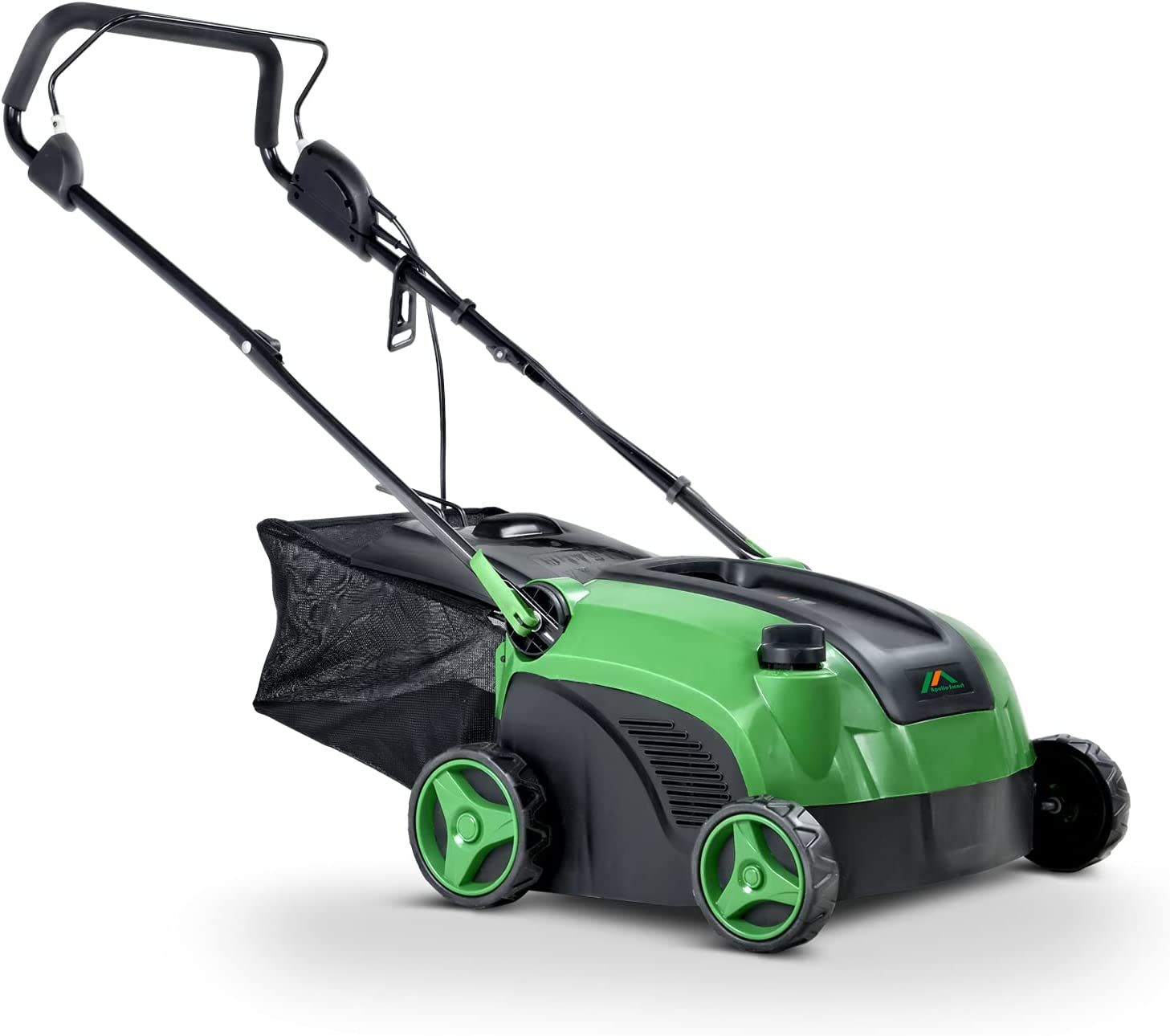

Reserve A Towable Dethatcher At Ward S Rental Center Dethatcher2 . How Much Does Lawn Dethatching Cost 2026 Homeguide Lawn Dethatching With An Electric Dethatcher . Thatchers And Dethatchers For Rent Push And Tow Behind Lawn Thatcher BLUEBIRD PR22H5FA 290 2550 NB1 .webp. 6 Best Electric Dethatchers Reviewed Winter 2026 ApolloSmart 2 In 1 Dethatcher And Scarifier . Dethatcher Rental At Ward S Rental Center In Hamburg Michigan Classen1
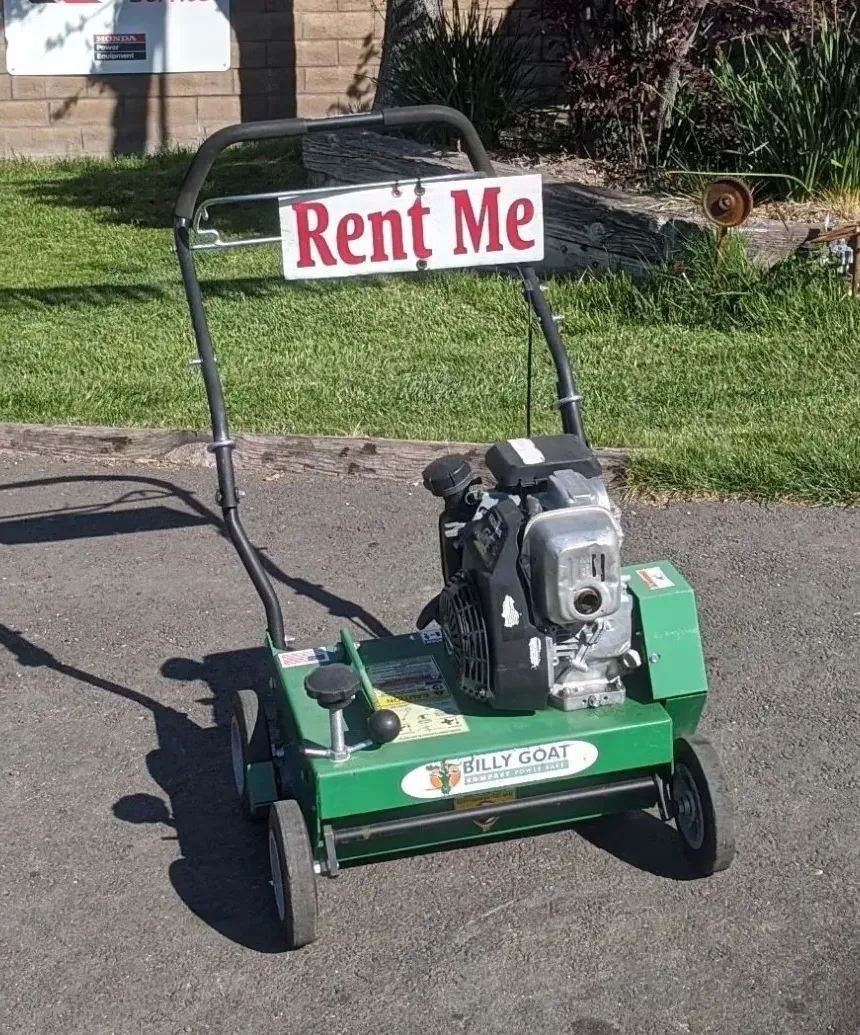

Dethatcher Rental In Atascadero Lawn Tool For Thatch Removal IMG 20200404 100705 D53d16d2 Df9dcc9e 1920w D86044bb 1920w 4b70cd3a 1920w.webp. Lawn Dethatcher Rental Rent A Dethatcher Yesco Scaffolding . Rent The Rock Rocker Dethatcher 16 Width Rentools . Reserve A Towable Dethatcher At Ward S Rental Center Dethatcher 1024x989 . Electric Dethatcher For Rent At Keith Maxey Blog 71X0onM1RhL


Dethatcher Rental S S Supply Ltd Dethatcher1. Electric Dethatcher For Rent At Keith Maxey Blog E95a8e26 4c33 42a6 Bd40 . Reserve A Towable Dethatcher At Ward S Rental Center Dethatcher3 . Electric Dethatcher For Rent At Keith Maxey Blog . Best Lawn Dethatchers 2026 Top Picks Tips Best Lawn


Electric Dethatcher For Rent At Keith Maxey Blog Dethatcher . Best Dethatcher And Aerator Combos 2026 Best Dethatcher And Aerator Combos.webp. 7 Best Dethatchers Of 2026 GreenPal Annual Dethatching Most Lawns Need Dethatching Once A Year . Best Lawn Dethatchers 2026 Top Picks Tips AC SX569 . 7 Best Dethatchers Of 2026 GreenPal


Best Gas Powered Lawn Dethatcher Updated On February 2026 41Zs1IR JIL. SL500 . Top 5 Best Lawn Dethatchers Lawn Aerator 2026 Pixelfy Blog 816VLnT0hiL . 11 Best Dethatchers 2026 Detailed Buying Guide FAQ Greenworks 14 Inch Corded Dethatcher . 11 Best Dethatchers 2026 Detailed Buying Guide FAQ VonHaus 2 In 1 Corded Electric Dethatcher . The 5 Best Lawn Dethatchers Of 2026 Best Lawn Prep Tools 1743786852 Wen Dt1516

The 10 Best Lawn Dethatchers Of 2026 Classified Mom Best Lawn Dethatchers . 7 Best Lawn Dethatchers For 2024 What Is A Dethatcher 1649951397 Greenworks 40v 1649951390 . Beginners Guide To Lawn Dethatching 2026 Dethatcher Mower 768x512 . The 5 Best Lawn Dethatchers Of 2026 Best Lawn Prep Tools 1649950950 Brinly 1649950944 . The Best Lawn Dethatchers Of 2024 1711405879 Screen Shot 2024 03 25 At 6 31 11 Pm

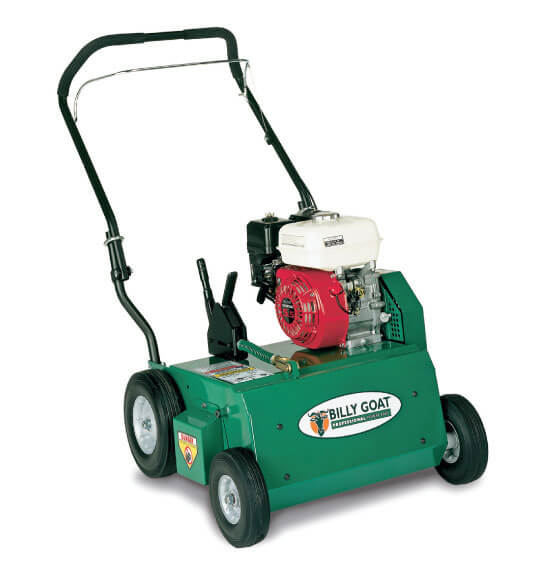
Billy Goat Power Rake Dethatcher For Rent Weaver S Equipment IMG 1138 Scaled . Amazon Com MAXLANDER Electric Dethatcher And Scarifier 13 12Amp 2 AC SL1500 . 5 Best Lawn Dethatcher 2026 Grass Cure Best Lawn Dethatcher . Beginners Guide To Lawn Dethatching 2026 Dethatcher 300x200 . Electric Dethatcher For Rent At Keith Maxey Blog Billy Goat Lawn Dethatcher PR550H 2