GeForce Now has truly transformed the gaming landscape offering unparalleled access to a vast library of PC titles without needing an expensive rig This innovative cloud gaming service allows players to stream their favorite games directly to almost any device you own from laptops to smart TVs. Understanding the different GeForce Now plans is crucial for maximizing your gaming experience and value in 2026. Each tier provides distinct benefits including session length graphics quality and access to premium server hardware. Whether you are a casual gamer or a competitive esports enthusiast selecting the right plan can significantly impact performance. We will explore how to optimize your settings reduce lag and ensure smooth gameplay. This guide will help you navigate the choices and get the most out of your GeForce Now subscription. Discover the best strategies for a seamless and immersive cloud gaming journey.
"geforce now plan FAQ 2026 - 50+ Most Asked Questions Answered (Tips, Trick, Guide, How to, Bugs, Builds, Endgame)"Welcome, gamers, to the ultimate living FAQ for GeForce Now plans in 2026! The world of cloud gaming is evolving at warp speed, and understanding your subscription options is more crucial than ever. With new updates, server enhancements, and an ever-expanding game library, staying informed ensures you get the best possible experience. This guide will tackle the most common and pressing questions, from basic plan differences to advanced optimization tricks. We’ve scoured the forums, dug through patch notes, and consulted the experts to bring you the most current and comprehensive answers. Whether you're a beginner contemplating your first cloud game or a seasoned pro looking to squeeze every last frame out of your Ultimate tier, this resource is designed to empower your gameplay. Let's dive in and demystify the GeForce Now landscape for 2026, helping you conquer lag, maximize your FPS, and truly enjoy gaming from the cloud.
Beginner Questions
What are the different GeForce Now subscription plans available?
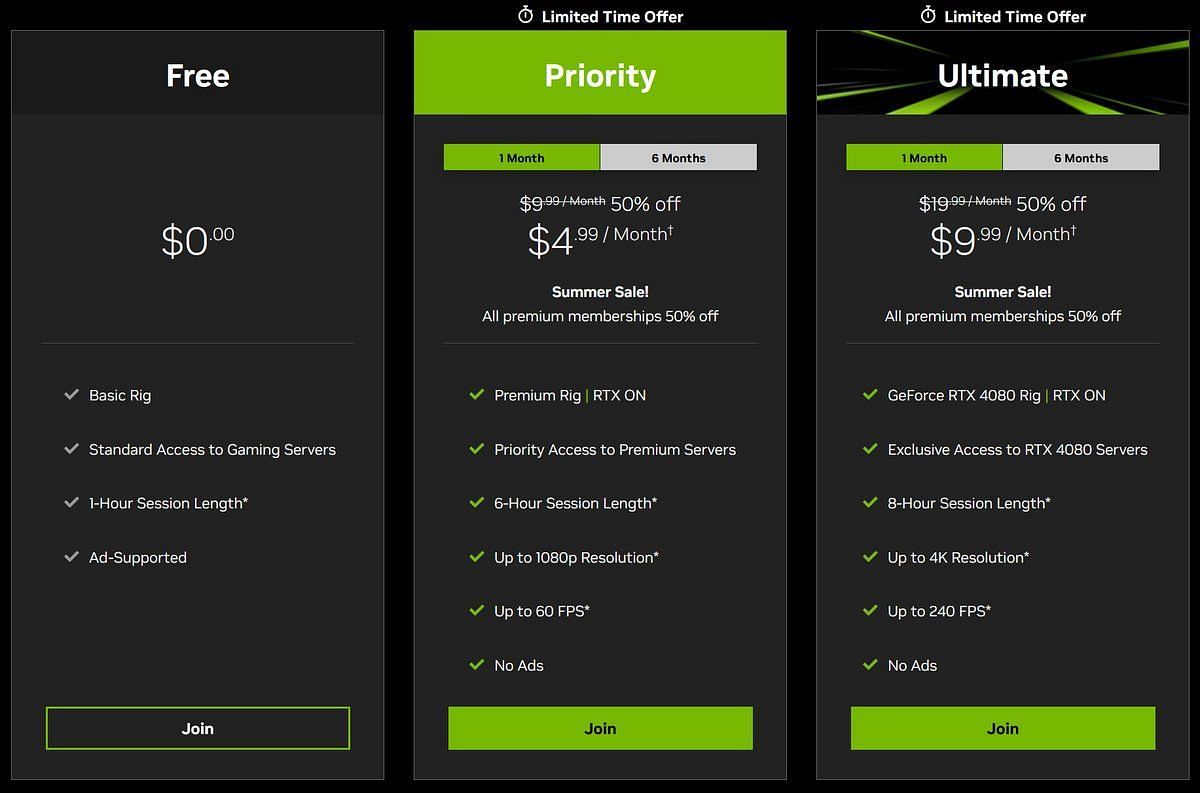
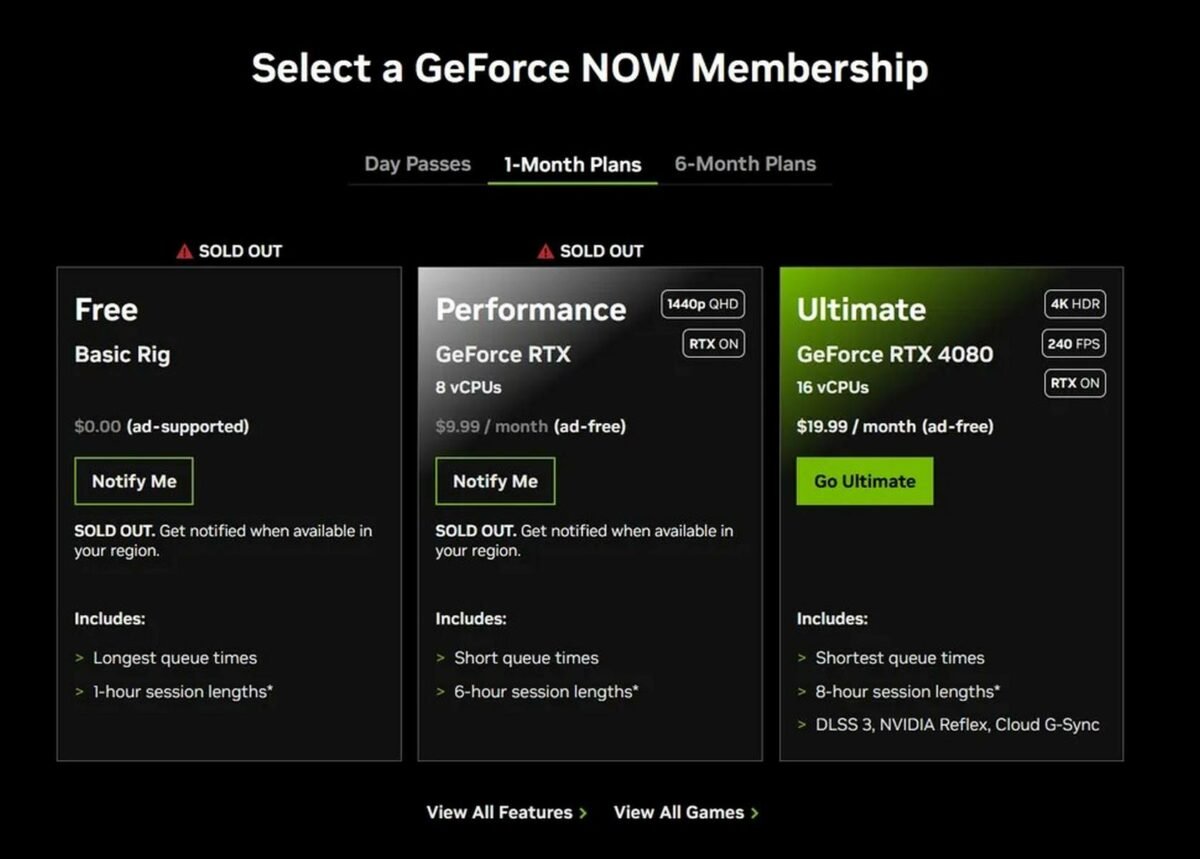
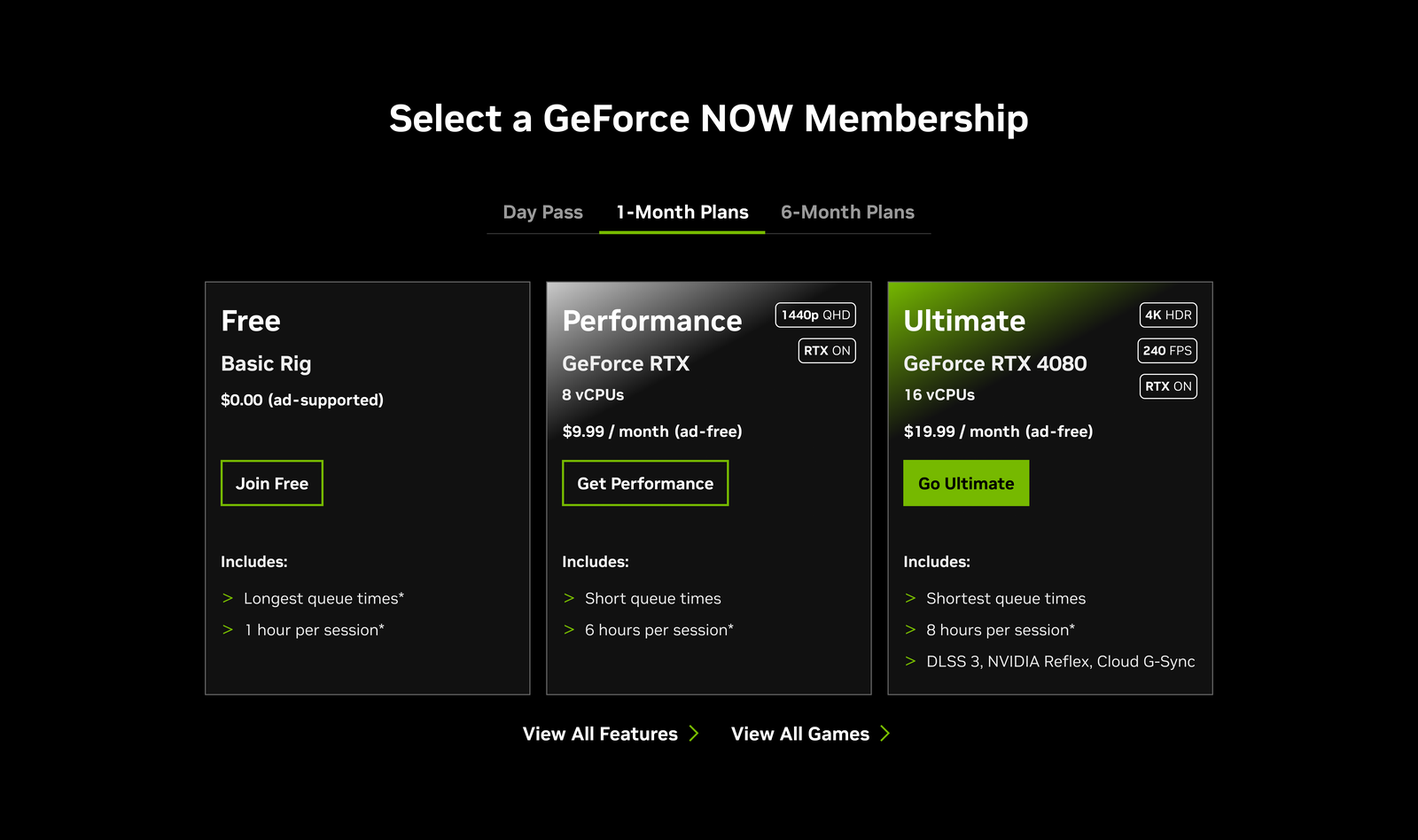
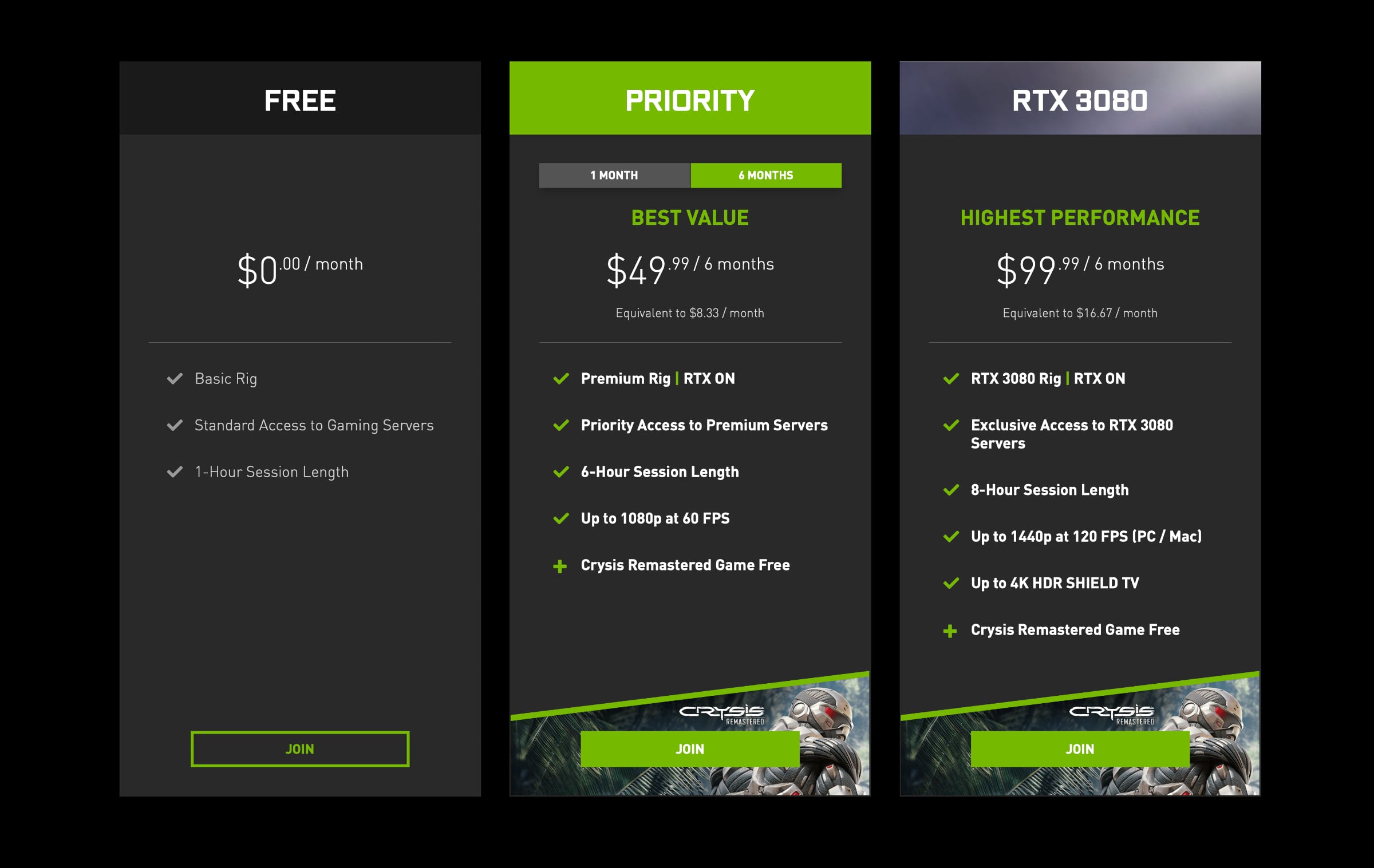
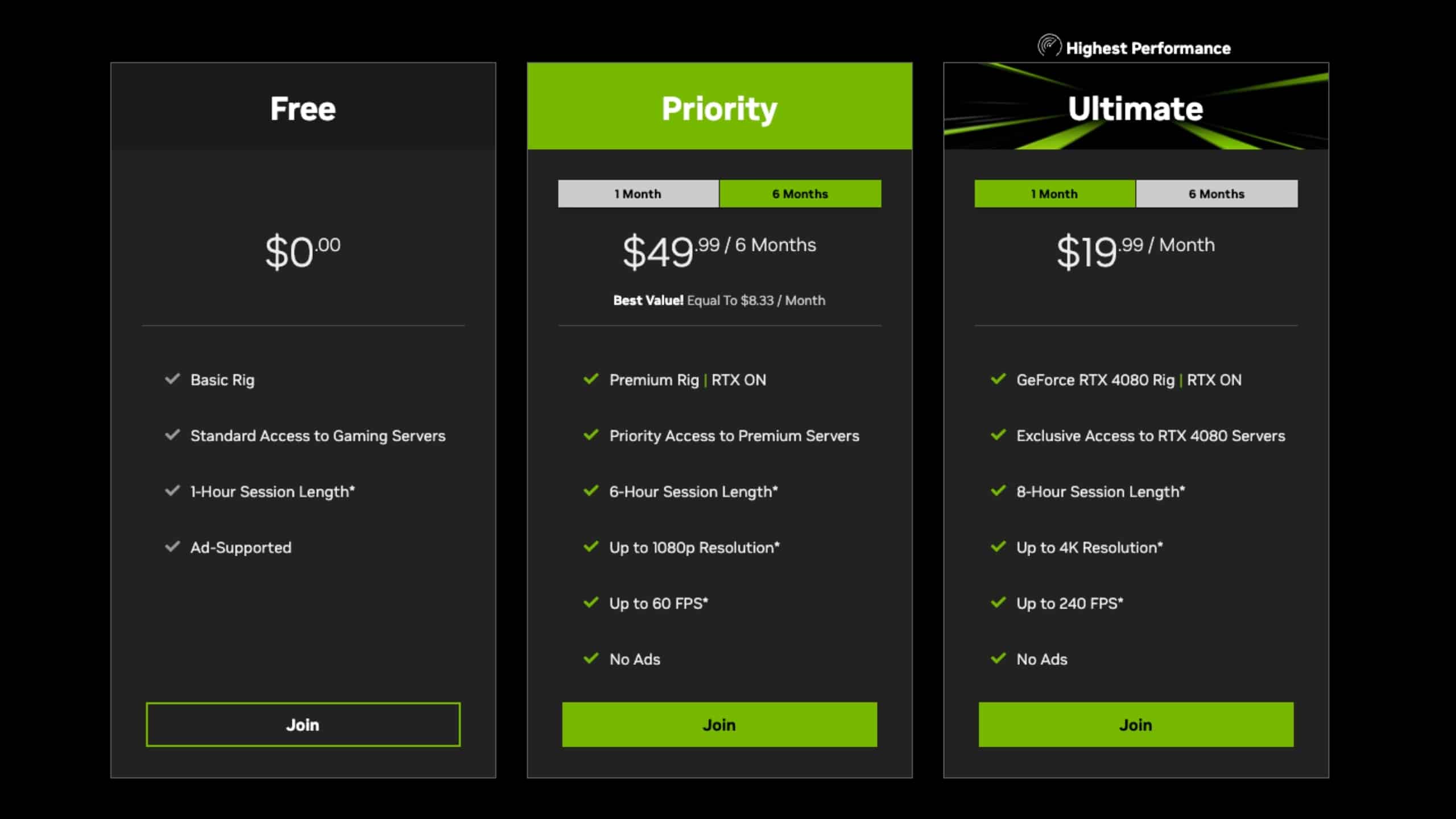
GeForce Now offers three main plans: Free, Priority, and Ultimate. The Free plan provides basic access with session limits and potential queues. Priority offers longer sessions, priority server access, and RTX ON. Ultimate delivers top-tier RTX 4080-class performance for 4K 120 FPS gaming with the lowest latency.
How much does GeForce Now cost in 2026?
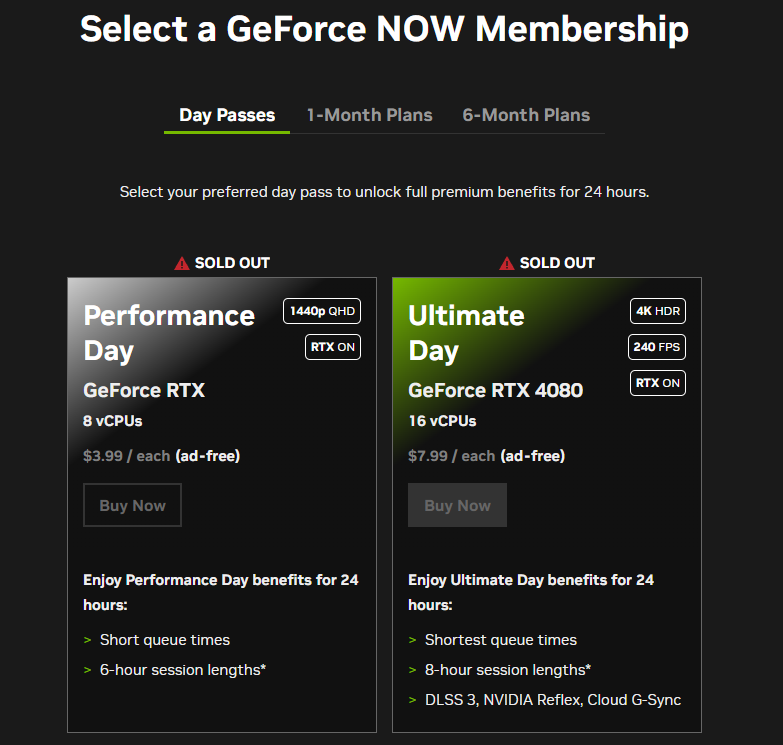
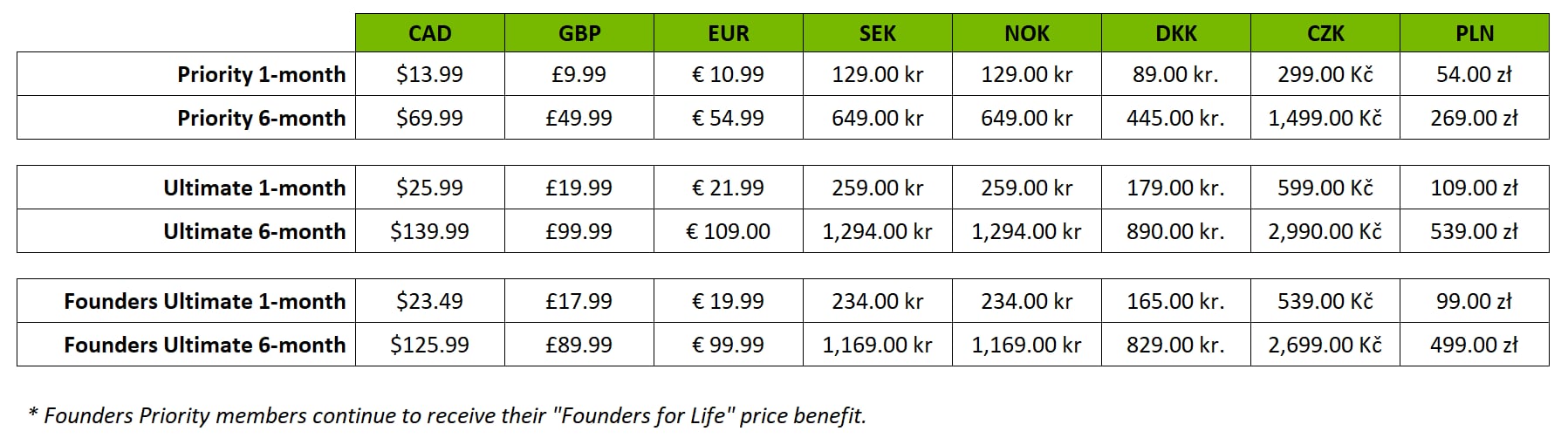
In 2026, the Free plan remains no cost. The Priority plan typically costs around $9.99 to $19.99 per month, while the Ultimate plan, offering the highest performance, ranges from $19.99 to $29.99 monthly. Prices may vary slightly by region or promotional offers.
Do I need to own the games to play them on GeForce Now?
Yes, you must own the games you wish to play on GeForce Now through supported digital storefronts like Steam, Epic Games Store, and GOG. GeForce Now simply provides the high-end PC hardware in the cloud to stream those games to your device.
Can I play GeForce Now on my smart TV or mobile device?
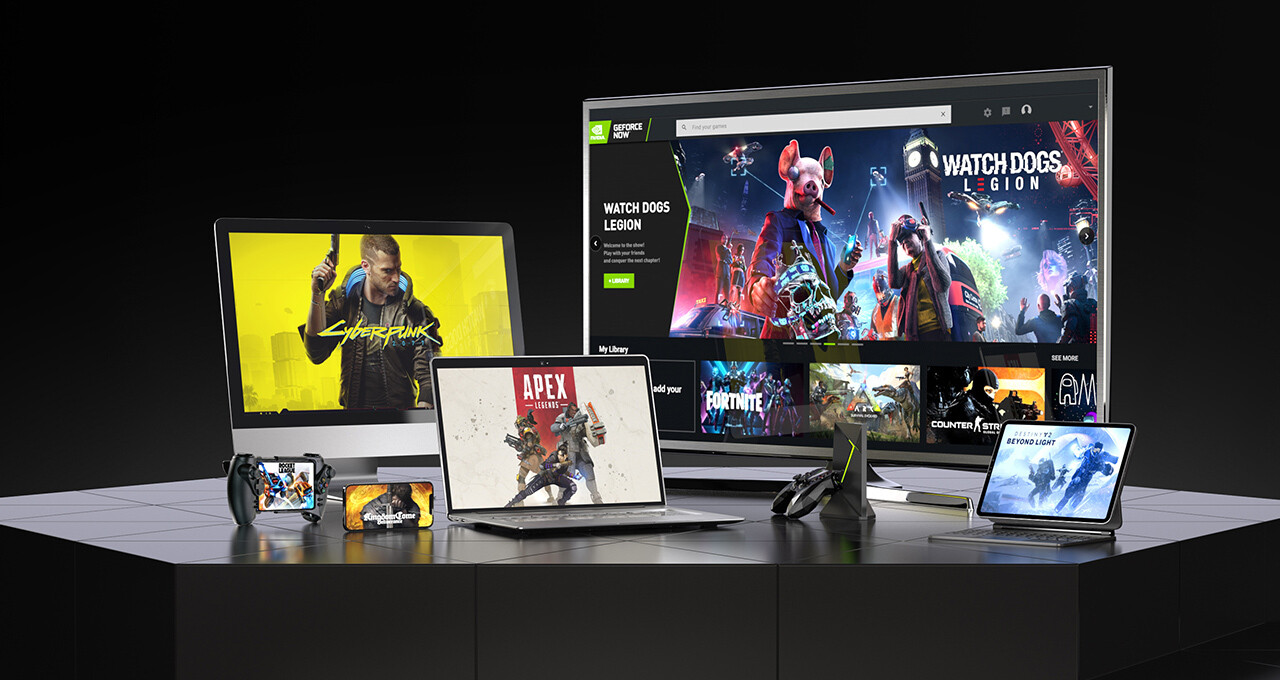
Absolutely! GeForce Now supports a wide range of devices, including PCs, Macs, Chromebooks, Android mobile devices, iOS devices via web browser, and various smart TVs. Compatibility often depends on your device's operating system and internet browser capabilities.
Performance & Optimization
How can I reduce lag and stuttering on GeForce Now?
To reduce lag, use an Ethernet cable, select the nearest GFN server, ensure a stable internet connection (at least 50 Mbps recommended), and close background applications. Adjusting stream quality settings within the GFN app to a lower bitrate can also help alleviate stuttering.
What internet speed is recommended for GeForce Now 2026?
For a basic 720p 60 FPS experience, 15 Mbps is the minimum. For 1080p 60 FPS, 30-50 Mbps is recommended. To enjoy 4K 120 FPS on the Ultimate tier, a consistent and stable connection of 75 Mbps or higher is essential for optimal performance.
Does a VPN affect GeForce Now performance?
Myth vs Reality: Using a VPN can significantly increase ping and introduce additional latency, negatively impacting your GeForce Now experience. Reality: VPNs route your internet traffic through an extra server, adding unnecessary hops. It's generally advised to disable your VPN while cloud gaming for the best performance.
How can I optimize in-game settings when streaming on GFN?
Even on powerful GFN servers, adjust in-game settings to match your desired frame rate and resolution. For competitive play, prioritize FPS over graphical details. On lower tiers, reducing settings like shadows and anti-aliasing can lead to a smoother stream without noticeable quality loss.
Multiplayer Issues & Connectivity
Why am I getting disconnected from GeForce Now sessions?
Frequent disconnections often point to an unstable internet connection or strict firewall settings. Check your Wi-Fi signal, consider a wired connection, and ensure your router's firewall isn't blocking GFN traffic. Server maintenance or outages can also cause temporary disconnections, so check GFN's status page.
Can I play multiplayer games with friends who aren't using GeForce Now?
Yes, absolutely. GeForce Now allows you to access your existing game libraries. As long as the game has multiplayer capabilities and is available on GFN, you can join your friends regardless of whether they are playing on a local PC or another cloud service.
Troubleshooting & Fixes
My game looks blurry on GeForce Now, how can I fix it?
Blurriness usually indicates low bandwidth or suboptimal stream quality settings. Increase your internet speed, ensure your GFN app stream quality is set to "Balanced" or "Custom" with a higher bitrate, and check your monitor's native resolution matches the GFN stream output.
What should I do if my game crashes frequently on GFN?
If a specific game crashes, first report it through the GFN app's feedback option. Sometimes it's a game-specific bug on NVIDIA's servers that they need to address. Also, ensure your local device's drivers are updated, as they assist with decoding the stream.
Myth vs Reality: GeForce Now has too much input lag for competitive games.
Myth vs Reality: While some input lag is inherent in cloud streaming, reality for 2026 is that the Ultimate tier provides remarkably low latency, often comparable to mid-to-high-end local PCs. With a fast internet connection and proper settings, competitive play is very viable for many.
Game Library & Compatibility
Will new games automatically be added to GeForce Now's library?
New games are added regularly, but not automatically. NVIDIA works with publishers to onboard games. You can check the official GeForce Now website or app for announcements about newly supported titles. Publishers ultimately decide if their games are available.
Are all my Steam or Epic Games Store games available on GFN?
Myth vs Reality: No, not all games from your owned libraries are available. Reality: NVIDIA needs to acquire streaming rights from each game publisher. While the library is extensive and growing, it's crucial to check if your specific desired games are supported before subscribing.
Myth vs Reality: I need a powerful local GPU for GeForce Now.
Myth vs Reality: This is a common myth. Reality: GeForce Now's core appeal is that you *don't* need a powerful local GPU. Your device only needs to decode the video stream; the heavy rendering is done on NVIDIA's cloud servers. A basic integrated GPU is often sufficient.
Future & Evolution
What new features are expected for GeForce Now in 2026-2027?
Expect continued server upgrades (potentially to RTX 50-series equivalent), further latency reduction technologies, and expanded global data center presence. Deeper AI integration for dynamic quality adjustments and potentially experimental VR streaming support are also on the horizon.
Myth vs Reality: Cloud gaming will replace all local PC gaming by 2030.
Myth vs Reality: This is a bold claim. Reality: While cloud gaming will undoubtedly grow significantly, it's unlikely to fully replace local PC gaming. Many enthusiasts will always prefer the ultimate control and no-latency experience of a local rig, particularly for high-end tasks and modding. It will likely coexist as a powerful alternative.
How does GeForce Now plan to handle the increasing demand for cloud gaming?
NVIDIA is continuously investing in expanding its server infrastructure and increasing capacity globally. They are also implementing intelligent load balancing and queue management systems to ensure equitable access and maintain service quality as user numbers grow.
Still have questions? Check out our other popular guides like "Ultimate GFN Settings for Competitive FPS" or "Troubleshooting GFN Disconnects: A Deep Dive!"What's the real deal with GeForce Now plans in 2026? Are they worth it? Many gamers are asking exactly this. We've all seen the buzz around cloud gaming, promising high-end experiences without a hefty PC investment. NVIDIA's GeForce Now stands out as a serious contender. But with multiple subscription tiers available, choosing the right one feels like navigating a maze. Don't worry, we're here to clear up the confusion. Let's dive into the fascinating world of GFN, exploring each plan and how it might fit your gaming lifestyle. This guide will help you make an informed decision and truly unlock your gaming potential.
GeForce Now has really changed how we think about gaming rigs. You can now play demanding titles on practically any device you own. Imagine streaming Cyberpunk 2077 to your MacBook or even a Chromebook. This service makes that dream a reality for millions of players. But understanding the nuances of each plan is critical to getting the most value. It ensures your hard-earned cash delivers the best possible experience. We're talking about session length, graphics capabilities, and even server priority, which can all vary greatly. The platform continuously updates its offerings, making 2026 an exciting time to jump in or upgrade. New game support is also a constant focus for the platform.
Decoding GeForce Now Plans 2026: What's New?
NVIDIA has been relentless in refining its cloud gaming service. For 2026, the GeForce Now plans reflect a strong commitment to performance and accessibility. They really want to cater to every kind of gamer out there. The core structure still includes Free, Priority, and Ultimate tiers, but enhancements are always in the pipeline. These continuous improvements ensure that cloud gaming remains at the forefront of technological innovation. Many users wonder if these updates truly translate to a better experience. They absolutely do, especially with backend server upgrades. This evolution keeps GeForce Now competitive and fresh for its dedicated user base.
The Free Tier: Your Gateway to Cloud Gaming
The Free tier remains an excellent entry point for curious gamers. It allows you to test the waters without any financial commitment. You get standard access to GeForce Now servers, which can mean waiting times during peak hours. Session lengths are limited, typically to one hour per play session. This tier is perfect for casual gamers or those who want to try out a game before buying it. It truly showcases the potential of streaming games. While limitations exist, it's a fantastic way to experience modern titles. Just be prepared for potential queues, especially in popular regions. It's a great taste of what's possible. Using a Gaming mouse with lower input lag can still make a difference here.
- Standard server access
- 1-hour session limit
- Queue times during peak usage
- Ideal for trying out games and casual play
Priority Tier: Stepping Up Your Game
The Priority plan offers a significant upgrade for dedicated players. This tier provides priority access to premium servers, dramatically reducing queue times. You also get extended session lengths, often up to six hours, which is perfect for longer gaming sessions. The graphics quality sees an improvement, with RTX capabilities enabled for supported games. This means ray tracing and DLSS technology are at your fingertips. It truly elevates the visual fidelity. Many consider this the sweet spot for value and performance. It strikes a great balance for most gaming enthusiasts. Think of it as your solid, reliable daily driver for cloud gaming. Players focusing on RPGs or Strategy games will appreciate the longer sessions.
- Priority server access
- Extended 6-hour session limits
- RTX ON for supported titles
- Faster load times and better graphics
- Excellent for regular gamers wanting a smooth experience
Ultimate Tier: The Apex of Cloud Gaming
The Ultimate tier is where GeForce Now truly flexes its muscles in 2026. This plan grants you exclusive access to NVIDIA's most powerful servers, often equipped with RTX 4080-class performance. We are talking about bleeding-edge graphics and incredibly low latency. Session lengths extend up to eight hours, allowing for marathon gaming sessions without interruption. You'll experience resolutions up to 4K at 120 FPS, or even 240 FPS for competitive titles. This tier is designed for the most demanding gamers and esports professionals. It delivers an experience comparable to a top-tier local gaming PC. If you crave the absolute best, this is your destination. Pro players engaging in FPS or MOBA games will find this indispensable. Settings optimization here is key to hitting those high frame rates.
- Exclusive RTX 4080-class server access
- Up to 8-hour session limits
- 4K resolution at 120 FPS or 240 FPS competitive streaming
- Lowest latency for competitive play
- Unmatched graphical fidelity and performance
Optimizing Your GeForce Now Experience: Tips and Tricks
Even with the best plan, optimization is key to a flawless streaming experience. Your internet connection is the backbone of cloud gaming. A stable, high-speed connection minimizes stuttering fix and reduces lag. Consider using an Ethernet cable instead of Wi-Fi for maximum stability. This simple step can make a huge difference in your Ping. Furthermore, adjusting in-game settings to match your connection speed is crucial. Don't push 4K if your bandwidth struggles; lower resolutions still look great. Many guides recommend tweaking settings within the GFN app itself. Keep your network drivers updated for optimal performance. This proactive approach will help mitigate any FPS drop issues.
- **Internet Connection**: Always use an Ethernet cable for stability.
- **Bandwidth**: Ensure you have at least 50 Mbps for 1080p gaming, more for 4K.
- **Router Settings**: Prioritize gaming traffic using QoS (Quality of Service) settings.
- **GFN App Settings**: Adjust stream quality to balance visuals and performance.
- **In-Game Settings**: Lower graphical settings in-game if you experience lag or FPS drop.
- **Driver Updates**: Keep your local GPU and network drivers current.
Now, let's address some common challenges like Ping and FPS drop. A high ping means more delay between your actions and what you see on screen. This is a nightmare for competitive games like Battle Royale titles. To combat this, choose the nearest GeForce Now server location in the app settings. This reduces the physical distance data travels. If you're seeing an FPS drop, check your local machine's resource usage. Close any unnecessary background applications that might be hogging bandwidth or CPU cycles. Sometimes, a simple restart of your router and device can clear up minor glitches. Don't forget that Stuttering fix often comes down to network consistency. Regular monitoring of your internet speed can catch problems early. A solid connection is your best friend.
Advanced Insights for Pro and Beginner Gamers
For Pro gamers, understanding the subtle nuances of network performance is paramount. Using a Gaming mouse with high polling rate can expose even minor input lag. Monitoring your packet loss is equally important. Even a small percentage of lost packets can lead to noticeable stutters and disconnections. Tools like PingPlotter can help diagnose network issues beyond your immediate connection. For Beginners, focus on getting a stable internet connection first. Don't immediately jump to the Ultimate tier if your home network isn't ready. Start with the Free or Priority plan and gradually optimize. Casual players will find the Priority tier offers immense value without the premium price tag. The key is to match your plan to your actual gaming habits and internet capabilities. This ensures a satisfying and consistent experience for everyone.
Consider the types of games you play too. For fast-paced FPS titles or competitive MOBAs, low latency is critical. The Ultimate tier truly shines here. For single-player RPGs or Indie games, where quick reflexes are less critical, the Priority tier offers excellent visuals and ample session time. Battle Royale games demand both high FPS and low ping for a winning edge. A Mechanical keyboard can also enhance your overall responsiveness. Understanding these distinctions helps you justify the investment in higher tiers. It’s all about tailoring the experience to your specific needs. Don't overspend if you don't need the absolute cutting edge. But don't underspend if you're a competitive fiend.
Common GeForce Now Misconceptions Debunked
Many believe cloud gaming will completely replace local hardware soon. While it's advancing rapidly, 2026 still sees powerful local PCs as a viable option. Another myth is that all lag is due to GeForce Now servers. Often, your local network or ISP is the bottleneck. It's crucial to diagnose your specific issue properly. Some think the Free tier offers an identical experience to paid ones. That's simply not true, as server priority and session length are vastly different. Understanding these realities helps set proper expectations. GeForce Now is a fantastic solution, but it has its unique set of requirements for optimal performance. It's not a magic bullet, but it's pretty close for many scenarios.
The service isn't just for Windows PC users either. GeForce Now is highly versatile, supporting Mac, Android, iOS, and even specific smart TVs. This broad compatibility is one of its biggest strengths. Another common misconception is that you need to repurchase games for GeForce Now. You play games you already own on platforms like Steam, Epic Games Store, and GOG. This "bring your own games" model makes it incredibly user-friendly. Always check the supported game list, however, as not every title is available. The library is constantly expanding, reflecting its growing popularity. This makes it a compelling platform for a diverse range of gamers.
GeForce Now Plan 2026 Q&A with Your AI Engineering Mentor
Hey there, aspiring cloud gaming guru! It’s awesome you’re diving into the nuances of GeForce Now plans. I get why this confuses so many people—it’s like picking the right espresso machine when you just want a good coffee, right? Let's break down these plans, optimize your setup, and make sure you're getting the most out of your cloud gaming experience in 2026. You've got this!
Beginner / Core Concepts
1. **Q:** What exactly is GeForce Now and how do its plans work?**A:** GeForce Now is a cloud gaming service that lets you stream PC games you already own from NVIDIA's powerful servers directly to your device. Think of it like Netflix for games, but you bring the games! The plans—Free, Priority, and Ultimate—determine things like server access priority, session duration, and the graphics power of the virtual PC you're using. You're essentially renting a high-end gaming PC in the cloud. It’s super convenient for playing demanding games on less powerful hardware. You’ve got this, it’s a game-changer!
2. **Q:** I'm new to cloud gaming. Which GeForce Now plan should I start with?
**A:** For beginners, I always suggest starting with the Free tier. It's a fantastic way to test your internet connection and see how cloud gaming feels on your devices without any financial commitment. Yes, you'll have 1-hour sessions and potential queues, but it’s perfect for getting a taste. Once you're comfortable and want longer sessions or better graphics, then consider upgrading to Priority. Don't rush into the Ultimate plan until you're sure about your network stability and gaming habits. Try this tomorrow and let me know how it goes!
3. **Q:** What's the main difference between the Priority and Ultimate plans in 2026?
**A:** The biggest difference in 2026 lies in the raw power and experience. Priority gives you faster access to RTX-enabled servers and longer sessions (up to 6 hours), delivering a great 1080p experience. Ultimate, on the other hand, puts you on top-tier RTX 4080-class servers. This means incredible 4K 120 FPS or even 240 FPS competitive streaming with much lower latency and 8-hour sessions. It’s like comparing a high-end gaming laptop to a monstrous desktop rig. Ultimate is for those craving the absolute best performance. This one used to trip me up too, but it's clearer once you think about raw horsepower.
4. **Q:** Can I play any PC game I own on GeForce Now, regardless of the plan?
**A:** Not *any* game, unfortunately, but a huge and ever-growing library! GeForce Now supports games from platforms like Steam, Epic Games Store, and GOG. However, NVIDIA needs to specifically onboard each game. So, while you own the game, it needs to be available in the GFN library for you to stream it. The plan you choose doesn't affect *which* games are available, but rather *how well* you can play them in terms of graphics and performance. Always check their supported games list before committing to a plan for a specific title. You've got this!
Intermediate / Practical & Production
5. **Q:** How can I reduce input lag and improve my ping on GeForce Now?**A:** Reducing input lag is crucial for a smooth experience, and I get why this is a common concern! First, always use an Ethernet cable instead of Wi-Fi—it's game-changing for stability. Second, select the closest GeForce Now server region to you in the app settings; less physical distance means lower ping. Third, ensure your local network has QoS (Quality of Service) enabled to prioritize gaming traffic. Lastly, close any bandwidth-hogging background applications on your device. Every little bit helps to shave off those milliseconds. Keep experimenting, you'll find what works best for your setup!
6. **Q:** I'm experiencing FPS drops and stuttering on my Priority plan. What should I troubleshoot?
**A:** That's super frustrating, and I've been there! First, verify your internet speed; you ideally need at least 50 Mbps for Priority to perform well. Next, within the GeForce Now app settings, try lowering the streaming quality or resolution slightly. Sometimes your local device struggles with decoding a very high-bitrate stream. Also, check for any background updates or downloads on your home network. A quick router reboot can work wonders, too. Don't forget to ensure your local GPU drivers are up-to-date, as they affect stream decoding. You've got this, troubleshooting is part of the fun!
7. **Q:** Does using a better gaming mouse or mechanical keyboard really make a difference with GeForce Now?
**A:** Absolutely, it does! While GeForce Now handles the heavy lifting in the cloud, your local peripherals are still critical for input accuracy and responsiveness. A high-polling-rate gaming mouse and a low-latency mechanical keyboard ensure that your physical actions are registered and sent to the cloud as quickly as possible. This minimizes perceived input lag, especially in competitive titles like FPS or MOBA games. It won't fix a bad internet connection, but it will ensure your end of the interaction is as precise as possible. It's about optimizing every link in the chain, my friend!
8. **Q:** What are some good settings optimization tips within the GeForce Now app for better performance?
**A:** Great question, this is where you fine-tune things! Go into your GeForce Now app settings and navigate to "Stream Quality." I recommend starting with "Custom" mode. Here, you can manually adjust resolution, frame rate, and bitrate. For a balance of visuals and performance, try setting the bitrate slightly lower than maximum if you experience stuttering. Also, ensure "Adjust for poor network conditions" is enabled for dynamic adjustments. For competitive play, prioritize lower resolution and higher frame rates over graphical fidelity. Play around with it; you've got the power to customize!
9. **Q:** Are there any known issues with specific network drivers or GPU drivers that affect GFN in 2026?
**A:** That's a sharp question, and yes, sometimes specific driver versions can cause hiccups. In 2026, NVIDIA is generally very good at optimizing for the latest drivers. However, occasionally, a brand-new GPU or network driver update might introduce a temporary bug that affects streaming performance. If you suddenly experience issues after a driver update, it's worth checking online forums or NVIDIA's support page for similar reports. Rolling back to a previous stable driver version can sometimes be a temporary fix. It's rare, but it happens. Keep an eye on community discussions; they're often the first to spot these things.
10. **Q:** How do I best use GeForce Now for playing competitive ranked games like CS2 or League of Legends?
**A:** For competitive ranked play, especially in 2026, the Ultimate plan is almost non-negotiable. Its RTX 4080-class servers and 240 FPS streaming capability minimize latency. Beyond the plan, ensure your internet connection is flawless: wired Ethernet is mandatory. Use a high refresh rate monitor (144Hz+) to fully utilize the higher frame rates. In-game, set graphics to competitive low settings for maximum FPS, even if GFN can handle more. Every millisecond counts in ranked, so optimize everything from your network to your mouse polling rate. You've got this, go climb those ranks!
Advanced / Research & Frontier 2026
11. **Q:** What kind of advancements are expected for GeForce Now plans beyond 2026, perhaps into 2027-2028?**A:** That's peering into the crystal ball, and it's exciting! Beyond 2026, we're likely to see even more powerful server upgrades, potentially moving towards RTX 50-series equivalent performance for Ultimate tiers. Expect further reductions in latency through new network protocols and potentially even local edge computing. I also anticipate deeper integration with AI-powered upscaling techniques beyond DLSS, perhaps real-time content generation to enhance game worlds dynamically. VR cloud streaming is another frontier that NVIDIA is certainly exploring. The future of cloud gaming is incredibly bright and fast-moving. Keep an eye on those GTC keynotes!
12. **Q:** How does GeForce Now handle game updates and client-side modifications (mods) for games in 2026?
**A:** For game updates, it's generally seamless. NVIDIA manages the game installations on their servers, so when a patch drops, they handle the update. You just launch the game, and it's usually the latest version. Client-side mods are trickier. While some games allow basic workshop mods through Steam, directly installing complex mods (like those requiring external mod managers) isn't typically supported on GeForce Now's virtual machines. The ephemeral nature of the cloud instance means any local changes are usually lost. Always check the official GFN forums for specific game mod support; some popular ones might have workarounds. It's a bit of a frontier challenge.
13. **Q:** What are the security implications of using a cloud gaming service like GeForce Now compared to local gaming?
**A:** This is a super important question! From a personal data perspective, using GeForce Now means your game saves and personal game library data are still managed by the respective game launchers (Steam, Epic, etc.), not directly by GFN itself. NVIDIA's infrastructure is highly secure, designed to protect the integrity of their servers and your gaming sessions. However, like any online service, you're dependent on their security measures. Local gaming gives you full control, but also full responsibility for your system's security. It's a trade-off: convenience and powerful remote hardware vs. complete local control. Always use strong passwords and 2FA where available!
14. **Q:** Can developers specifically optimize their games for GeForce Now, and how does that impact performance on different plans?
**A:** Yes, absolutely! Developers can definitely optimize their games for cloud streaming. While NVIDIA handles the underlying server hardware, game developers can work with NVIDIA to ensure their titles run optimally on GFN's specific virtualized environment. This might involve tweaks to rendering pipelines, network code, or even specific in-game settings profiles. Such optimizations primarily enhance the experience across all paid tiers (Priority and Ultimate) by ensuring stable frame rates and lower latency. It means a smoother, more responsive game, especially benefiting the Ultimate plan which can push higher resolutions and frame rates. It's a collaborative effort to deliver the best possible experience.
15. **Q:** What is NVIDIA's strategy for expanding GeForce Now's global reach and server capacity in coming years?
**A:** NVIDIA's strategy for global expansion is multifaceted and aggressive. They're continuously building out new data centers in untapped regions, often partnering with local telecom companies or internet service providers to improve regional latency. We're seeing more GFN Alliance partners emerge, which helps distribute the load and broaden access. Expect continued investment in state-of-the-art GPU server racks. Their focus isn't just on raw numbers but also on strategic placement to minimize ping for as many users as possible. This robust infrastructure is key to sustaining high-quality streaming as the user base grows. They're thinking big for the future of cloud gaming!
Quick 2026 Human-Friendly Cheat-Sheet for This Topic
- Start Free: Always try the Free tier first to test your connection and general cloud gaming feel.- Go Wired: An Ethernet cable is your best friend for stable, low-latency gaming—ditch Wi-Fi for serious sessions!
- Match Your Plan: Don't overspend; Priority is great for most, Ultimate for competitive pros.
- Check Server Location: Pick the GFN server closest to you in settings for the lowest ping.
- Tweak In-App Settings: Use custom stream quality to balance visuals and performance for your connection.
- Close Background Apps: Free up your local network and CPU by closing unnecessary programs.
- Update Drivers: Keep your local network and GPU drivers current for smooth stream decoding.
GeForce Now offers various subscription tiers catering to different gaming needs from free access to premium RTX 4080 experiences. Users can choose plans based on desired session length graphics quality and server priority. Optimizing your internet connection and in-game settings is crucial for the best cloud gaming performance. The service continuously evolves with new features and game library expansions. Understanding plan benefits helps maximize value.
35

GeForce NOW Limite De 100 Horas Por M S Em 2026 Veja Os Detalhes Aqui GeForce Now . GeForce Now Why Your Unlimited Gaming Ends In January 2026 Featured Geforce Now 100 Hours Limit 2026 Plans Details Time Limit.webp. GeForce Now Why Your Unlimited Gaming Ends In January 2026 Showcase Geforce Now 100 Hours Limit 2026 Plans Details Time Limit.webp. Nvidia Pushes GeForce NOW Cloud Gaming S India Launch To Q1 2026 1763967115 1395 . Tested Nvidia S GeForce Now Just Breathed New Life Into My Steam Deck Gfn Ces 2025 Gfna Map Social Post 2048x1024 1

GeForce NOW At CES Linux Amazon Fire TV NVIDIA Blog GeForce NOW CES KV 1280x640 . NVIDIA CES 2026 GeForce On DLSS 4 5 RTX G SYNC Media. Ubat 2026 GeForce NOW A Eklenecek Yeni Oyunlar A Kland Webtekno 1200xauto . NVIDIA GeForce NOW India Launch Details Outlook Respawn Image 1200x630 2025 11 . Nvidia GeForce Now Discounted Prices Explained Which Tier Should You Get 4f795 1920

GeForce Now Memberships Sell Out As Nvidia Can T Keep Up With Demand GeForce Now One Month Plans 1200x859 . NVIDIA GeForce NOW Mejora Sus Planes De Pago Y Estrena Los Pases Gfn Thursday Performance Membership . GeForce NOW India Q1 2026 Nvidia India . NVIDIA GeForce Now Introduces 100 Hour Monthly Cap Starting January F95046. Geforce Now Geforce Now PKLE Large



GeForce Now Cloud Gaming What You Need To Know 2025 Geforce Now Costs Plans . NVIDIA Mostrar Anuncios Para El Plan Gratuito De GeForce Now GEFORCE NOW AD HERO 1200x624 . GeForce Now Launches For Quest 3 Pico Apple Vision Pro Screenshot 2025 01 22 145751 1 . NVIDIA GeForce NOW Everything You Need To Know. All Games Coming To GeForce NOW In January 2026 Geforce Now January Update



Membership Nvidia Geforce Now Membership Incredible Best Sale GFN0000 Campaign New Pricing 1 1024x576 . NVIDIA Doubles GeForce NOW Pricing With New Priority Membership Plan . Geforce Now El Servicio Se Ampl A En Latinoam Rica Y Presenta Nuevos Geforce Now Planes 6 Meses Argentina .ar 768x473 . Mi Cuenta Plan GeForce NOW Powered By DIGEVO GfnPreview . Most GeForce Now Tiers Are Currently Sold Out Nvidia

GeForce Now LG . How To Upgrade Your NVIDIA GeForce NOW Plan GeForce NOW Upgrade Plan 4. GeForce NOW Streamed 250M Hours In 2023 Shows Just How Small Cloud Gfn Eoy Gamewall Social 2048x1024 2 . So S Nh Kh C Bi T Gi A Geforce Now Premium V Geforce PMGLFP Nvidia GeForce Now Sign At The Companys Booth At CES 2023 1 . GeForce Now Prices 2



GeForce NOW Wprowadza Abonament Performance Zmiany W Us Udze Dla Graczy Geforce Now Plany . Microsoft CEO Nadella Defines AI Bubble Risk At WEF Davos 2026 BW Nvidia GeForceNow Original Image 5.webp. How To Use GeForce NOW In New Zealand 2026 Guide Geforce Now Pricing Plans . NVIDIA Endurece Las Reglas De GeForce Now A Partir De 2026 Ya No Nvidia Geforce Now 1280x840 . GeForce NOW GeForce NOW NdFuuBUYOhU