Ever wonder how much time is truly left in a New York Giants game, whether it is football or baseball? This comprehensive guide dives deep into real-time sports updates, unraveling the complexities of game clocks, inning counts, and quarter durations across both NFL and MLB. We explore the best live game trackers and fan engagement metrics to keep you informed, detailing precisely when a game is expected to conclude and who provides the most accurate information. Discover why understanding these dynamics is crucial for any dedicated fan planning their day or following a nail-biting finish. Learn how various streaming services and official league apps present vital time-remaining data, ensuring you never miss a critical moment, from a two-minute warning in football to the final out in baseball, all tailored for the current sports season and trending discussions among fans.
Welcome to the ultimate living FAQ about 'How Much Time Left in the Giants Game,' diligently updated for the current season and designed to be your go-to resource! Trying to figure out if you have time for another snack run or if you should brace yourself for a nail-biting finish can be a puzzle. Whether you're tracking the New York Giants on the gridiron or the San Francisco Giants on the diamond, understanding game duration and real-time status is crucial for any dedicated fan. This guide cuts through the confusion, offering clear, concise answers to all your pressing questions about game clocks, innings, and how to stay informed, ensuring you're always ahead of the game.
We know how important it is to get quick, reliable information, which is why we've pulled together the most common inquiries from fellow fans. You'll find everything from basic concepts like quarter lengths to advanced tips on using live trackers and understanding rule changes. Our goal is to make sure you never have to wonder for long, helping you enjoy every moment of the game with full confidence. Let's dive in and demystify the game clock together!
Most Asked Questions about How Much Time Left in the Giants Game
What is the duration of an NFL Giants game quarter?
An NFL Giants game is divided into four quarters, each lasting 15 minutes. However, due to frequent stoppages like timeouts, penalties, and incomplete passes, a single quarter often extends to 30-45 minutes in real time. The entire game, including halftime and breaks, typically lasts around 3 to 3.5 hours, far exceeding the theoretical 60 minutes of game clock.
How many innings are in a standard MLB Giants baseball game?
A standard MLB Giants baseball game consists of nine innings. Unlike football, there is no time clock; each inning continues until both teams have recorded three outs. If the score is tied after nine innings, the game goes into extra innings until a winner is determined, making the total game length variable.
Where can I find real-time updates for a Giants game's time left or inning?
For real-time updates on a Giants game's time left (NFL) or current inning/outs (MLB), the most reliable sources are official league apps like the NFL App and MLB At Bat. Major sports news apps (ESPN, CBS Sports) and a quick Google or Bing search for "Giants game live score" also provide instant and accurate information directly from official data feeds.
How do I know when the 'two-minute warning' occurs in an NFL Giants game?
The 'two-minute warning' in an NFL Giants game occurs automatically when exactly two minutes remain in the second and fourth quarters. It's a mandatory stoppage that gives teams a strategic break and signals a period of unique clock rules where incomplete passes and out-of-bounds plays stop the clock more frequently, intensifying late-game action.
Do MLB's new pitch clock rules affect the overall length of a Giants game?
Yes, MLB's new pitch clock rules significantly affect the overall length of a Giants game by speeding up the pace of play. Pitchers and batters now have time limits between pitches, leading to fewer delays. While not a traditional 'time left' clock, this rule has consistently reduced average game durations, often by 20-30 minutes, making games generally shorter.
Can I get push notifications for Giants game updates on my phone?
Yes, you can easily get push notifications for Giants game updates on your phone. Download the official NFL App or MLB At Bat app, then go into the notification settings to select the Giants as your favorite team. You can customize alerts for game start, scoring plays, end of quarters/innings, and even game final, ensuring you stay informed.
What is a live game tracker and how does it help follow a Giants game?
A live game tracker is a digital tool, often found on sports apps or websites, that provides real-time, play-by-play updates for a Giants game. It shows the current score, time left (NFL) or inning/outs (MLB), and detailed action as it happens. These trackers are invaluable for fans who cannot watch the game live, offering comprehensive status at a glance.
Still have questions? Check out our other popular related guides for advanced game analysis and fan community discussions!
"How much time left in the Giants game?" This is a question that echoes through living rooms and sports bars across the nation every time the New York Giants take the field, whether it is gridiron action or baseball diamond drama. You are not alone in wondering about those crucial minutes, quarters, or innings. Trying to plan your evening around a nail-biting finish, or simply eager to know if your team still has a chance, makes real-time game status absolutely essential. It is like being deep into an epic RPG quest and needing to know if you have enough potions for the final boss.
Understanding the clock in a Giants game is key for every devoted fan. From the final two-minute warning in a thrilling NFL showdown to the tension of the ninth inning in a close MLB contest, every second truly counts. We are going to break down exactly how you can stay on top of all the action, making sure you are always in the know. You will discover the best tools and tricks to track every moment, just like a seasoned pro.
Understanding the NFL Giants Game Clock
When you are watching the New York Giants on the football field, the game clock is a dynamic beast that governs everything. An NFL game is divided into four quarters, each lasting 15 minutes. However, it is not a simple countdown from 60 minutes. There are timeouts, penalties, incomplete passes, and scoring plays, all of which stop the clock, extending the actual duration of the game well beyond an hour. It is a strategic dance, where coaches manage not just plays but also precious seconds, sometimes more valuable than yards gained. Knowing these nuances helps you truly appreciate the game.
The two-minute warning in each half is a critical juncture that often reshapes game strategy. This signals a unique set of clock rules where incomplete passes and out-of-bounds plays stop the clock more frequently, creating more opportunities for offensive drives. Fans often want to know 'how much time left' precisely because this period is so intense. Keeping an eye on the official game clock provided by networks or apps is your best bet for accurate, real-time information.
Why Do NFL Games Take So Long?
Many fans, especially those new to the sport, often ask why a 60-minute game can stretch for three hours or even more. This is a super common question, and I totally get why it might seem a bit confusing at first glance. It really boils down to the constant stoppages in play that are integral to the game's strategy and flow. Think of it like a really intricate board game with lots of turns and pauses; it takes time to set up each move, right? Every timeout called by a coach, every penalty whistled by an official, and every time a player steps out of bounds, the game clock temporarily grinds to a halt. Even incomplete passes, which are super common, stop the clock, giving teams a moment to regroup without using up their precious remaining time. These brief interludes are absolutely essential for strategic decisions, substituting players, and for the officials to sort things out. So, while the ball is only in play for about 11 minutes in total in a typical NFL game, all these pauses add up significantly. It's not just wasted time; it's the rhythm of the game itself, building suspense and allowing for incredible comebacks. You've got this, understanding the flow makes watching even more thrilling!
How Can I Find the Exact Time Left in an NFL Giants Game?
Finding the precise time left during an NFL Giants game is thankfully easier than ever these days! I know it can be a bit frantic when you are trying to catch a specific play or just know if you have time for a snack run. My go-to advice is always to check official sports apps or major sports news websites, as they pull directly from league data. Apps like the **NFL App** itself, **ESPN**, **CBS Sports**, or **Fox Sports** are usually spot on. They display the quarter, the exact time remaining down to the second, and sometimes even the down and distance. If you are watching on TV, most broadcasts have an overlay that continuously shows this information, usually in a corner of your screen. Streaming services like **YouTube TV**, **Hulu Live TV**, or **Sling TV** also integrate this real-time data seamlessly into their player interfaces. For a quick check without opening an app, a simple Google search for "Giants game live score" will often bring up a Google Sports box at the very top of your results, offering immediate clock updates. Just remember to refresh if you are using a web browser to ensure you are seeing the absolute latest. You will be a master game-tracker in no time!
Deciphering the MLB Giants Game Progression
Switching gears to the baseball diamond, the San Francisco Giants operate under a completely different time-tracking system. Major League Baseball games are not timed by a clock in the traditional sense, but by innings. There are nine innings in a standard game, and each inning is divided into a top and a bottom half. Each half-inning continues until three outs are recorded by the fielding team. This structure means that a baseball game does not have a fixed duration, which can be both exciting and, at times, a bit unpredictable. It is a completely different kind of anticipation for fans.
The duration of an inning can vary wildly, from just a few minutes if a team goes three up, three down, to an extended period if there are many hits, walks, pitching changes, or errors. Extra innings occur if the score is tied after nine innings, adding even more variability to the game's total length. Knowing the current inning and the number of outs is key to understanding the game's progression and how much more action to expect. The flow is much more organic than football's segmented structure, allowing for long stretches of tension and sudden bursts of activity.
Why Do MLB Games Not Have a Clock and How Does That Affect 'Time Left'?
This is such a classic question for baseball newcomers, and it used to puzzle me too when I first started following the sport! You are absolutely right; unlike most other major sports, baseball doesn't have a ticking game clock. Instead, it's governed by a fixed number of innings, usually nine, and within those innings, it's all about getting outs. Each team gets three outs per inning to try and score runs, and once those outs are made, they switch. So, the 'time left' isn't measured in minutes or seconds, but in 'innings remaining' and 'outs remaining' within the current inning. This unique structure means a game's length is super fluid; it could be a quick two-and-a-half-hour affair if pitchers are dominant, or it could stretch past four hours with lots of hits, walks, and pitching changes. The beauty and frustration of it is that a team always has a chance to come back, no matter how dire, until that final out of the ninth (or extra) inning is recorded. It adds a whole layer of dramatic tension, knowing the game can flip at any moment, regardless of how much 'real time' has passed. It's a game of moments, not minutes. You'll totally get the hang of it!
What Are the Best Ways to Track the Current Inning and Outs for a Giants Baseball Game?
Tracking the current inning and outs for a Giants baseball game is straightforward once you know where to look, and it's essential for any dedicated fan! I find the most reliable sources are the official league and major sports apps, as they get their data straight from the source. The **MLB At Bat app** is probably the gold standard; it provides real-time play-by-play, inning updates, and the exact count of outs for both the top and bottom of each inning. It's incredibly detailed, sometimes even showing pitch-by-pitch info! Other excellent options include the **ESPN app**, **Yahoo Sports**, and even a quick search on **Google Sports** or **Bing Sports**. These platforms will typically display the current inning prominently, along with little visual indicators for outs (often three dots, filling in as outs are made). If you're watching on television, the broadcast overlay will continuously show the inning, outs, and score, usually at the bottom or top of your screen. For streaming services, similar overlays are integrated into their player. Just remember, the rhythm of baseball means the 'time left' is more about the game state (inning, score, outs) than a ticking clock, so focus on those metrics! Keep those apps handy; you'll be an expert scorekeeper in no time.
Live Game Tracker: Your Ultimate Companion
In today's fast-paced world, staying updated on a Giants game requires quick and reliable information. This is where live game trackers become indispensable tools for every fan. These platforms aggregate data from official league sources, providing real-time updates on scores, time remaining, quarter/inning, and often detailed play-by-play action. They are designed to give you a comprehensive overview at a glance. Many fans rely on these trackers to multitask or when they cannot be glued to a television screen, offering freedom to stay informed on the go. The best trackers offer customizable alerts, ensuring you are notified of critical moments.
How do Live Game Trackers Work and Which Ones Are Most Reliable for Giants Games?
I get why this confuses so many people, especially with so many options out there! Live game trackers essentially work by pulling data directly from official league feeds as events happen on the field. Think of it like a super-fast data pipeline from the stadium straight to your device. When a touchdown is scored, a batter strikes out, or a penalty is called, that data is instantly logged and broadcast, and these apps pick it up almost immediately. This is why they are so reliable; they are not guessing; they are reflecting official information. For Giants games, whether NFL or MLB, your absolute best bets for reliability are the official league apps: the **NFL App** and the **MLB At Bat app**. They are designed by the leagues themselves, so they have direct access to the most accurate and fastest data. Beyond those, major sports media outlets like **ESPN**, **CBS Sports**, and **Yahoo Sports** also have excellent live trackers built into their apps and websites. Their data feeds are typically very robust and quick to update. Some dedicated sports betting apps also have incredibly detailed live trackers, even if you are not placing bets. The key is to stick to well-established, reputable sources. Avoid obscure sites that might have delays or less accurate information. You will find that using these trusted trackers makes following the game a breeze and ensures you are always in the loop!
Fan Engagement Metrics: Beyond the Scoreboard
While knowing the time left is crucial, modern fan engagement extends far beyond simple scorekeeping. Today, fans delve into analytics, player statistics, and even social media trends to gain a deeper understanding of the game. Discussions around win probabilities, key player performances, and strategic decisions are integral parts of the fan experience. These metrics fuel conversations and predictions, making the game more interactive and immersive. Platforms that offer rich data visualizations and community features foster a more engaged fanbase. This engagement transforms passive viewing into an active, analytical experience. Many even integrate into gaming platforms where fans can make predictions. It is truly a dynamic and evolving landscape.
What is 'Fan Engagement Metrics' and How Does it Relate to Knowing 'Time Left'?
Fan engagement metrics might sound a bit corporate, but it’s actually super relevant to how we enjoy and interact with a game, even when just trying to figure out how much time is left! Essentially, these metrics are all about how involved fans are with a team, a game, or a sport. It’s not just about watching; it’s about talking about it, sharing opinions, checking stats, making predictions, and reacting in real time. Knowing 'time left' is a huge driver of this engagement! For example, if there are only two minutes left in an NFL Giants game and they are down by a field goal, fan engagement metrics would spike. People are frantically checking win probability, discussing crucial play calls on social media, looking up player performance stats for clutch moments, and debating whether a comeback is possible. The urgency of the clock directly fuels this level of intense interaction. It’s why you see so many people tweeting, texting, or jumping into sports forums during those tense final moments. The 'time left' isn't just a number; it's a catalyst for community, debate, and shared emotional experiences among fans. It shows why every second matters beyond just the score. You're already part of it just by caring!
NFL/MLB Game Clock Rules: The Finer Details
Understanding the specific rules governing game clocks in both NFL and MLB is essential for a true appreciation of how 'time left' operates. For the NFL, the game clock stops for incomplete passes, out-of-bounds plays, scoring plays, penalties, and timeouts. It also stops automatically at the end of the first and third quarters, and for the two-minute warning in each half. These rules are designed to manage game flow and strategic opportunities. In MLB, the absence of a game clock means focusing on innings and outs, but recent rule changes, like the pitch clock, are impacting game duration. These newer rules are intended to speed up the pace of play. Knowing these nuances helps you anticipate game length better. It is about more than just numbers on a screen; it is about the intricate mechanics that define each sport.
Why Do NFL Referees Stop the Clock So Often and How Does This Impact Game Duration?
I totally get why this can be a head-scratcher; it sometimes feels like the clock is stopping more than it's running in an NFL game, right? Well, those frequent stoppages aren't random; they're all governed by a very specific set of rules designed to ensure fair play, manage strategy, and keep the game exciting. The clock stops for things like incomplete passes, when a player runs out of bounds, after every scoring play, when a penalty flag is thrown, and when either team calls a timeout. It also automatically stops at the two-minute warning of each half and at the end of the first and third quarters. All these pauses allow teams to strategize, substitute players, and for officials to administer penalties without burning valuable game time. The biggest impact of these stoppages is that they significantly extend the actual duration of a game beyond the nominal 60 minutes of playing time. A 15-minute quarter can easily take 40-50 minutes of real-world time to complete because of all these breaks. This gives teams more opportunities for late-game heroics, allows for dramatic comebacks, and maintains a high level of suspense. It's a fundamental part of what makes NFL football so compelling and unpredictable. It's truly a chess match, minute by minute!
How Do MLB's New Pitch Clock Rules Affect the 'Time Left' in a Giants Game?
This is a fantastic and very current question, as the MLB pitch clock is one of the biggest rule changes we've seen in recent years, and it definitely impacts the 'time left' in a Giants game, even without a traditional game clock! Before the pitch clock, baseball games often dragged on with a lot of dead time between pitches, leading to average game times creeping upwards of three hours or even longer. Now, with the pitch clock, pitchers have a limited amount of time (typically 15 seconds with no runners on, 20 seconds with runners on) to deliver the ball, and batters also have a time limit to be ready. This speeds up the pace of play significantly. While it doesn't mean a baseball game now has a fixed 'time left' like football, it *does* mean that individual innings and therefore entire games are generally much shorter. Fans are finding that games are often wrapped up in around two hours and forty-five minutes, which is a noticeable reduction. So, when you're thinking 'how much more game is left,' you can generally expect a quicker pace and earlier finish than in previous seasons. It's a great change for keeping the action moving and ensures there's less downtime, which means more concentrated excitement. You'll definitely notice the difference!
## Beginner / Core Concepts
- Q: What is a 'quarter' in an NFL game and how long does it last for the Giants? A: Okay, so if you're just dipping your toes into NFL football, the 'quarter' concept is super foundational, and I get why it might seem a bit odd at first! Think of an NFL game like a big book broken down into chapters. A football game, including one played by our beloved Giants, is officially divided into four of these 'chapters,' which we call quarters. Each one of these quarters is exactly 15 minutes long on the game clock. So, if you do the quick math, that's a total of 60 minutes of playing time for an entire game. However, here's the real talk: that 60 minutes doesn't mean the actual TV broadcast or stadium experience is only an hour. Oh no! Because of all the stoppages for penalties, timeouts, incomplete passes, and scoring plays, a single 15-minute quarter can easily stretch out for 30 to 45 minutes in real time. It's what makes the game flow so dynamic and full of strategic pauses. You'll often see breaks between the first and second quarters, and third and fourth, plus a longer halftime break after the second quarter. So, while the clock says 15 minutes, prepare for a longer, more dramatic journey! You've got this, understanding the basics makes it so much more fun.
- Q: How many innings are in a typical MLB Giants baseball game and what does that mean for 'time left'? A: This one used to trip me up too when I was first getting into baseball, because it's so different from timed sports! In a standard Major League Baseball game, including those played by the San Francisco Giants, there are typically nine innings. That's the magical number we're aiming for! Now, unlike football or basketball, there isn't a clock ticking down during these innings. Instead, each inning is completed when both teams have had a turn at bat and recorded three outs. So, a game goes on until those nine innings are finished. What does this mean for 'time left'? Well, it's not a fixed amount of minutes. Instead, it's about 'innings left' and 'outs left' in the current inning. A game could be super fast, like two and a half hours, if pitchers are dominating and there aren't many hits. Or, it could stretch to over four hours if there are lots of runs, pitching changes, and extra innings because of a tie score after nine. It adds a really cool layer of suspense and unpredictability! Just remember, you're tracking progress by outs and innings, not seconds. You'll be a pro at following the diamond drama!
- Q: Where can I quickly check the live score and 'time left' for a Giants game without watching? A: I totally get needing a quick peek when you can't be glued to the screen; we've all been there trying to multitask during a big game! The easiest and fastest way to check the live score and how much time is left for any Giants game, whether it's football or baseball, is often just a quick search on your phone or computer. Seriously, just open Google or Bing and type something like "Giants game live score" or "Giants vs [Opponent] score." What usually pops up right at the very top of the search results is a dedicated sports box with real-time updates. This box will show the current score, the quarter and time remaining for NFL games, or the inning and outs for MLB games. It’s super handy for those drive-by checks! Beyond that, downloading a reputable sports app like the **ESPN app**, the **NFL App**, or the **MLB At Bat app** is a game-changer. These apps send push notifications for scoring plays and critical moments, and they provide detailed, instant updates whenever you open them. They're designed for speed and accuracy. So, next time you're wondering, hit that search bar or open a trusted app, and you'll be instantly in the know. You've got this!
- Q: What is a 'two-minute warning' in NFL and how does it affect the Giants' game clock? A: The 'two-minute warning' is one of those classic NFL moments, and it's a huge deal for a Giants game's clock management! If you're wondering what the fuss is about, you're in good company. It's essentially an automatic timeout that occurs when there are exactly two minutes left in the second quarter (before halftime) and again when there are two minutes left in the fourth quarter (at the end of the game). It's not called by a coach; it just happens! When that warning hits, the game clock automatically stops, regardless of what's happening on the field. Why is it so important? Well, it gives both teams a chance to strategize, huddle up with their coaches, and plan their final plays without using up one of their precious timeouts. Plus, the rules for stopping the clock become much more frequent after the two-minute warning. Things like incomplete passes and going out of bounds, which might not stop the clock earlier in the game, almost always stop it in these crunch-time moments. This means offenses get more chances to move the ball and score, and defensive teams have to be incredibly disciplined. It creates some of the most dramatic finishes in football, giving the Giants (or their opponents) more opportunities for a comeback or to run out the clock. It's pure suspense!
## Intermediate / Practical & Production
- Q: Are there any apps or websites that provide real-time play-by-play for Giants games, beyond just the score? A: Absolutely, and this is where following a Giants game really comes alive, even if you can't watch it live! I totally get wanting more than just the score; you want to feel the ebb and flow, right? My top recommendation for detailed, real-time play-by-play for both NFL and MLB Giants games would be the official league apps. The **NFL App** and the **MLB At Bat app** are superb because they often provide pitch-by-pitch or play-by-play updates almost instantaneously. You'll see who ran the ball, how many yards, what type of pitch was thrown, and so much more, sometimes with a little animated field or diamond graphic. Beyond the official apps, major sports news outlets also have fantastic live blogs and play-by-play sections on their websites and in their apps. Think **ESPN.com/app**, **CBS Sports**, **Yahoo Sports**, and **Fox Sports**. These often have a dedicated 'Gamecast' or 'Game Tracker' section that breaks down every single action, injury updates, and sometimes even live commentary. For fantasy football players or avid statisticians, these are goldmines. They help you visualize the game even when you're just reading the updates. Just remember to refresh frequently if you're on a web page to make sure you're getting the latest info. You'll feel like you're right there in the action!
- Q: How do streaming services (like YouTube TV or Hulu Live) display 'time left' for Giants games compared to traditional TV? A: This is a super relevant question for anyone cutting the cord or relying on digital platforms, and I've spent a lot of time comparing them myself! Generally, streaming services like **YouTube TV**, **Hulu Live TV**, **Sling TV**, and **FuboTV** are pretty fantastic at integrating 'time left' information for Giants games, whether NFL or MLB, in a very similar way to traditional TV broadcasts. When you're watching a game, you'll almost always see an overlay on the screen that displays the score, the current quarter/inning, and the precise game clock countdown (for NFL) or outs (for MLB). This overlay is usually consistent with what you'd see on cable or satellite, as the streaming services are essentially carrying the same broadcast feed. The beauty of these services, however, is often in their extra features. Many allow you to pause live TV, rewind, or even jump back to the beginning of a game, which is something traditional TV rarely offers. Some also integrate stat overlays or even separate data streams within their app, allowing you to pull up scores from other games without leaving the one you're watching. While there can sometimes be a slight delay (a few seconds to a minute) compared to over-the-air broadcasts due to the internet streaming process, the core 'time left' display is usually clear, accurate, and very user-friendly. It's a great experience, and you won't miss a beat!
- Q: What are common reasons for unexpected delays that affect the 'time left' in a Giants game? A: Ah, unexpected delays, the bane of anyone trying to accurately predict a game's end time! It's one of those things that can throw off all your calculations, and I totally get the frustration. For both NFL and MLB Giants games, there are a few usual suspects that can cause those clock-stoppers or game-extenders. The most common one for outdoor sports is definitely **weather delays**. Thunderstorms, heavy rain, or even extreme winds can lead to game suspensions or postponements, completely halting the 'time left' clock until conditions improve. For NFL, **injuries** are another big one; when a player goes down, especially seriously, the game often pauses for several minutes for medical attention, which adds real-world time to the broadcast. In MLB, **manager challenges** (for replays) and frequent **pitching changes** can significantly extend an inning's duration, pushing back the estimated end time. Both sports can also experience **technical difficulties** (like a scoreboard malfunction) or even **fan-related interruptions** (like a streaker!), though these are less common. While you can't predict them, knowing these factors exist helps set realistic expectations for a game's overall length. Just build a little buffer into your schedule, and you'll be golden!
- Q: How do betting sites or fantasy sports platforms integrate 'time left' information for Giants games, and is it reliable? A: If you're into betting or fantasy sports, knowing the precise 'time left' in a Giants game isn't just about curiosity; it's about strategy, and I totally understand wanting reliable info here! Most major sports betting sites (like DraftKings, FanDuel, BetMGM, etc.) and fantasy sports platforms (like ESPN Fantasy, Yahoo Fantasy) integrate real-time game updates, including 'time left,' scores, and play-by-play, directly into their interfaces. And yes, generally, this information is highly reliable. These platforms often license official data feeds from the leagues themselves, so their updates are almost instantaneous and mirror what you'd see on the NFL or MLB's own apps. For NFL games, you'll see the exact quarter and countdown, crucial for in-game betting or tracking player stats for fantasy. For MLB, they'll clearly show the inning, outs, and base runners, which is vital for understanding win probability shifts. They have a strong incentive to be accurate because people are making real decisions (and spending real money!) based on this data. Some platforms even offer advanced analytics, showing projected final scores or win probabilities that change dynamically with the game clock or inning progression. So, feel confident using these platforms for your 'time left' needs; they're designed for precision. Just remember to always gamble responsibly!
- Q: Can I get notifications about 'time left' or key moments in a Giants game on my phone? How? A: Yes, absolutely, and this is a total lifesaver for staying in the loop without constant screen-gazing! I know how busy life can get, but you don't want to miss that crucial Giants moment, right? Getting notifications for 'time left' or key plays is incredibly easy with most modern sports apps. Your best bet is to download the official league apps: the **NFL App** for football and the **MLB At Bat app** for baseball. Once you have them installed, go into the app's settings, find the 'Notifications' or 'Alerts' section, and then specifically select the New York Giants (for NFL) or San Francisco Giants (for MLB) as your favorite team. From there, you can customize what kind of alerts you want to receive. You can typically choose to get notifications for: game start, scoring plays, lead changes, end of quarters/innings, and yes, often a 'two-minute warning' alert for NFL games, or 'game final' alerts for both. Some apps also let you get alerts for specific players or important injury updates. Just make sure your phone's general notification settings are turned on for those apps. It's a fantastic way to stay connected to the action and know exactly when to tune in for the climax, without having to check constantly. You'll never miss a critical play again!
- Q: What are the factors that determine how long an entire Giants game (NFL or MLB) actually lasts from start to finish? A: This is a super insightful question because the official 'game time' is often just one piece of a much larger puzzle, and I've definitely felt the confusion around it before! For both the NFL and MLB Giants games, the actual start-to-finish duration, from the first whistle or pitch to the final buzzer or out, is influenced by several factors beyond just the clock or innings. For **NFL games**, the biggest culprits for extending the overall time are **commercial breaks** (which are plentiful for TV broadcasts!), **halftime** (a fixed 12-15 minute break), and the sheer number of **stoppages in play** like timeouts, penalties, and incomplete passes. A typical NFL game averages around 3 hours to 3 hours and 20 minutes, even though the clock only runs for 60 minutes. For **MLB games**, since there's no clock, the main factors are the **number of pitches thrown** (more pitches mean longer at-bats and longer innings), the **number of runs scored** (more scoring often means more players on base, more pitching changes), **pitching changes** themselves (these take time!), and of course, whether the game goes into **extra innings**. The new pitch clock rules have definitely helped shave off some time, but an average MLB game still typically runs between 2 hours 45 minutes and 3 hours 15 minutes. Understanding these broader elements helps you manage your expectations and plan your viewing better. It's not just about the game itself, but all the surrounding elements that make up the full event experience!
## Advanced / Research & Frontier
- Q: How do advanced analytics predict game duration or 'time left' with high accuracy, especially in high-stakes Giants games? A: This is where it gets really fascinating, delving into the tech behind the sports we love! Advanced analytics, especially for high-stakes Giants games, use a ton of data points to predict game duration or 'time left' with surprising accuracy. It's not just a guess; it's a sophisticated statistical model at work. These systems crunch historical data on average play durations, specific team tendencies (e.g., how often a coach calls timeouts, a pitcher's average time between pitches), player matchups, and even real-time events. For NFL, they'll factor in the probability of incomplete passes, sacks, penalties, and even the likelihood of a team running the ball versus passing, all of which impact clock stoppages. For MLB, they'll analyze pitching changes, batter success rates, and how often a team goes into extra innings. What's cutting-edge is the integration of real-time machine learning, constantly updating predictions as events unfold. So, if a key player gets injured, or there's a sudden surge in scoring, the model adjusts its estimated 'time left' on the fly. Some of the more sophisticated models even take into account factors like opponent strength, weather conditions, and crowd noise, as these can subtly influence game pace. This isn't just for casual fan interest; it's vital for broadcasters scheduling follow-up programming, sports books setting in-game odds, and even emergency services planning around stadium events. It's a blend of data science and sports, giving us an incredibly detailed look ahead. Pretty cool, huh?
- Q: What impact do new league rules (e.g., NFL clock rules, MLB pitch clock) have on long-term fan consumption habits related to game length? A: This is a super insightful question that touches on the very evolution of sports viewership, and it's a topic I'm really passionate about! New rules, like the NFL's subtle clock adjustments or the highly impactful MLB pitch clock, are not just about speeding up the game; they're a direct response to, and an attempt to shape, modern fan consumption habits. In a world of shrinking attention spans and abundant entertainment options, longer games can be a deterrent for casual viewers or those with busy schedules. The leagues are essentially optimizing the 'time spent' versus 'engagement' ratio. For MLB, the pitch clock has undeniably reduced game times, making it more appealing for people who might have previously found baseball too slow. This could lead to an increase in viewership among younger demographics or those new to the sport, who prefer a faster pace and more consistent action. For the NFL, even minor rule changes that affect clock management (like when the clock restarts after an out-of-bounds play) are aimed at ensuring the game's length remains within an appealing window, balancing strategic depth with overall duration. The long-term impact is likely a shift towards more condensed, action-packed viewing experiences. It helps retain existing fans who appreciate the efficiency and potentially attracts new ones who might have been intimidated by marathon broadcasts. It's a smart play by the leagues to keep their product relevant and engaging in a competitive media landscape.
- Q: How do broadcasters (TV/streaming) technically manage and display real-time 'time left' data for Giants games accurately and without delay? A: This is a really deep dive into the technical wizardry behind our favorite broadcasts, and it's quite impressive how seamlessly it works! When you see 'time left' on your screen during a Giants game, whether on TV or a streaming service, it's the result of a sophisticated, low-latency data pipeline. At the stadium, official statisticians and data input specialists are literally tracking every single event (every snap, every pitch, every out, every penalty). This raw data is fed into a central league server (like NFL Next Gen Stats or MLB Statcast) almost instantaneously. Broadcasters then tap into these official data feeds using specialized software and hardware. The 'time left' graphic you see on your screen isn't just a static image; it's often a dynamically generated overlay that is constantly receiving and updating information from these official sources. To ensure accuracy and minimal delay, broadcasters use highly optimized networks and specialized protocols to transmit this data to your screen as quickly as possible. For streaming, they use adaptive bitrate technology to maintain a smooth experience even with real-time data integration. There's a whole lot of engineering magic happening behind the scenes to deliver that precise clock update to you, making sure you're getting the most up-to-date information without missing a beat. It's a testament to modern broadcast technology!
- Q: What are the biggest challenges in standardizing 'time left' information across various sports platforms and devices for Giants fans? A: This is a super relevant challenge in our multi-device, multi-platform world, and I definitely see how it can be a headache for fans trying to get consistent 'time left' info! The biggest hurdles in standardizing this data across various platforms (TV, web, mobile apps, smart devices) come down to a few core issues. First, there's the **diversity of data sources and APIs**. While official leagues provide data, different platforms might interpret or display it slightly differently, or they might even have their own proprietary data processing that adds a tiny delay. Second, **network latency and device processing power** play a huge role. What's instantaneous on a high-speed fiber connection might have a slight lag on a slower mobile network or an older device. Third, **user interface design** varies wildly. One app might put the clock prominently, while another hides it behind a menu, creating inconsistencies in user experience. Then there's the challenge of **localization and personalization**; some fans want hyper-specific stats, while others just want the basic score and time. Ensuring all these diverse platforms can pull, process, and display 'time left' data in a way that's uniformly fast, accurate, and user-friendly is a constant battle. It requires continuous coordination between leagues, broadcasters, and app developers. It's like trying to get a hundred different instruments to play the exact same note at the exact same second; tough, but essential for a harmonious experience!
- Q: How do sports journalists and analysts use 'time left' data to craft narratives and predictions for Giants game outcomes? A: Oh, this is where the art of sports storytelling truly intertwines with hard data, and it's a fascinating aspect of journalism! Sports journalists and analysts are absolute masters at using 'time left' data for crafting compelling narratives and making predictions about Giants game outcomes. It's not just about reporting the score; it's about context and drama. For an NFL game, the 'time left' directly informs **win probability models**. An analyst can use the remaining time, down and distance, score differential, and timeouts to calculate the exact percentage chance of a team winning, allowing them to explain *why* a team made a certain strategic choice (like going for it on fourth down). This creates a powerful narrative around clutch plays or questionable decisions. In MLB, 'time left' (as in, innings and outs remaining) is crucial for discussing **high-leverage situations** – moments where the outcome of the game can swing dramatically. They'll use this to highlight a pitcher's performance in a tight ninth inning or a batter's heroics with two outs. Journalists use 'time left' to build suspense, frame potential comebacks, or analyze why a lead evaporated. It's the numerical backbone that supports every 'what if' and 'if only' conversation. They're telling a story, and the clock is often the most dramatic character in it, driving the plot towards its thrilling conclusion. It's a powerful tool in their arsenal!
## Quick Human-Friendly Cheat-Sheet for This Topic
- **NFL Giants Games are Timed:** Remember, football games have four 15-minute quarters, but they *always* run longer in real life due to stoppages.
- **MLB Giants Games are Untimed:** Baseball is all about nine innings and getting outs, not a clock. Games vary in length significantly.
- **Official Apps are Your Best Friends:** The NFL App and MLB At Bat app are the most reliable for real-time scores, clocks, and play-by-play.
- **Google/Bing Search Works Wonders:** A quick search like 'Giants score live' usually gives you instant, accurate updates at the top of your results.
- **Stoppages Extend Play:** Factors like timeouts, penalties, and commercial breaks (NFL) or pitching changes and extra innings (MLB) add real-world time to the game.
- **New Rules Speed Up MLB:** The MLB pitch clock means baseball games are generally quicker than they used to be, so expect a slightly earlier finish.
- **Notifications are Key:** Set up alerts in your favorite sports apps so you don't have to constantly check; let the game tell *you* when something big happens!
Real-time Giants game clock updates; NFL game quarter durations; MLB inning tracking; Where to find live scores; How to interpret game time remaining; Giants football match status; Giants baseball inning progress; Official league apps for game data; Streaming service time displays; Fan community game end predictions.
35


Is Saquon Barkley The Giants 2026 MVP What S Next Printable 2026 New York Giants Schedule . Printable Schedule 2026 San Francisco Giants . 2026 Sf Giants Schedule Image 2033 . 2026 Nfl Calendar Printable Calendar New York Giants Nfl Calendar 2026 . Bengals Vs Giants Score Results Sunday Night Football Highlights



Sf Giants Schedule 2026 Image 260 . 2025 26 New York Giants Schedule Full NFL Game Dates Times TV . San Francisco Giants 2026 Home Games Schedule Game By Game Guide New York Mets Spring Training 2026 Tickets Release Date Cost How To Buy 41 1 577x337 . Giants 2026 Free Agency Preview 19 YouTube . NY Giants 2026 Schedule Every Opponent For The Upcoming NFL Season Syndication The Record 27487230 1
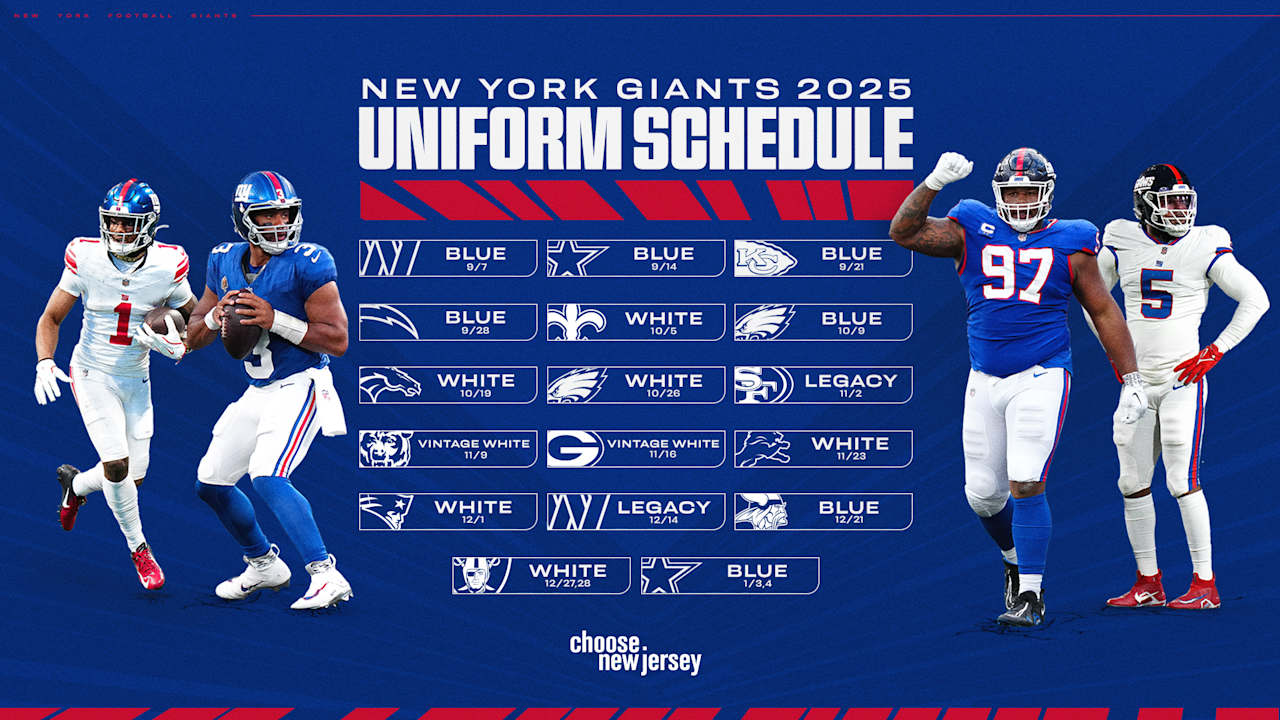

New York Giants Future 2026 Opponents Set . 2025 2026 New York Giants Lock Screen Schedule For IPhone 6 7 8 Plus 2025 New York Giants Lock Screen Schedule IPhone 6 7 8 Plus MT . Printable 2025 2026 New York Giants Schedule 2025 2026 Printable New York Giants Schedule MT PNG . Giants Announce 2025 Uniform Schedule Legacy Games. DraftKings Madden 26 Stream New York Giants 2026 Depth Chart GettyImages 2230868504
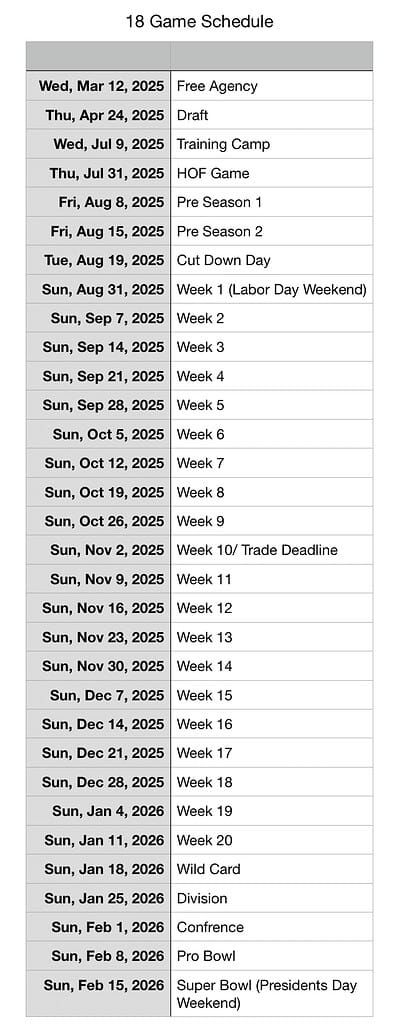


NFL New York Giants 2026 Desk Pad Calendars Com 8cc91890 Caf0 4840 91d7. 2026 Ny Giants Schedule Image 10 . Giants Historical 2025 Schedule New York Giants Giants Com . San Francisco Giants 2026 Season Schedule Printable PDF Download B 6 1 577x337 . Giants 2026 Mock Draft 7 Round YouTube


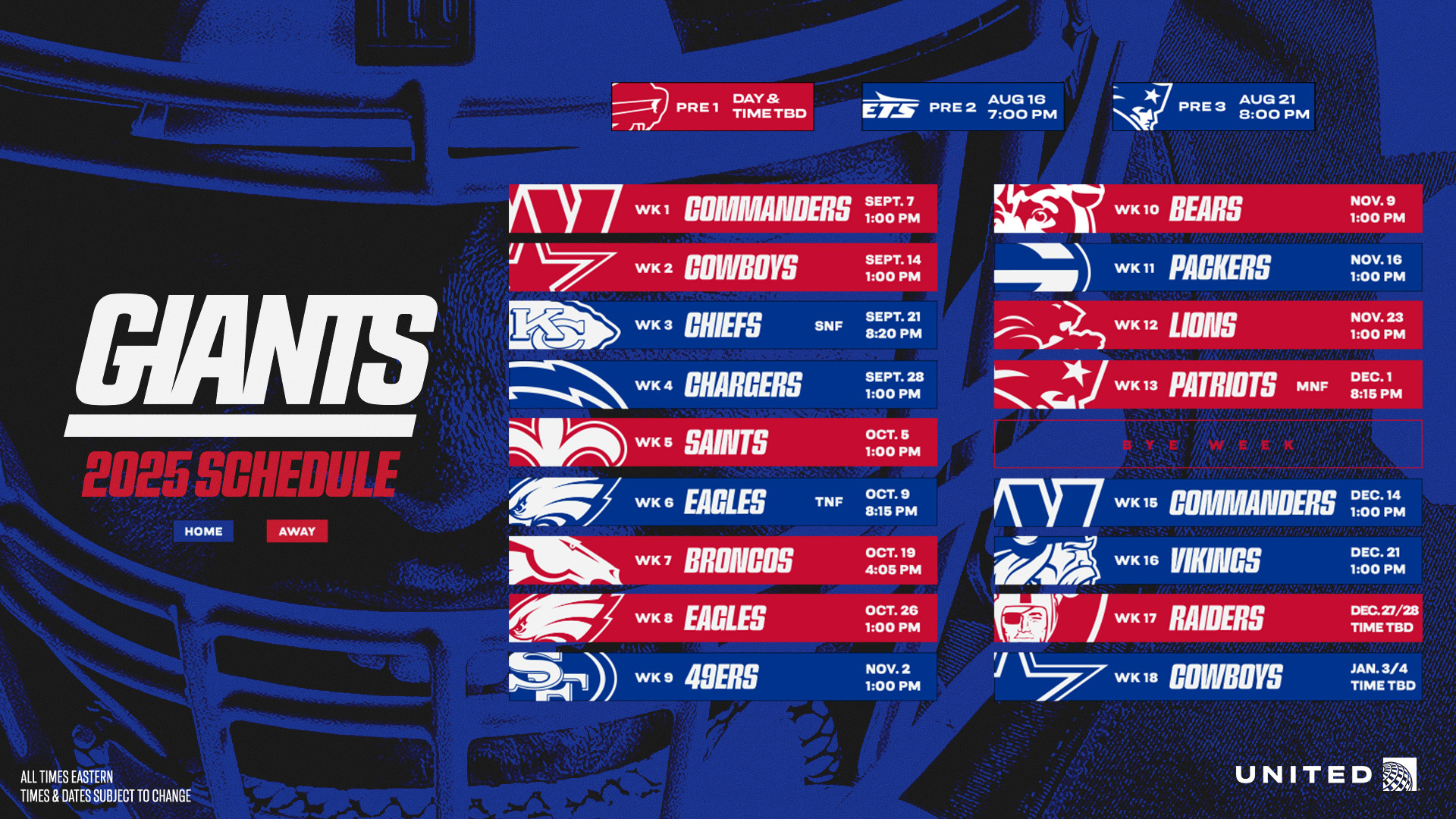
Giants Agree To Terms With OT Matt Nelson . 2025 2026 New York Giants Wallpaper Schedule 2025 26 New York Giants Wallpaper Schedule 1920 X 1080 2 MT 900 . Giants 2023 NFL Schedule Takeaways Easiest And Toughest Games New 1 . 2026 NFL Draft Giants Are Unlikely To Land No 1 Pick 83621410007 Nyg Sched 25 . When Is The Giants Game Your Complete Guide Printable 2025 New York Giants Schedule


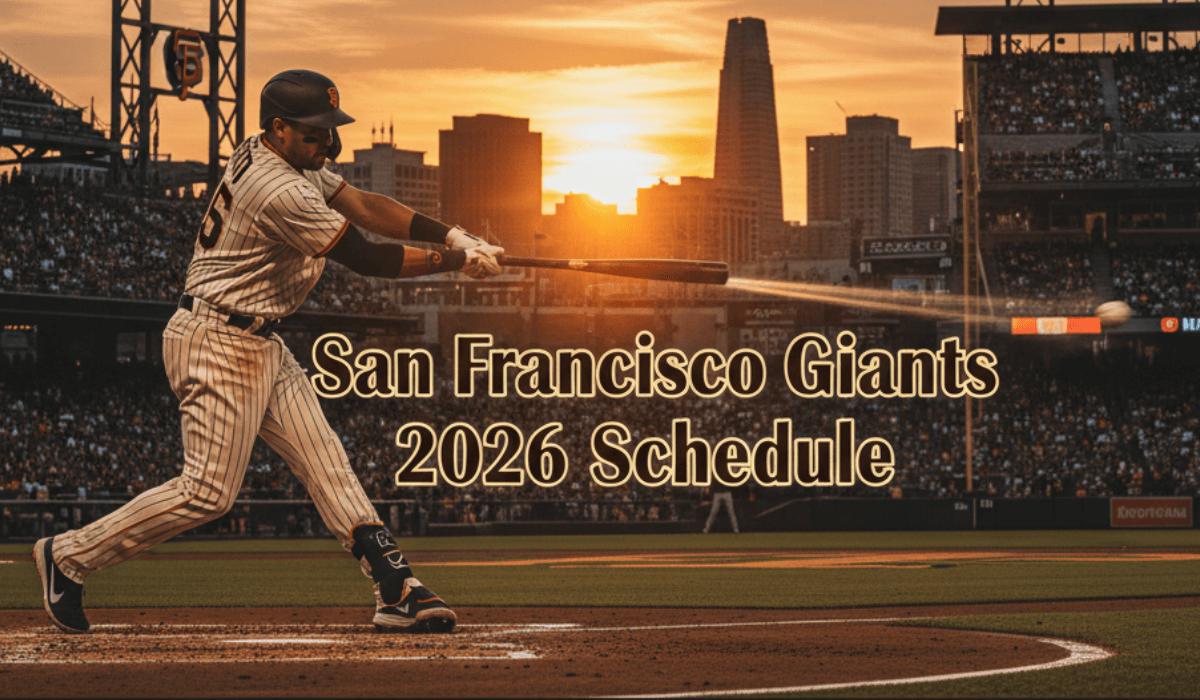
New York Giants Future 2025 Opponents Set. New York Giants NFL Calendar 2026 328807 New York Giants Nfl Calendar Back . 2025 New York Giants Schedule Free Printable Free Printable 2025 New York Giants Schedule . San Francisco Giants 2026 Season Schedule Printable PDF Download Untitled Design 2025 11 1 577x337 . San Francisco Giants 2026 Season Schedule Printable PDF Download New York Mets Spring Training 2026 Tickets Release Date Cost How To Buy 39 1

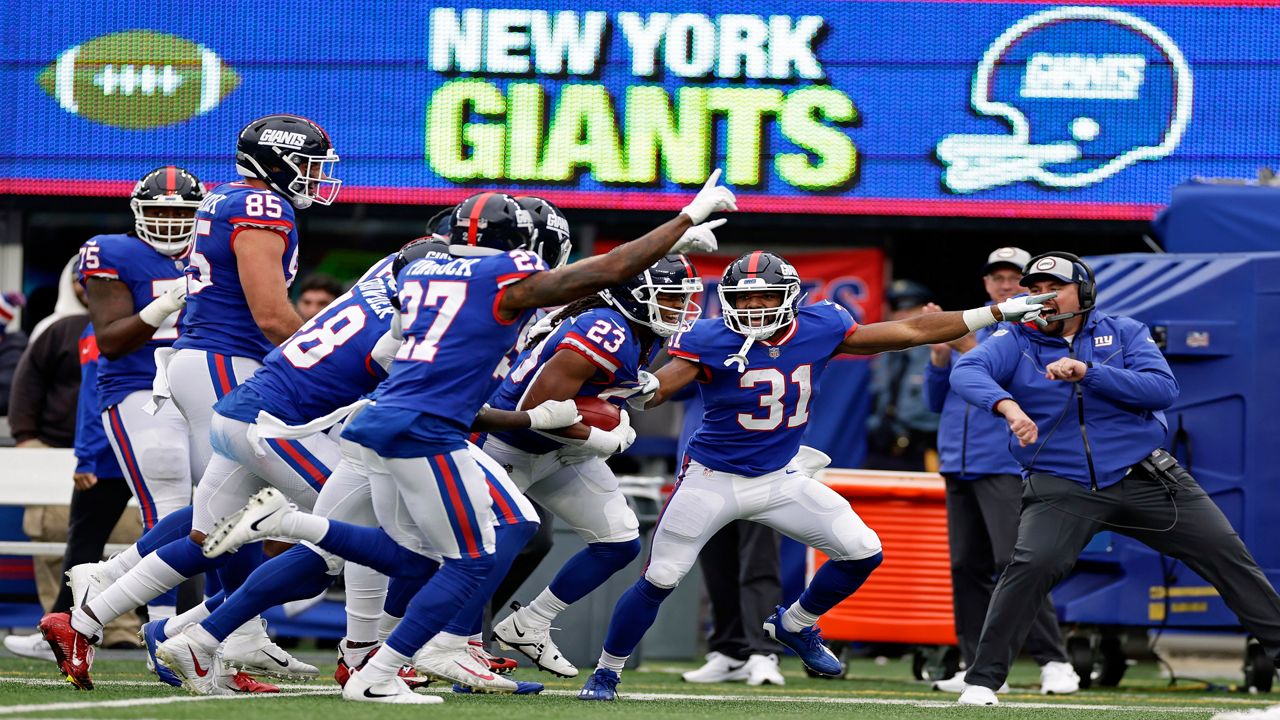
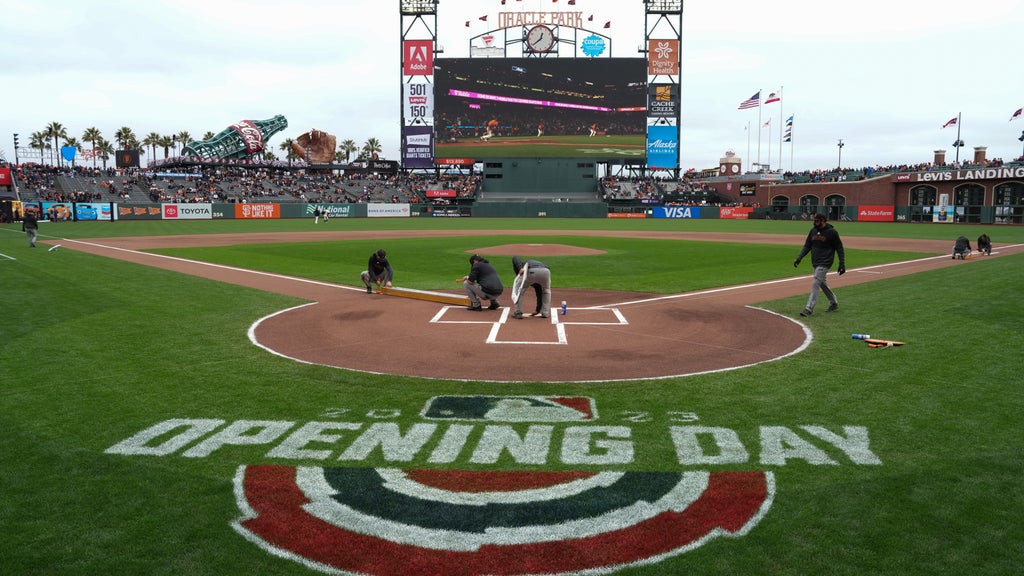

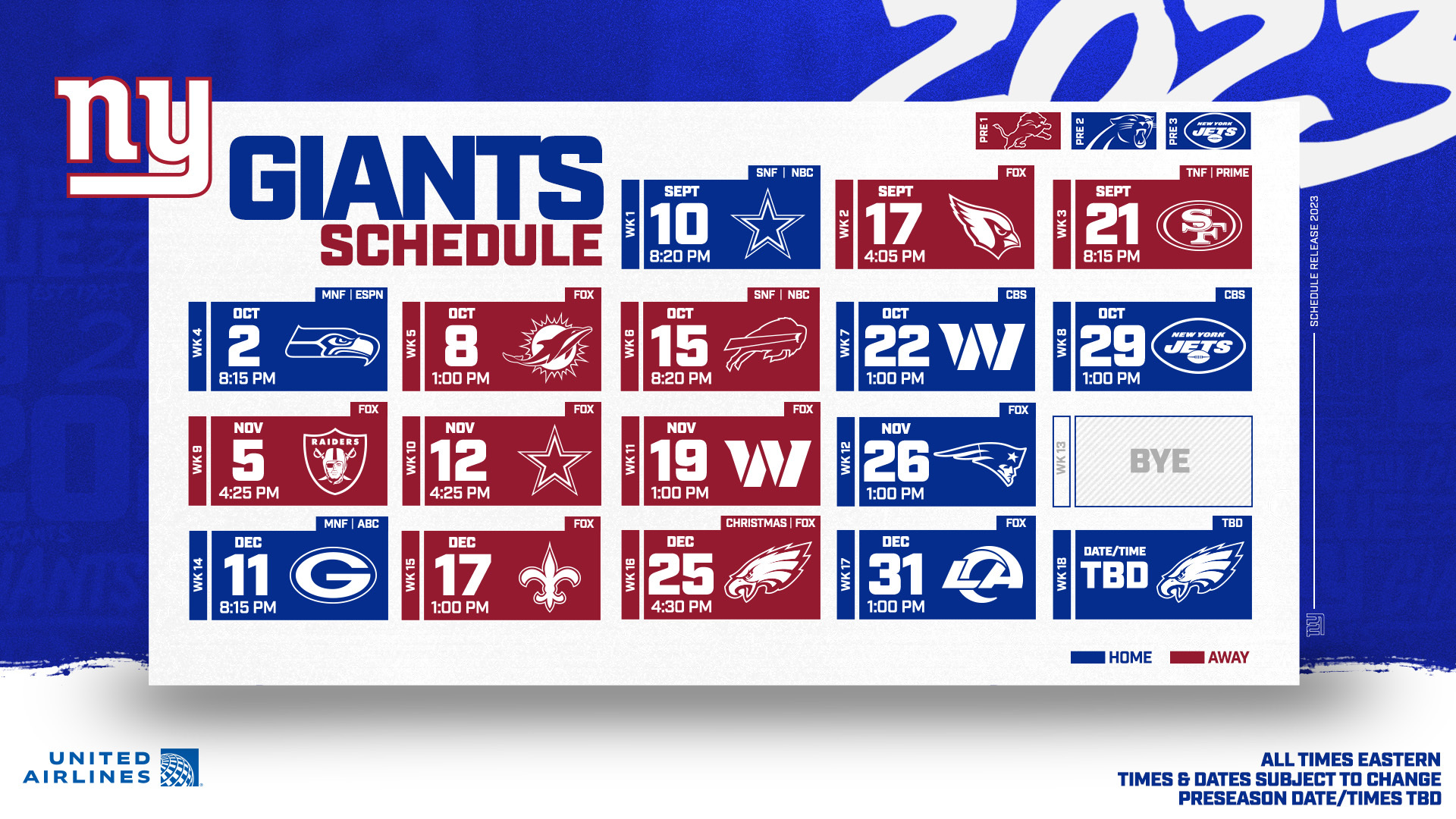
Ny Giants Cowboys . 3 Things To Watch In Packers Giants Game Sunday In London 10062022. San Francisco Giants 2026 Schedule Released Season Opener At Home Vs. UFL Schedule 2026 Dates Times TV Channel For Every Spring Football. Get Your FREE New York Giants Schedule Printable Printables For Everyone