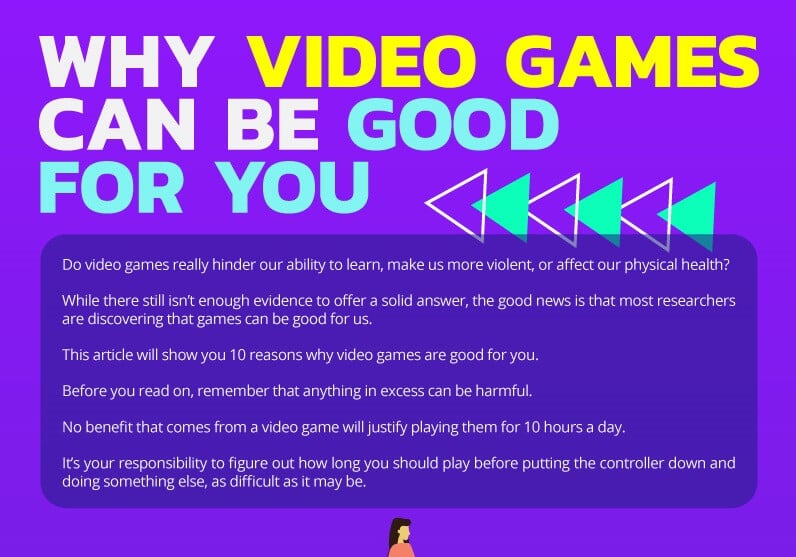
For many busy adults juggling careers families and personal responsibilities finding time for meaningful hobbies that truly benefit them can be a challenge You might unwind with a few rounds after a long day but ever wonder why are video games good for you beyond just entertainment This comprehensive guide dives deep into the overlooked advantages of gaming for the modern US gamer We explore how video games enhance cognitive functions boost mental well-being and even build valuable social connections in an increasingly digital world Discover practical tips to integrate gaming into a balanced lifestyle optimize your experience without breaking the bank and stay current with the latest trends without falling for hype Whether youre seeking stress relief skill development or just a fun way to connect with friends this article provides actionable insights to help you get the most out of your gaming passion Understand the real benefits and transform your play into a powerful tool for personal growth and relaxation
What are the primary cognitive benefits adults gain from playing video games?
Adults playing video games often experience enhanced problem-solving skills, improved reaction times, and better spatial reasoning. Complex game environments demand strategic thinking and quick decision-making, continuously exercising the brain in ways that can boost multitasking abilities and overall cognitive agility for daily life challenges.
How do video games contribute to better mental health and stress reduction for busy professionals?
Video games provide a powerful escape from daily pressures, offering a structured environment for stress relief and emotional regulation. Achieving in-game goals or collaborating with friends releases endorphins, fostering feelings of accomplishment and control. This mental break can significantly reduce anxiety and improve mood, helping busy professionals unwind effectively.
Can online multiplayer games really help adults build meaningful social connections?
Absolutely. Online multiplayer games are vibrant social hubs where adults form genuine connections, build teamwork skills, and share common interests. Platforms like Discord and in-game communication tools facilitate friendships across geographical boundaries, offering vital social support and a sense of belonging, especially for those with limited time for traditional social gatherings.
What transferable skills from gaming are valuable in a professional career?
Many skills honed in gaming are highly valuable in professional settings. These include strategic planning, resource management, problem identification and resolution, leadership, communication, and quick decision-making under pressure. Esports also develops fine motor skills and extreme focus, all of which are assets in diverse careers.
Are there specific types of video games best suited for adults with limited free time?
For adults with limited time, mobile games, "cozy games," and titles with clear, short session objectives are ideal. Many modern games offer quick-save features or narrative-driven experiences that can be enjoyed in short bursts. Subscription services also allow exploring various genres to find time-efficient entertainment without major financial commitment.
How can I ensure gaming remains a healthy hobby and not a distraction from real-life responsibilities?
To maintain gaming as a healthy hobby, set clear boundaries and schedule your play. Prioritize work and family obligations first, and view gaming as a reward. Communicate your gaming schedule with family to manage expectations. Choosing games that allow for pauses or shorter sessions also helps integrate gaming responsibly into a busy lifestyle, ensuring balance.
Why are video games considered a valuable form of entertainment and personal development in 2026?
In 2026, video games are recognized for their multifaceted benefits: enhancing cognitive abilities, promoting mental well-being, fostering social connections, and developing transferable skills. With trends like cross-play and accessible design, gaming offers inclusive, engaging experiences that go beyond mere entertainment, serving as a powerful tool for personal growth and relaxation for adults globally.
As a busy adult juggling career, family, and a never-ending to-do list, finding time for yourself can feel like an Olympic sport. When you finally do carve out a few precious hours, often after the kids are asleep or on a quiet weekend, reaching for your controller or firing up your PC feels like pure escapism. But what if that escapism was doing more than just helping you unwind? What if, beyond the obvious fun, you discovered exactly why are video games good for you, offering tangible benefits that improve your daily life?
Many US gamers, roughly 60% of whom are balancing gaming with jobs and families, aren't just looking for mindless entertainment. They seek relaxation, yes, but also fun, skill-building, social play, and even ways to optimize their performance both in-game and out. Yet, common pain points persist: frustrating setup issues, performance hiccups on aging hardware, struggling to find games that fit limited schedules, or simply feeling out of the loop with the latest trends. This comprehensive guide is designed for you—the pragmatic gamer who wants to understand the real value of their hobby, navigate its challenges, and ensure every gaming session is time well spent. We're here to cut through the hype and show you how gaming, when approached thoughtfully, can be a powerful tool for personal growth, mental well-being, and social connection.
Why Are Video Games Good For You Beyond Just Fun And Relaxation?
Beyond the immediate enjoyment and stress relief, video games offer a surprising array of cognitive, emotional, and social benefits. For many US adults, who game regularly an average of 10+ hours per week, these aren't just anecdotal perks; they're backed by how gaming engages our brains and social instincts. From improving decision-making under pressure to fostering vibrant online communities, gaming transcends simple entertainment, becoming a tool for personal development and connection.
Video games actively stimulate various parts of the brain, leading to enhanced problem-solving skills, better hand-eye coordination, and even improved memory. The interactive nature demands constant engagement, forcing players to adapt, strategize, and learn from mistakes. Moreover, the social aspect, especially in multiplayer titles, provides avenues for communication, teamwork, and leadership development that are highly transferable to real-world scenarios. It's a holistic engagement that makes gaming a beneficial part of a balanced lifestyle.
How Do Video Games Improve Cognitive Skills And Problem-Solving?
Video games are powerful cognitive trainers, constantly challenging players to think critically and react swiftly. Games require players to process information rapidly, make split-second decisions, and adapt strategies in dynamic environments. This consistent mental workout sharpens skills like spatial reasoning, strategic planning, and pattern recognition. Puzzles in adventure games or resource management in strategy titles directly translate to stronger problem-solving abilities in everyday life.
Take for instance, complex multiplayer online battle arenas (MOBAs) or real-time strategy (RTS) games where players must manage resources, coordinate attacks, and predict opponent moves simultaneously. These activities improve multitasking capabilities and executive functions crucial for adult responsibilities. Studies have shown gamers often exhibit better reaction times and visual processing. Even a casual mobile puzzle game can boost logical thinking, making your brain more agile and efficient.
Can Gaming Boost Your Mental Well-being And Reduce Stress?
Absolutely. For many adults, gaming is a vital outlet for stress reduction and mental well-being. After a demanding workday, immersing yourself in a game provides a welcome escape, shifting focus away from daily pressures. The sense of accomplishment from overcoming a challenge or collaborating with friends offers a significant mood boost, releasing endorphins and fostering feelings of competence and control. This month, cozy games and narrative-driven adventures are particularly popular for their low-stress, immersive qualities.
Furthermore, games can provide a safe space to process emotions and build resilience. Failing and trying again, learning from errors, and persisting through difficult levels can build mental fortitude applicable outside the game. For individuals dealing with anxiety or depression, the structured engagement and sense of agency within a game can be therapeutic. Many find that the flow state achieved during gaming, where time seems to disappear, is profoundly relaxing and rejuvenating.
What Are The Social Benefits Of Online Gaming For Adults?
Online gaming has become a primary hub for social interaction, especially for adults looking to connect beyond traditional methods. With 87% of US gamers regularly engaging in multiplayer experiences, platforms like Discord and in-game voice chats facilitate friendships across distances and time zones. Whether it's coordinating raids in an MMORPG, strategizing in a competitive shooter, or simply chatting while exploring a virtual world, gaming fosters genuine bonds and a strong sense of community.
For those who may struggle with social anxiety in face-to-face settings, the anonymity and shared objective of online gaming can lower barriers, making it easier to connect. These connections often evolve into real-life friendships, offering support networks and shared experiences. The rise of cross-play between PC and console also means friends can game together regardless of their preferred platform, making social gaming more accessible than ever. This month, social deduction games and cooperative survival titles are trending, highlighting the enduring appeal of shared gaming experiences.
How Do Video Games Help With Skill Development For Real-World Applications?
The skills honed in video games are surprisingly transferable to real-world professional and personal scenarios. Strategic thinking from grand strategy games can improve business planning. Rapid decision-making in action games translates to better crisis management. Team coordination in esports-style titles develops leadership and communication skills vital for project management. Even the patience required to master a challenging game can improve perseverance in other life areas.
Consider the dexterity and precision required in competitive gaming, which can enhance fine motor skills and hand-eye coordination—beneficial for careers involving intricate tasks. Furthermore, managing in-game economies or resources teaches practical financial literacy and optimization principles. Many content creators and streamers have even turned their gaming skills into successful careers, demonstrating the direct economic value gaming can generate. It's not just about playing; it's about learning and growing through play.
Are There Financial Benefits Or Career Paths In Gaming?
Yes, the gaming industry offers diverse financial benefits and career paths beyond just playing. Professional esports players can earn significant prize money and salaries, while content creators and streamers build lucrative careers through platforms like Twitch and YouTube, monetizing their gameplay and personality. Game development itself is a massive industry, employing designers, programmers, artists, and marketers.
Even for the average gamer, smart choices can yield financial benefits. Free-to-play games offer entertainment without an upfront cost, and careful management of in-game purchases can enhance experiences without overspending. Budget-friendly hardware upgrades and understanding game value (e.g., waiting for sales or subscribing to services like Game Pass) help maximize entertainment value for money. The rise of indie games also offers high-quality experiences at lower price points, demonstrating that enriching gaming doesn't require a huge investment.
How Can Busy Adults Balance Gaming With Work And Family Life?
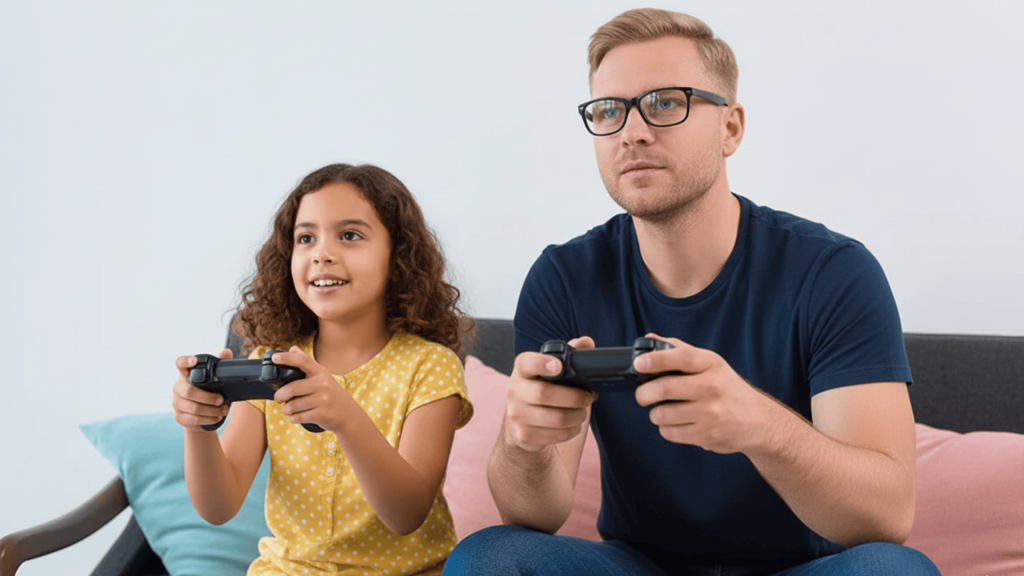
Balancing gaming with demanding work and family commitments is a common challenge for many adult gamers. The key lies in mindful scheduling and setting clear boundaries. Treat gaming time like any other appointment: schedule it, communicate it with your family, and stick to it. Even short, focused sessions (30-60 minutes) can be incredibly rewarding. Consider mobile gaming for quick breaks throughout the day, or cooperative games you can enjoy with family members.
Prioritizing responsibilities first is crucial. Finish work tasks, help with family duties, and then enjoy your gaming. Utilize game features like quick saves or pause functions to fit around real-life interruptions. Communication with your gaming friends about your availability also helps manage expectations. Remember, gaming should enhance your life, not detract from other important areas. Many busy adults find that a structured approach makes gaming a sustainable and guilt-free pleasure.
What Are The Latest Trends In Gaming That Support Well-being And Accessibility?
The gaming landscape in 2026 is evolving to be more inclusive and supportive of well-being. We're seeing a surge in "cozy games" (think Animal Crossing, Stardew Valley) that prioritize relaxation, creativity, and community over intense competition, perfect for winding down. Mobile gaming continues its dominance, offering accessible, bite-sized entertainment for on-the-go gamers—a massive benefit for those with limited blocks of free time. Cross-play functionality across platforms is now standard, making it easier than ever to connect with friends regardless of their hardware.
Esports viewing remains a huge trend, offering a different kind of engagement for those who enjoy the competitive thrill without directly playing. VR experiments are also making strides in immersive, low-impact experiences. Furthermore, the industry is increasingly focused on accessibility features, ensuring games can be enjoyed by a wider audience, including those with disabilities. These trends reflect a growing understanding of how gaming can cater to diverse needs and lifestyles, providing enriching experiences for everyone.
How To Choose The Right Games For Your Specific Needs And Limited Time?
Finding the perfect game when time is precious requires a strategic approach. First, consider your primary goal: do you want relaxation, a mental challenge, or social interaction? For relaxation, look for narrative-driven single-player experiences or cozy simulation games. For mental challenge, puzzle games or strategy titles can be great. For social interaction, cooperative multiplayer games are ideal.
Next, evaluate game length and commitment. Many modern games offer shorter sessions, quick-save features, or clear objectives that can be completed in an hour or less. Read reviews focusing on "time to complete" or "casual playability." Free-to-play titles can be a good entry point to test genres without financial commitment. Don't be afraid to try indie games, which often offer unique, compelling experiences that respect your time more than sprawling AAA blockbusters. Leveraging services like Xbox Game Pass or PlayStation Plus also lets you sample many titles without buying each one, helping you discover what truly fits your schedule and taste.
Is Gaming A Cost-Effective Hobby Compared To Other Entertainment Activities?
Gaming can be a highly cost-effective hobby, especially when approached smartly. While initial hardware investments (console or PC) can be significant, the cost per hour of entertainment often beats out alternatives like cinema tickets, live sports events, or even some streaming subscriptions over time. Many games offer hundreds of hours of content for a single purchase, and the rise of free-to-play titles means you can game extensively without any upfront cost.
Subscription services (e.g., Game Pass, PS Plus) provide access to vast libraries of games for a monthly fee, offering incredible value. Waiting for sales, buying pre-owned games, or exploring the robust indie scene are all ways to keep costs down. Compared to other hobbies like golf, skiing, or collecting, gaming can offer immense entertainment and skill-building opportunities for a relatively modest ongoing investment, making it an excellent value for money activity for the average US household.
So, the next time you power up your favorite game, know that you're doing more than just passing the time. You're engaging in an activity that can sharpen your mind, soothe your spirit, and connect you with others. From boosting cognitive function to fostering deep social bonds and offering genuine stress relief, the benefits of gaming are undeniable for the busy adult gamer. By understanding these advantages and implementing smart strategies for balancing your play, you can transform your gaming sessions into powerful tools for personal enrichment and well-being. It's about enjoying your passion intelligently and harnessing its positive impact on your life.
What's your biggest gaming challenge when balancing life? Or what unexpected benefit have you found from gaming? Comment below! We'd love to hear your experiences and insights.
FAQ: Diving Deeper Into Gaming Benefits
Q: Do video games truly improve reaction time?
A: Yes, many action-oriented video games require quick reflexes and decision-making under pressure, which has been shown to enhance reaction times and visual-spatial attention in players, making them more agile in processing visual information.
Q: Can gaming help older adults maintain cognitive function?
A: Absolutely. Studies suggest that certain video games, especially puzzle and strategy genres, can help older adults maintain and even improve cognitive functions such as memory, processing speed, and problem-solving skills, potentially mitigating age-related decline.
Q: Is it true that gaming can make you a better leader?
A: In multiplayer team-based games, players often take on leadership roles, coordinating strategies, delegating tasks, and motivating teammates. This experience develops valuable leadership, communication, and teamwork skills that are highly transferable to real-world professional and social settings.
Q: How can I prevent gaming from becoming a negative habit?
A: Key strategies include setting clear time limits, scheduling gaming sessions, ensuring other life priorities (work, family, health) are met first, and choosing games that align with your well-being goals rather than solely focusing on endless progression. Balanced play is mindful play.
Q: Are free-to-play games as beneficial as paid titles?
A: Many free-to-play games offer robust experiences and significant benefits, especially socially. While some rely on in-game purchases, their core gameplay can provide all the cognitive and social advantages of paid titles, often serving as excellent entry points into different genres without financial commitment.
Q: What type of games are best for stress relief after a long day?
A: For stress relief, "cozy games" like simulation, farming, or exploration games (e.g., Animal Crossing, Stardew Valley, Journey) are excellent choices. Narrative-driven single-player adventures or puzzle games can also be very effective for unwinding and gentle mental engagement.
Q: Can gaming improve my mood if I feel down?
A: Yes, gaming can be a mood booster. The sense of accomplishment from overcoming challenges, the positive social interactions, and the temporary escape from daily stressors can all contribute to improved mood and reduced feelings of sadness or anxiety.
Q: Is mobile gaming considered "real" gaming for adults?
A: Absolutely. Mobile gaming is a dominant force, offering sophisticated experiences, competitive esports, and vast social networks. For busy adults, its accessibility and flexibility make it an ideal platform for fitting gaming into a packed schedule, providing all the benefits of other platforms.
Video games enhance cognitive skills and problem solving Gaming can significantly reduce stress and improve mental well-being Online games foster valuable social connections and teamwork Gaming develops transferable skills applicable to real life and careers Budget-friendly gaming options and responsible balancing tips are available for busy adults Latest trends support accessible and social gaming experiences for all
35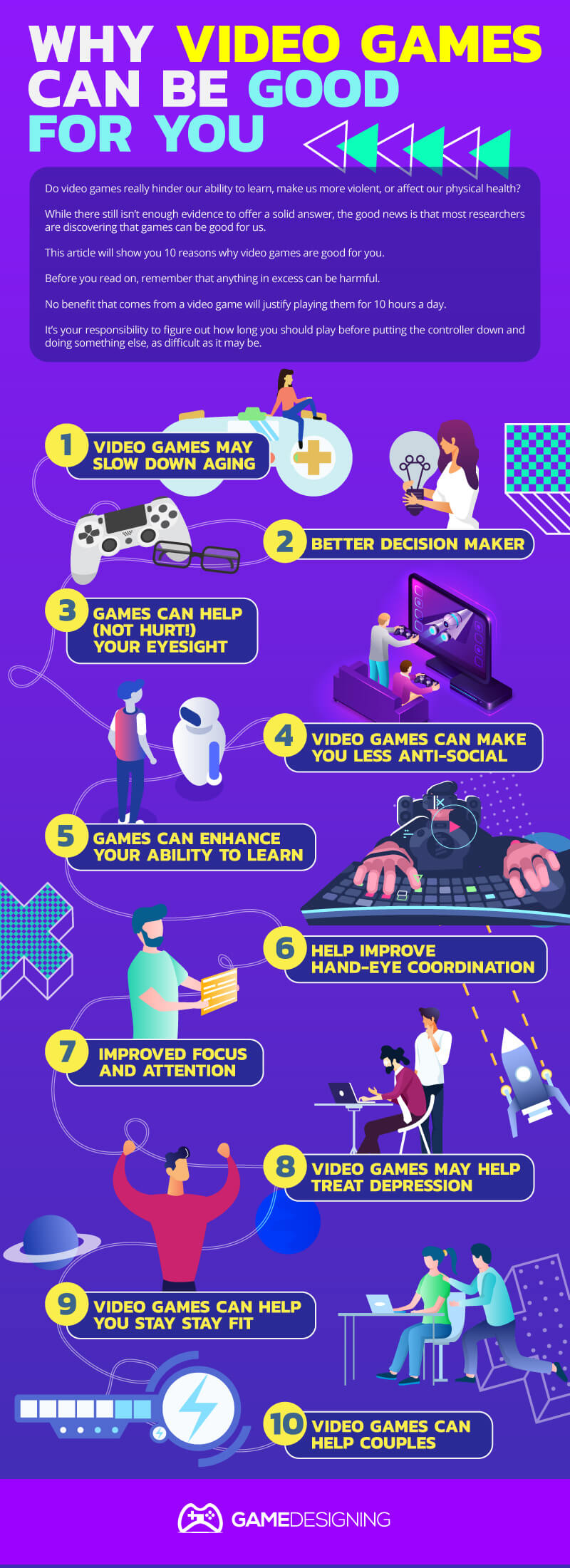
Are Video Games Good For You 10 Benefits Of Gaming Why Video Games Can Be Good For You . 10 Benefits Of Video Games Are Video Games Good For You Game Designing Why Video Games Can Be Good For You Preview . 10 Much Awaited Games Set To Launch In 2026 Games To Launch 2026 1024x645 . Video Games 2026 Ones To Watch Part 1 Quest Daily 2026 Games Pt 1 . The 94 Most Exciting Games Of 2026 Eurogamer Net 2026 Best



Top 10 Best Games Of 2026 So Far Must Play Titles Top 10 Best Games Of 2026 1 . Video Games 2026 Ones To Watch Part 2 Quest Daily 2026 Games Pt 2 . NextPlay S Most Anticipated Games Of 2026 NextPlay Australia Most Anticipated 1 . 20 Most Anticipated Video Games Of 2026 Page 2 1200x675 . The Power Of Play The Positive Effects Of Video Games On Well Being Esa Es Promo 01 468x428



Top 9 Advantages And Efficient Benefits Of Video Games Benefits Of Video Games . The Most Anticipated Games Of 2026 That Gamers Can T Wait For ZCr Dito 20250822 Most Anticipated Games Of 2026 . Top Upcoming Games Of 2026 You Shouldn T Miss Gamersshub Top Games 2026 Gghub . Video Games 2026 Key Trends Shaping The Future Of Play Mavigadget Blog . Are Video Games Good For Us Infographic Are Video Games Good For Us Web Tease



Video Game Industry Trends In 2026 Beyond Video Game Industry Trends In 2026 And Beyond . PS5 Players Getting 2026 Packed With Highly Anticipated Games Ps5 Games 2026 . What To Expect From PlayStation In 2026 GamesRadar . Top 10 Most Anticipated Video Games Of 2026 Cloud3D 00 Featured Image 1116 628 . Top 10 PC Games In 2026 That Will Set New Standards 49 13P



Video Games Benefits In The U S 2021 Statista 1133150 Blank 355 . What Are The Top Upcoming Games In 2026 Every Gamer Should Watch Game 1024x683 . 2026 Video Game Gaming Milestone List Cubed3 2026 Video Game Gaming Milestone List Insights Screenshot Art 14 1000x563 . Top 10 Unreal Engine Games Of 2025 Upcoming 2026 Releases Top Ue Games 2026 Cover Scaled . The Best Video Games Coming Out In 2026

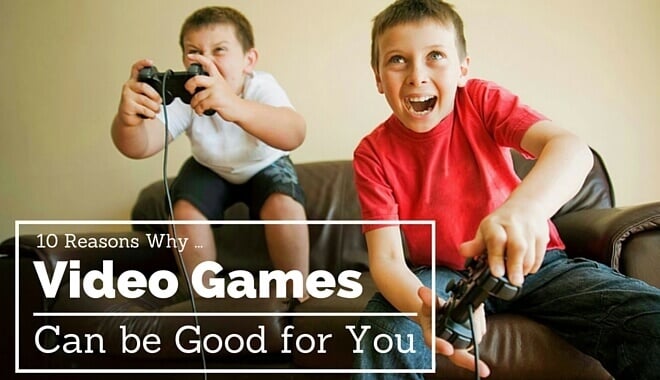
All Video Games Releasing In 2026 2026 Games . 10 Reasons Why Video Games Are Good For You Sometimes The Benefits Of Video Games . 10 Reasons Why Video Games Are Good For You 10 Reasons Why Video Games Are Good For You . Why Video Games Are Good For Your Brain Ggwp Academy Featured Image Why Are Video Games Good For You 1024x576 . Are Video Games Good For You The Data Says Yes Videogames Are Good For You

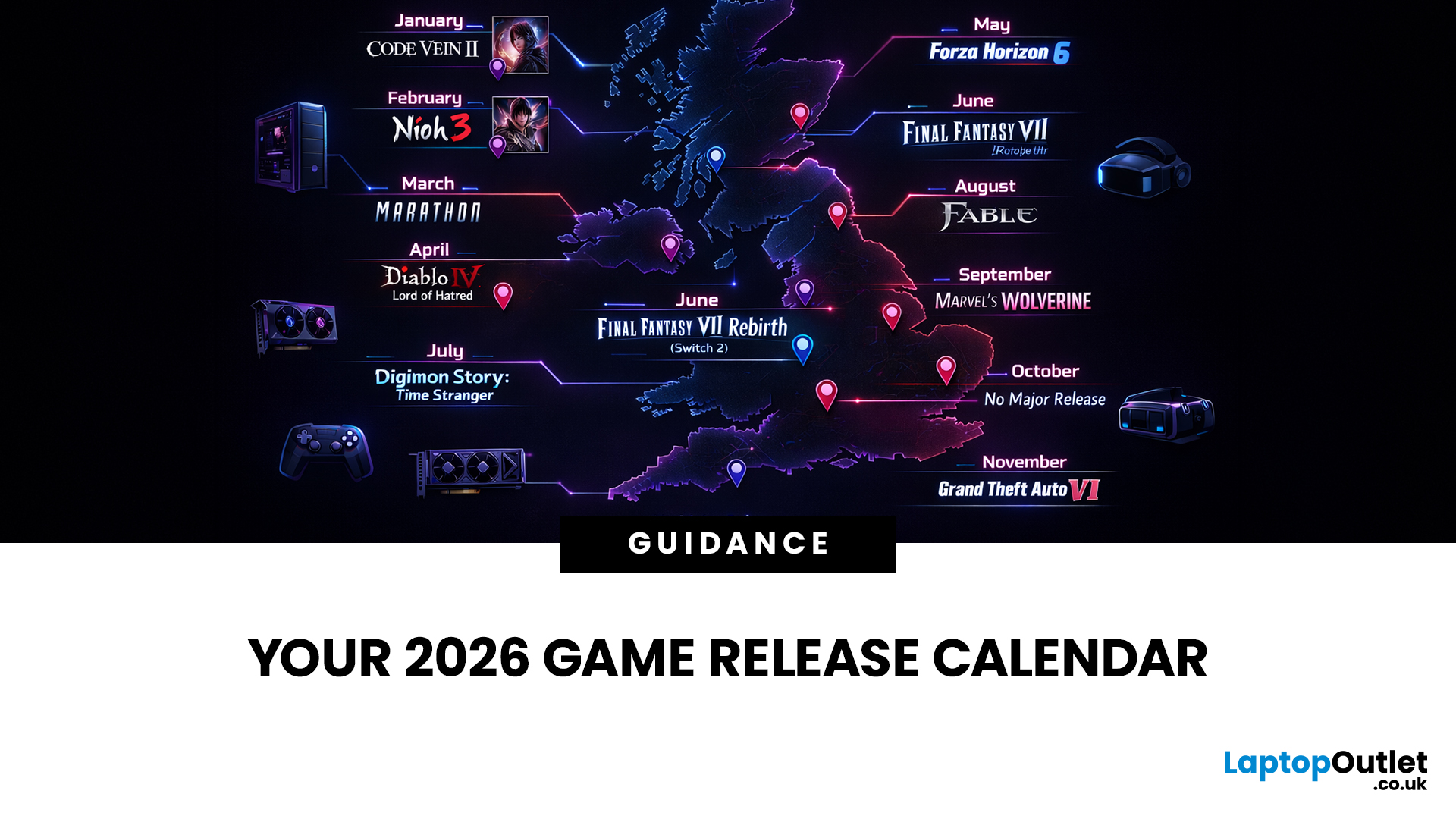
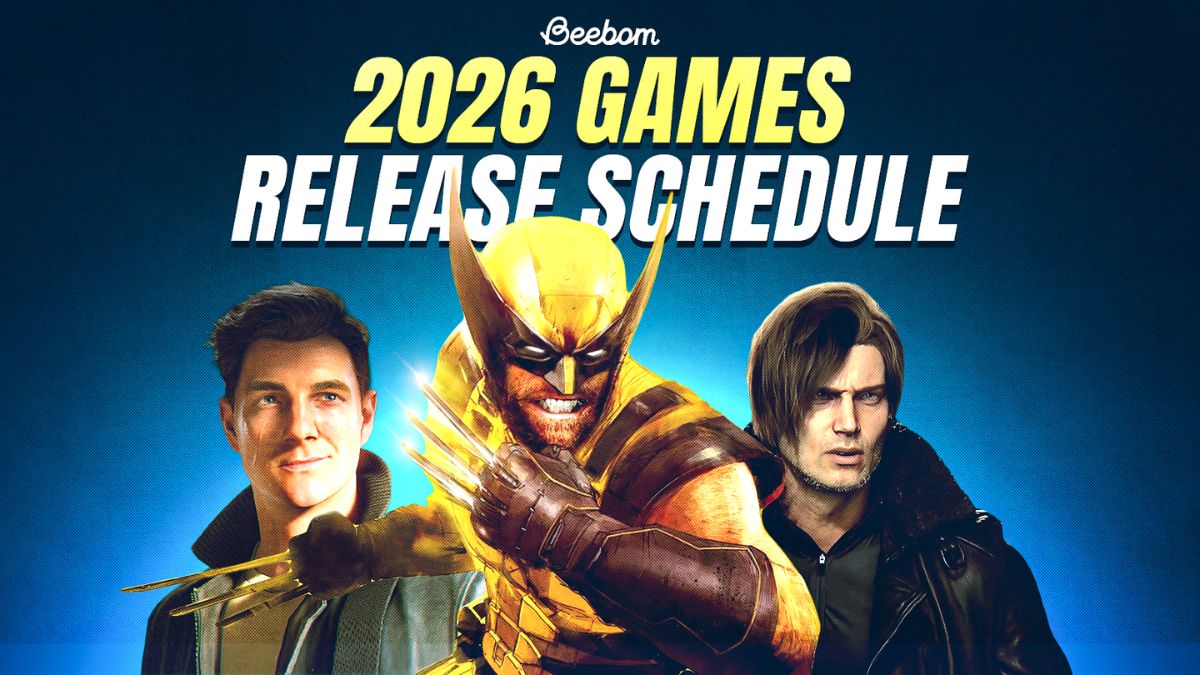

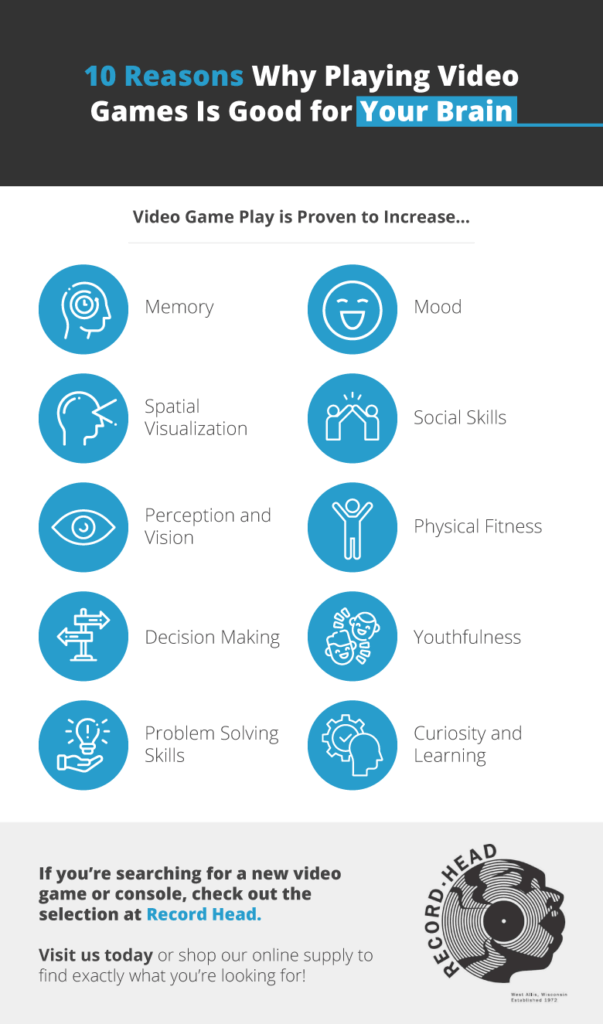
The Most Anticipated Video Games 2026 GamePOW 123123 1024x576 . Upcoming Xbox Games In 2026 What To Play Next Year Game Releases Full Calendar Release Dates Main . Upcoming Games 2026 Full Video Game Release Calendar Beebom 2026 Games Release Schedule . Game Awards 2026 Game Of The Year 2026 Game Awards Game Of The Year .webp. 10 Reasons Why Video Games Are Good For You Record Head Record Head Mg 10 Reasons Why Playing Video Games Is Good For Your Brain 1 603x1024 1