Are you a dedicated gamer balancing work, family, and your passion for virtual worlds? You've invested in a gaming laptop, and now you're wondering how many years gaming laptop last. It's a critical question for anyone looking to maximize their investment and keep up with the latest titles without breaking the bank. This comprehensive guide dives deep into the factors influencing gaming laptop lifespan, from hardware durability and component degradation to software optimization and user habits. We'll explore practical tips for extending your machine's life, understanding when an upgrade truly makes sense, and how to maintain peak performance for those intense gaming sessions or relaxing co-op adventures. Discover actionable insights to ensure your beloved portable rig remains a reliable companion for years to come, keeping you in the game whether you're tackling new releases or replaying old favorites with friends. Get ready to stretch your gaming budget further and enjoy uninterrupted play.
QWhat is the average lifespan of a modern gaming laptop?
The average lifespan of a modern gaming laptop typically ranges from 3 to 5 years. This estimate can fluctuate significantly based on various factors including the initial build quality, how intensely it's used, the games you play, and the diligence of your maintenance routine. While some budget models might struggle past three years, well-maintained high-end machines can easily exceed five, especially if you're not always chasing ultra settings on the very latest AAA titles. The key is balancing performance needs with realistic expectations and proactive care.
QHow do demanding games impact a gaming laptop's longevity?
Demanding games significantly impact a gaming laptop's longevity primarily through increased heat generation and constant strain on components. High-end graphics and processor usage push hardware to its limits, leading to higher operating temperatures. Over time, sustained heat can accelerate the degradation of delicate components like the GPU, CPU, and even the battery. While gaming laptops are designed to handle this, consistent thermal stress without proper cooling or maintenance can shorten their overall lifespan compared to a machine used for lighter tasks.
QWhat are the most common reasons a gaming laptop fails prematurely?
Premature failure in gaming laptops is often attributed to several key issues. Overheating is a primary culprit, leading to component damage, especially to the GPU or CPU. Battery degradation is another common factor, as intense usage cycles wear it down quickly. Physical damage from drops or spills can also lead to early demise. Lastly, outdated or insufficient hardware struggling to run modern games can make a laptop feel 'dead' even if it's technically functional, failing to meet user expectations for a gaming experience.
QCan upgrading components extend a gaming laptop's life significantly?
Yes, strategically upgrading certain components can significantly extend a gaming laptop's useful life, though options are often limited compared to a desktop PC. RAM and storage (SSD) are typically the easiest and most impactful upgrades. Adding more RAM can improve multitasking and game loading times, while a faster, larger SSD provides crucial space and speed. GPU and CPU upgrades are rarely possible due to their integrated nature in most laptop designs. Focus on what you can upgrade to breathe new life into an aging machine.
QHow important is cooling and cleaning for a gaming laptop's longevity?
Cooling and cleaning are critically important for maximizing a gaming laptop's longevity. Dust accumulation within the fans and heatsinks is a major enemy, trapping heat and forcing components to run hotter. This sustained heat accelerates hardware wear and can lead to performance throttling. Regular cleaning, using compressed air to clear vents and fans, ensures efficient heat dissipation. Investing in a good cooling pad can also provide an extra layer of thermal management, preventing your laptop from literally burning out before its time.
QDoes battery health affect the overall performance and lifespan of a gaming laptop?
Yes, battery health absolutely affects both the overall performance and lifespan of a gaming laptop, even when plugged in. A degrading battery can sometimes lead to power delivery issues, potentially causing performance throttling, especially during peak load. More directly, a weakened battery reduces portability, undermining a key advantage of a laptop. While most gaming is done while plugged in, a severely degraded battery can impact system stability and, in extreme cases, even swell and damage other internal components, shortening the entire device's life.
QWhat indicators suggest it's time to replace rather than repair a gaming laptop?
Several indicators suggest it's time to replace a gaming laptop rather than just repair it. If your laptop can no longer run current games at acceptable frame rates, even at lower settings, despite cleaning and minor upgrades, it might be too old. Frequent crashes, severe overheating even after cleaning, or a repair cost that approaches or exceeds the price of a new mid-range gaming laptop are strong signals. When multiple major components like the motherboard or GPU fail, replacement is almost always the more cost-effective and future-proof option.
Hey there, fellow gamer! We all know the grind: balancing work, family, and that precious time you carve out for your digital adventures. Whether you're diving into the latest social sensation on Discord with friends, exploring vast open worlds after the kids are asleep, or just unwinding with a quick match before tackling chores, your gaming laptop is your trusty companion. But here's a thought that probably crosses your mind: just how many years gaming laptop last? It's a question that weighs on many of us, especially with new titles demanding more power every year and our budgets always needing a careful eye.
You've invested your hard-earned cash into a machine designed for performance, and you want to ensure it stands the test of time. In 2026, with the rapid pace of technological innovation and new gaming trends like cross-play and cloud gaming on the rise, understanding your laptop's longevity is more crucial than ever. For the average US gamer, who spends upwards of 10 hours a week in virtual realms (and about 87% game regularly, across mobile, PC, and console), getting maximum value from your hardware is key. We're not just talking about raw power; we're talking about reliability, performance optimization, and smart spending. This guide is built specifically for you – the busy adult gamer who wants to stay current without falling for every hype cycle, ensuring your setup supports your relaxation, skill-building, and social play without unexpected hitches. Let's demystify how many years gaming laptop last and empower you to get the most out of your portable powerhouse.
What Is the Real Lifespan of a Gaming Laptop?
The average lifespan of a modern gaming laptop typically falls between 3 to 5 years. This isn't a hard and fast rule, but rather an estimate influenced by numerous factors. A high-end machine from a reputable brand, with careful usage, might comfortably exceed five years, while a budget-tier model used intensively could struggle past three. The key differentiator often lies in the quality of components and the initial thermal design, which dictate how well the system can manage the heat generated during demanding gaming sessions.
Think of it like a car: a well-built model with consistent maintenance lasts longer. Similarly, your gaming laptop's durability isn't just about its initial specs, but also how it's treated over time. The continuous evolution of game graphics and processing demands means that even if your hardware is physically sound, it might feel 'old' sooner as it struggles to run the latest titles at enjoyable settings. This perceived obsolescence can sometimes feel like a reduced lifespan, even if the machine itself is still functional for less demanding tasks.
How Do Usage Habits Impact Your Laptop's Longevity?
Your daily gaming and usage habits play a colossal role in determining how many years gaming laptop last. Consistently pushing your machine to its thermal limits with marathon gaming sessions without proper cooling can accelerate component degradation. While gaming laptops are built for performance, continuous high temperatures can stress the CPU, GPU, and even the motherboard's solder points, potentially leading to premature failure. This is especially true for gamers who spend 10+ hours a week in demanding titles.
Furthermore, how you handle your laptop physically matters. Frequent travel without a protective case, careless handling, or even improper opening and closing of the lid can cause wear and tear on hinges, chassis, and screens. Leaving your laptop on 24/7, while convenient, can also contribute to component fatigue and increased dust accumulation inside. Conversely, properly shutting down, giving your laptop breaks, and ensuring it's in a safe environment when not in use can significantly extend its functional life.
Can Proper Maintenance Truly Extend a Gaming Laptop's Life?
Absolutely, proper maintenance is arguably the single most impactful factor in extending how many years gaming laptop last. Dust is the enemy of electronics, especially in high-performance devices like gaming laptops. Over time, dust and debris accumulate in the cooling fans and heatsinks, acting like an insulating blanket that traps heat. This forces your components to run hotter, leading to throttling (reduced performance) and accelerated wear.
Regular cleaning with compressed air (every 3-6 months, depending on your environment) to clear out the vents and fan blades is crucial. For advanced users, reapplying thermal paste to the CPU and GPU every 2-3 years can dramatically improve heat transfer. Additionally, using a cooling pad can provide supplementary airflow, especially for laptops that tend to run hot. These simple, proactive steps directly combat the most common cause of premature hardware failure, ensuring your rig breathes easy and performs optimally for longer.
What Role Do Component Quality and Future-Proofing Play?
The initial quality of your gaming laptop's components directly impacts its inherent durability and how long it remains capable. Premium laptops often feature better cooling solutions, higher-grade materials, and more robust power delivery systems, all of which contribute to a longer lifespan. For instance, a laptop with a higher-tier GPU and CPU will not only perform better out of the box but also be able to handle future game requirements for a longer period before feeling obsolete.
While true
Gaming laptop lifespan typically 3-5 years. Component quality, usage habits, and maintenance are key factors. Regular cleaning and thermal management are crucial. Strategic upgrades can extend usability. Software optimization maintains peak performance. Understanding upgrade cycles maximizes value.
35
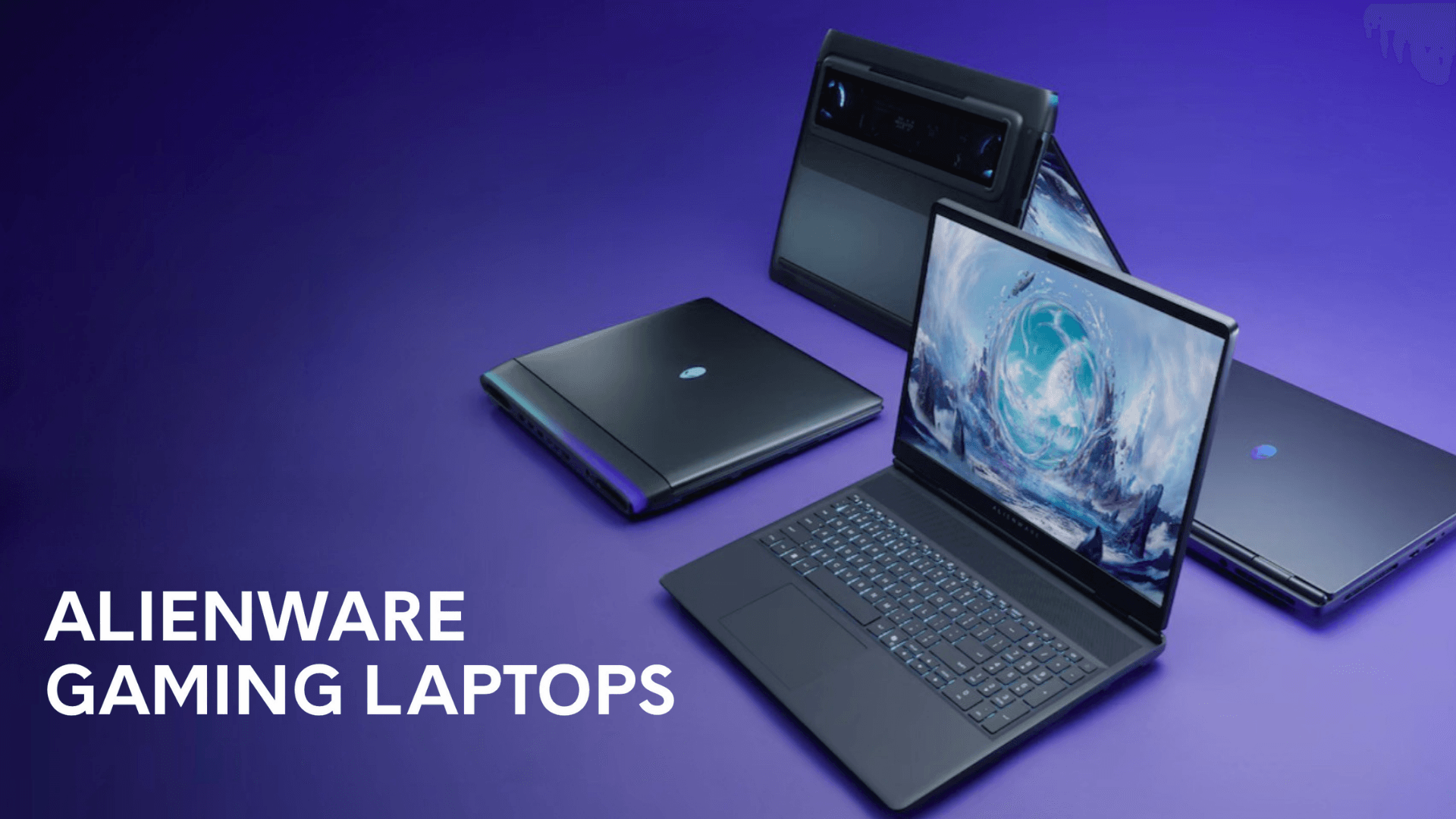


Best Gaming Laptops At CES 2026 RTX 5090 Options Dual Screen Picks Lenovo Legion Pro Rollable Concept. Dell Unveils Ultra Slim And Entry Level Alienware Gaming Laptops At CES Alienware 38e863a74e . Best Gaming Laptops In 2026 Life Style Tech And Digital Whisk . The Ultimate Buying Guide To Gaming Laptops 2026 Sourav Joshi Vlogs Best Gaming Laptops 2026 . The Best Cheap Gaming Laptops For 2026 Tested For Gaming Top 3 Gaming Laptops Of 2026 - The Ultimate Guide

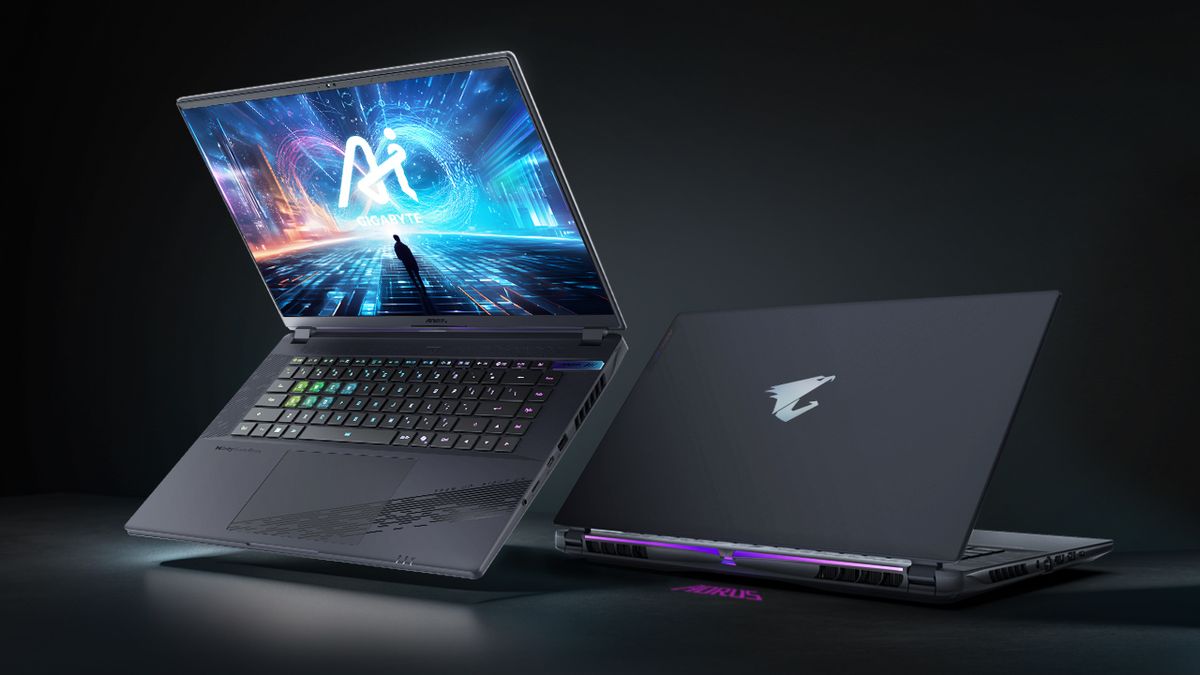
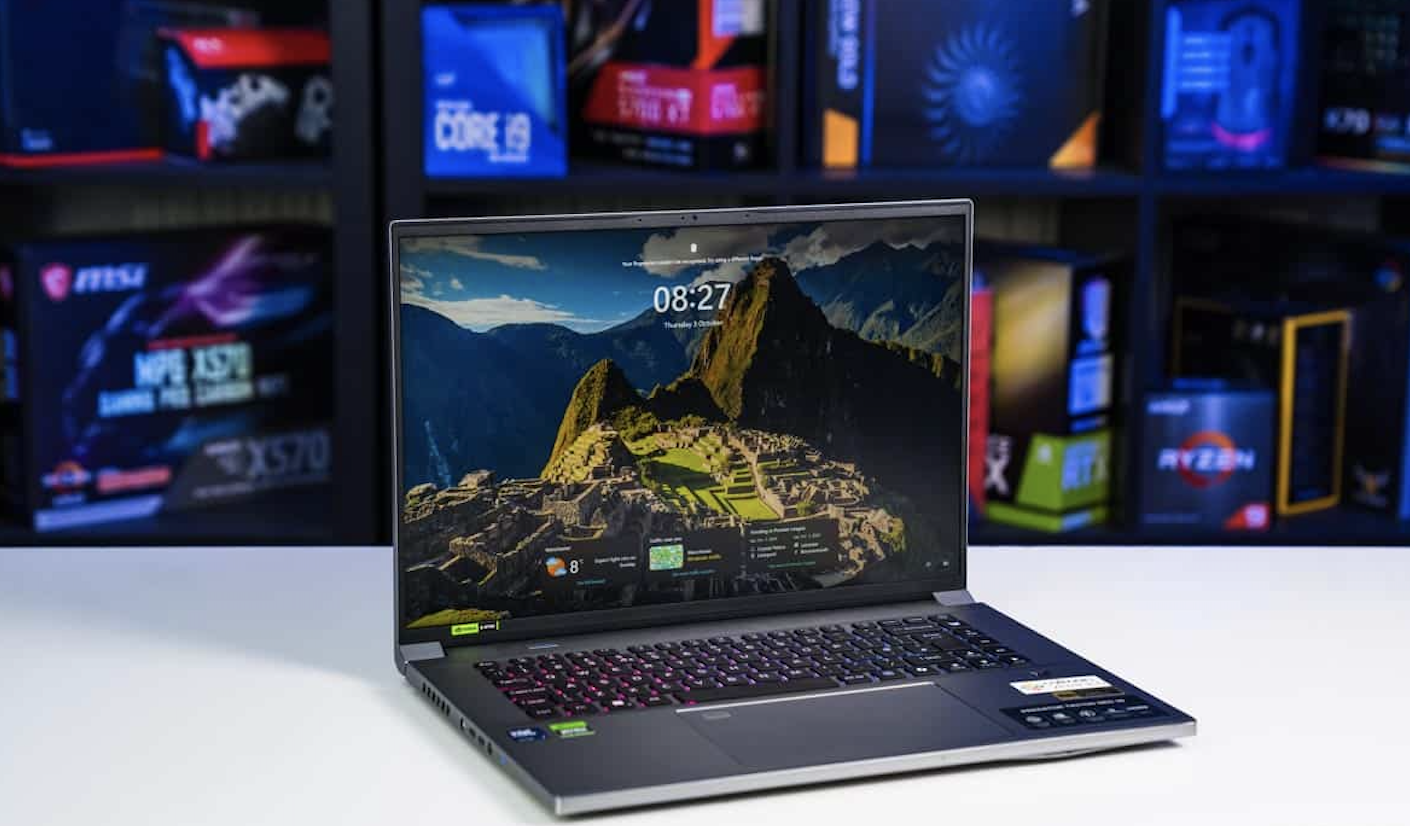

Top 10 Gaming Laptops To Buy In 2026 Power Meets Innovation YouTube . BEST GAMING LAPTOPS IN 2026 REVIEWED AND RANKED Technical 1200 80 . Best Budget Gaming Laptops 2026 Top Value Picks Best Budget Laptops For Gaming 2026 . Lenovo S CES 2026 Concept Laptops A Rollable OLED Gaming Beast And A Lenovo CES 2026 Rollable Laptop Concepts 20260107 103129 . CES 2026 Lenovo Brings Out 16 To 24 Expandable Gaming Laptop Ces 2026 Lenovo Brings Out 16 To 24 Expandable Gaming Laptop Techjuice 211204 062816




Top 10 Gaming Laptops Of 2026 Unleash Next Level Power YouTube . Best Laptops 2026 Top Picks For Every Budget Use Case Xthe Best Laptops 2026 Top Picks For Every Budget Use Case 750x350 . Best Gaming Laptops 2026 Top 5 Picks With RTX 50 GPUs Price Comparison Top 5 Gaming Laptops In 2026. Best Gaming Laptops For Every Type Of Gamer In 2026. Best Gaming Laptops For 2026 Top Picks And Reviews Tech In Deep Best Gaming Laptops For 2026 300x300


%2520Luke%2520Larsen%25205.png)
New Year Gaming Laptop Deals 2026 Play The Latest Games The Ultimate Guide To Gaming Laptop Key Features In 2025 . 5 Best Gaming Laptops 2026 Gaming Net Untitled Design . Gaming Laptop Buying Guide 2026 Complete Buyer S Guide Gaming Laptop Buying Guide 2026 . How To Choose The Right Gaming Laptop 2026 What You Need To Know WIRED . 10 Best Gaming Laptops Under 600 March 2026 Complete Guide Best Gaming Laptops Under 600 768x419




Best Gaming Laptop 2026 Real World Picks I D Actually Buy Gamer Org A Sleek Tech Thumbnail Design Featuring . Top 5 Laptop Gaming Ng Mua Nh T 2026 K Nguy N AI PC RTX 50 Series Gemini Generated Image . 5 Best Gaming Laptops For Students 2026 With RTX GPU PCVenus Best Gaming Laptops Under 700 648x320 . ASUS Gaming V16 2025 14th Gen Intel Core 7 240H Gaming Laptop RTX F9597fd4 F6b6 4bf8 B313 PT0 SX1464 V1 . Best RTX 2080 Laptop In 2026 Our Top Picks PC Guide MSI Titan 18 HX Open Back Image By PCGuide


Best Intel 12th Gen Laptop In 2026 Our Top Picks PC Guide Best RTX 5090 Laptops 1024x576 . How Long Do Gaming Laptops Last Complete 2026 Guide Lenovo Idea L340 15 Gaming 585x439 . Gaming On Snapdragon Laptops What To Expect In 2026 How Long Do Asus Gaming Laptops Last.webp. Laptop Statistics And Facts 2026 Shipment Forecast Of Laptops Tablets And Desktop Pcs Worldwide 768x672 . Top 5 Best Gaming Laptops For 2026 The Ultimate Guide 2026 Rank1one Gaming Laptops


Top 10 Best Gaming Laptops Of 2026 Next Gen Power Revealed YouTube . CES 2026 ASUS Revela Su Nueva Generaci N De Laptops Para Gaming Y . CES 2026 Asus Hidupkan Kembali Laptop Gaming Dual Layar Dengan Hero . Top 10 Best Gaming Laptops To Buy In 2026 Power Performance What S . Next Gen Gaming Laptops Will Have Better Screens And Chips And Cost Way 2026 ROG Strix Family Lineup Image 1 Press Release