Unlock the secrets of how cloud gaming works and transform your play experience This comprehensive guide cuts through the technical jargon to give you practical insights into streaming games effortlessly We understand balancing work family and life leaves little room for complex setups or expensive hardware upgrades Discover how cloud gaming can be your perfect solution offering flexibility diverse game libraries and seamless cross-play options Learn about the core technology from server architecture to latency management and find out which services best fit your lifestyle and budget Whether you are a casual player seeking relaxation or a competitive gamer aiming for peak performance this article provides all the answers you need Stay current with gaming trends without the hype and optimize your fun on any device without breaking the bank Explore why millions of US gamers are embracing this technology right now and how you can too without any setup headaches or performance woes Your gaming journey is about to get a whole lot simpler and more exciting with our expert tips and recommendations
Q: What is the fundamental concept behind how cloud gaming works?
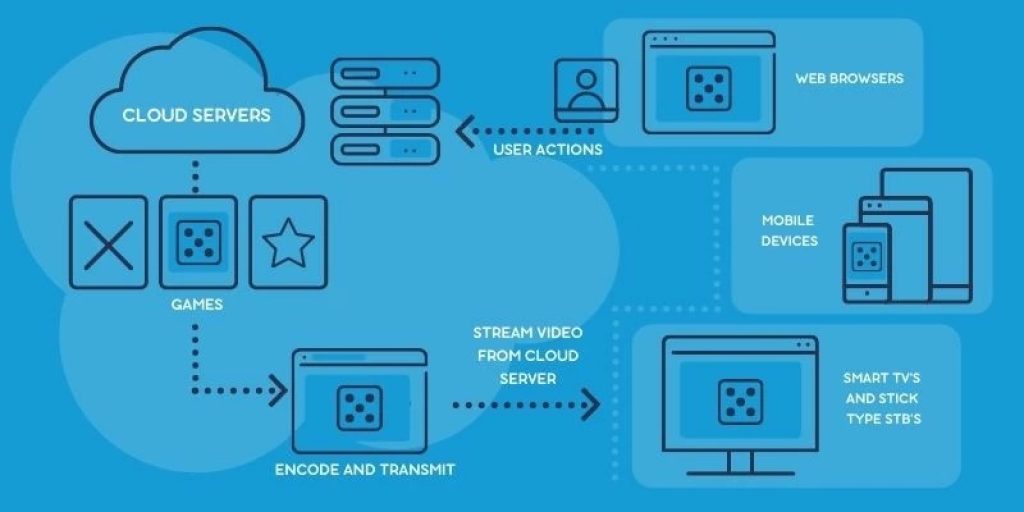
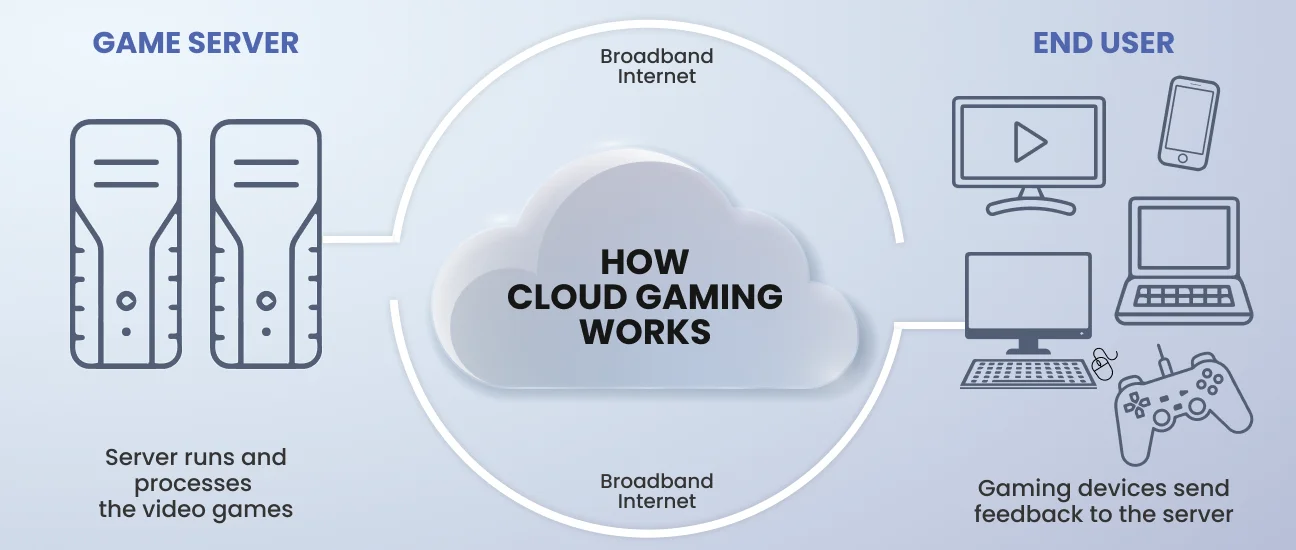
A: The fundamental concept behind how cloud gaming works is offloading game processing. Instead of a game running on your local device, a powerful remote server executes the game and streams a video feed of the gameplay to your screen. Your device simply sends your control inputs to the server, and the server sends the updated video back, all in real-time, effectively turning your device into a display terminal for a powerful distant computer.
Q: How does my internet connection impact my cloud gaming experience?
A: Your internet connection is paramount. It dictates the speed at which your commands reach the server and how quickly the game's video stream returns to you. A fast, stable connection with low latency minimizes input lag and ensures a crisp, uninterrupted video feed, preventing pixelation or stuttering. A weak connection can make games unplayable, as every action and visual update depends on constant data flow.
Q: What kind of hardware do I need to use cloud gaming effectively?
A: One of the biggest advantages of how cloud gaming works is that you don't need high-end local hardware. You typically only need a device capable of running the service's streaming app or a modern web browser, such as a basic laptop, a smartphone, tablet, or smart TV. The crucial 'hardware' is actually a robust internet connection, not an expensive local GPU or CPU.
Q: How do cloud gaming services manage vast game libraries and user access?
A: Cloud gaming services manage vast game libraries by hosting them on their centralized server farms. When a user requests a game, the server allocates resources to run that specific title. Access is typically managed through subscriptions (like Xbox Game Pass Ultimate or PlayStation Plus Premium) or by linking existing game libraries (like NVIDIA GeForce NOW), allowing players to stream games they've paid for or are included in their monthly plan without local downloads.
Q: Can I use my existing game controllers with cloud gaming platforms?
A: Yes, most cloud gaming platforms are designed to be compatible with a wide array of standard game controllers. Whether you prefer an Xbox controller, PlayStation controller, or many third-party PC controllers, you can typically connect them via Bluetooth or USB to your streaming device. Your inputs are then transmitted to the cloud server.
Q: What are the primary differences between cloud gaming and traditional PC or console gaming?
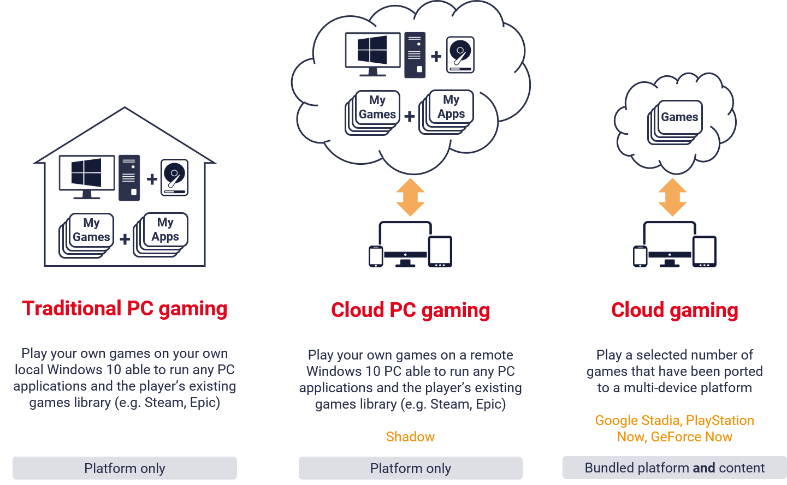
A: The primary difference lies in where the game processing occurs. In traditional gaming, your local PC or console handles all the computation and rendering. In cloud gaming, a remote server does this work, streaming the result to you. This means cloud gaming requires less powerful local hardware and no game downloads, but it heavily relies on your internet connection, unlike traditional gaming.
Q: Is cloud gaming environmentally friendly considering the large data centers?
A: This is a complex question. While individual users consume less local energy by not running powerful gaming rigs, the large data centers powering cloud gaming consume significant electricity. However, these data centers often employ energy-efficient designs, renewable energy sources, and economies of scale that might make the overall carbon footprint per game hour comparable or even lower than millions of individual high-end PCs running inefficiently. It depends on the provider's specific infrastructure and energy sourcing.
Hey fellow gamers Ever feel like the world of gaming moves at light speed while your budget and time crawl along? You're not alone. Many of us, especially those balancing jobs, families, and life's endless demands, struggle to keep up with the latest hardware, endless game installs, and performance tweaks. We just want to unwind, have some fun, maybe build a few skills or connect with friends without the hassle of a multi-thousand-dollar PC upgrade every other year. If this sounds like you, then understanding how cloud gaming works could be a total game-changer.
Imagine playing the newest AAA titles at maximum settings on almost any device you own—your old laptop, a tablet, or even your smart TV—without needing to download a massive file or worry if your graphics card can handle it. This isn't science fiction; it's the reality of cloud gaming. For the 87% of US gamers who play regularly, often dedicating 10+ hours a week, and especially for the busy 36-year-old average gamer, cloud gaming offers a tantalizing promise: high-quality gaming on your terms. This month alone, services are seeing massive user growth, driven by our collective desire for convenience and value. But how does this magic actually happen? Let's dive deep and demystify how cloud gaming works, offering practical solutions to common pain points and helping you reclaim your valuable gaming time.
What Exactly Is Cloud Gaming and How Does It Work?
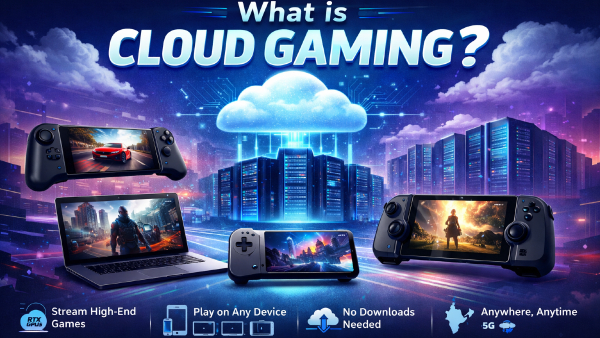
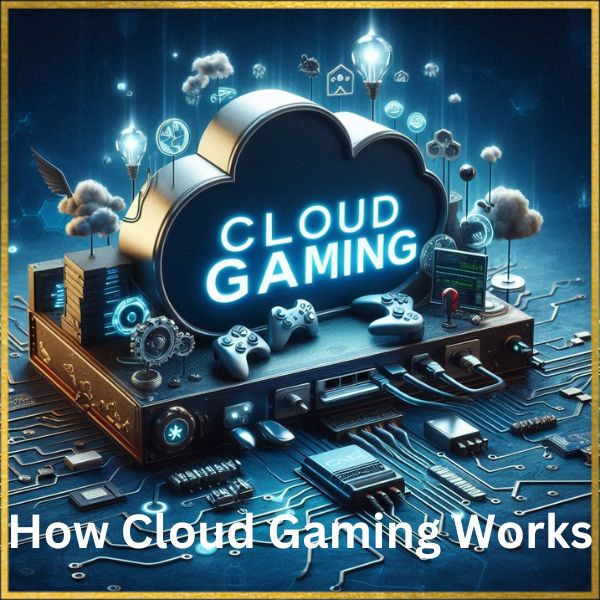
At its core, cloud gaming, sometimes called game streaming, works by shifting the heavy lifting of game processing from your local device to powerful remote servers. Think of it like Netflix for games. Instead of downloading a movie, you stream it directly. With cloud gaming, you're not actually running the game on your device. You're simply streaming the video feed of the game being played on a remote server, while your controller inputs are sent back to that server in real-time. This means the server handles all the intense graphics rendering, physics calculations, and data processing, then sends a compressed video stream of the game back to your screen.
This innovative approach frees you from the constant cycle of hardware upgrades and lengthy installation times. It's a fantastic option for gamers who want to experience cutting-edge titles without the upfront investment in expensive gaming rigs or consoles. The server does the heavy lifting, your device acts as a display and input mechanism, and your internet connection is the bridge. It's a simplified, accessible pathway to high-end gaming for everyone.
What Are the Key Components That Make Cloud Gaming Work?
Understanding how cloud gaming works means looking at its essential building blocks. These components work together seamlessly to deliver your gaming experience:
- Powerful Remote Servers: These are the true powerhouses. Located in data centers, they house high-end GPUs, CPUs, and RAM, far exceeding what most home setups possess. When you start a game, a slice of this server's power is allocated to you.
- High-Speed Internet Connection: This is arguably the most crucial link. A stable, fast internet connection (broadband, fiber, or robust 5G) is essential for sending your inputs to the server and receiving the game's video stream back quickly.
- Streaming Client Software: Whether it's a dedicated app or a web browser, this software on your device decodes the incoming video stream and encodes your controller inputs to send back to the server.
- Input Devices: Standard controllers, keyboards, and mice are all compatible. Your commands are captured locally, sent to the server, processed, and the result is streamed back.
- Global Server Network: Cloud gaming providers invest heavily in widespread server networks. The closer you are to a server, the lower your latency, which is vital for a smooth gaming experience.
Each piece plays a critical role in the overall performance. A weak link in this chain, especially your internet speed or distance to a server, can significantly impact your gameplay experience.
Why Is My Internet Speed So Important for Cloud Gaming Performance?
Your internet connection is the lifeline of cloud gaming. Since the game is running remotely, every action you take—moving your character, firing a weapon, navigating a menu—must travel from your device to the server. The server then processes that action, updates the game state, renders the new visuals, and sends that updated video stream back to your screen. This round trip needs to happen in milliseconds. This process is called latency or ping.
A slow or unstable connection leads to noticeable input lag (a delay between your action and the game's response) and visual stuttering or pixelation as the video stream struggles to keep up. Most services recommend a minimum of 15-25 Mbps for 1080p resolution and up to 50 Mbps or higher for 4K streaming. Furthermore, a stable connection with low jitter (variation in ping) is more important than raw speed alone. For many US households, broadband and fiber options are making these speeds accessible, paving the way for more seamless cloud gaming experiences.
How Do Cloud Gaming Services Handle Latency and Input Lag?
Latency and input lag are the biggest enemies of a smooth cloud gaming experience, especially for competitive titles. Providers employ several strategies to minimize these issues:
- Server Proximity: Locating servers closer to players is the primary defense. The shorter the physical distance data has to travel, the faster the response.
- Optimized Network Routing: Companies use specialized network routes to bypass internet traffic bottlenecks, ensuring data travels the most efficient path between your device and their servers.
- Compression and Encoding: Advanced video compression algorithms (like H.265 or AV1) are used to shrink the video stream size without significant loss in quality, allowing it to travel faster. They also prioritize frames with critical visual changes.
- Client-Side Prediction: Some systems use predictive algorithms on your local device. For example, if you press 'forward,' the client might briefly predict your character moving forward slightly before the server confirms it, reducing the perceived lag.
- Lower Refresh Rates: While not ideal for competitive play, some services might default to lower frame rates (e.g., 30fps instead of 60fps) to reduce the data bandwidth required, making the stream more stable on slower connections.
While these measures significantly reduce lag, a completely lag-free experience is impossible due to the laws of physics. However, for most single-player or casual multiplayer games, the latency is often imperceptible to the average player, making it perfectly enjoyable.
What Are the Benefits of Cloud Gaming for Busy Gamers Like Me?
For gamers balancing life, cloud gaming offers compelling advantages:
No Expensive Hardware: Say goodbye to costly PC upgrades. You don't need a powerful gaming rig or the latest console to play cutting-edge titles. This is a huge win for the budget-conscious gamer.
Instant Play: Forget about lengthy downloads and patches. Games are ready to play almost instantly, meaning less waiting and more actual gaming, perfect for short play sessions.
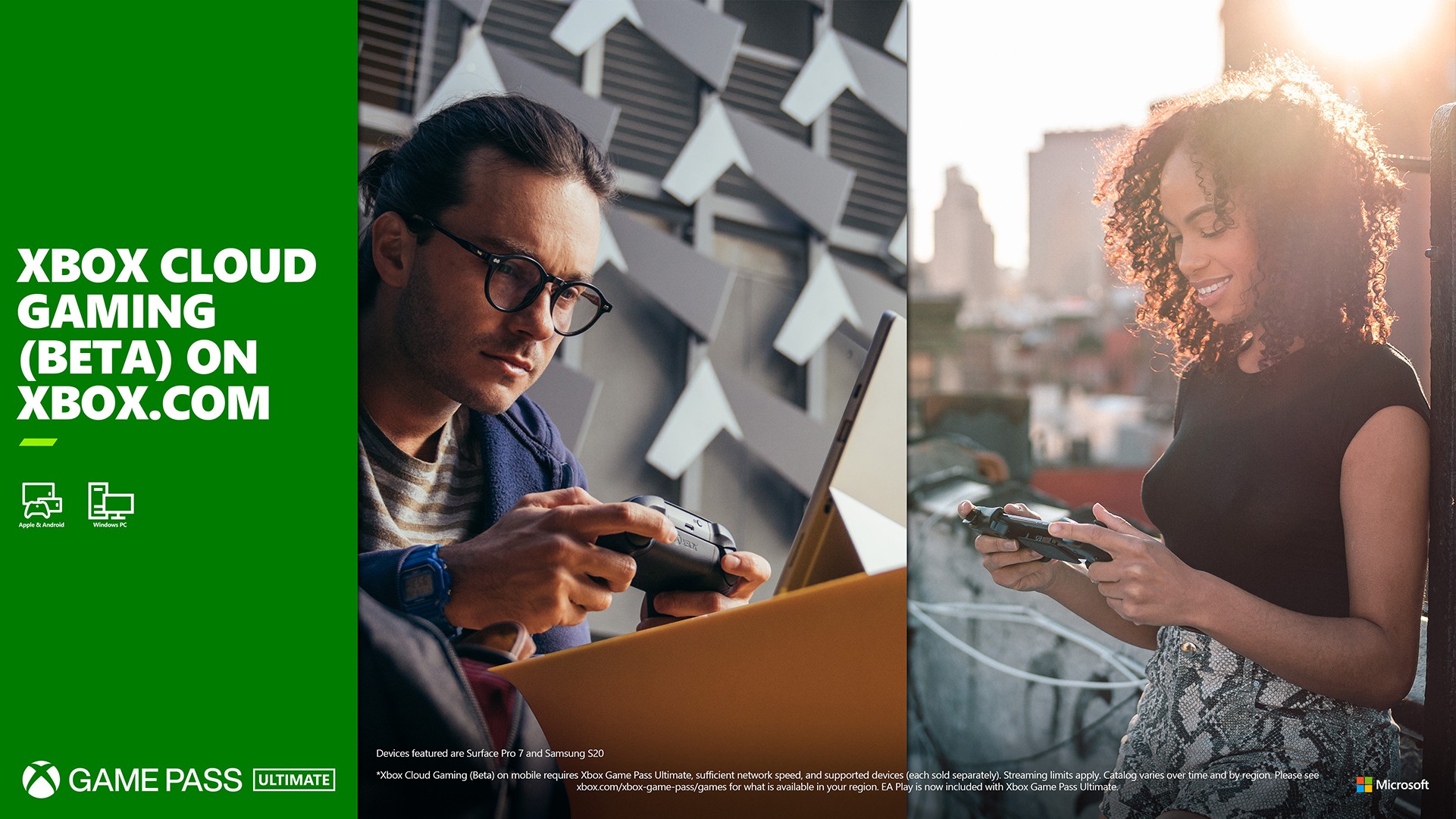
Play Anywhere, Anytime: As long as you have a compatible device and an internet connection, you can game on your lunch break, while traveling, or just unwinding on the couch. Mobile gaming continues to dominate, and cloud gaming extends console-quality experiences to these devices.
Vast Game Libraries: Many services offer access to a huge catalog of games for a monthly subscription fee, allowing you to try new titles without buying each one individually. This month's trends show more gamers experimenting with diverse genres.
Cross-Device Compatibility: Seamlessly switch between your phone, tablet, PC, or smart TV. Your game progress often syncs across devices, offering true flexibility.
Reduced Storage Needs: Since games are stored and run on servers, you free up valuable local storage space on your devices.
These benefits directly address common gamer pain points: budget constraints, limited time for setup, and the desire for diverse, accessible entertainment.
Are There Any Downsides to Cloud Gaming I Should Be Aware Of?
While cloud gaming is revolutionary, it's not without its drawbacks:
Internet Dependency: A poor internet connection (slow, unstable, high latency) can ruin the experience, leading to lag, pixelation, and disconnections. This is the single biggest barrier for many.
Data Usage: Streaming high-quality video for hours consumes significant internet data. If you have data caps, cloud gaming could quickly exceed them, leading to extra charges.
Limited Game Ownership: With many services, you're subscribing to access a library, not owning the games themselves. If you cancel your subscription, you lose access to those titles. Some services allow you to stream games you already own on other platforms, but this varies.
Visual Quality: While improving, video compression can sometimes lead to slight visual artifacts or a less crisp image compared to running a game natively on a high-end local machine, especially in fast-paced scenes.
Provider Dependency: Your gaming experience is tied to the service provider. Server issues, service changes, or platform closures can directly impact your ability to play.
Understanding these trade-offs helps you decide if cloud gaming is the right fit for your specific needs and priorities.
Which Cloud Gaming Services Are Most Popular in 2026?
The cloud gaming landscape is dynamic, with several strong contenders vying for attention:
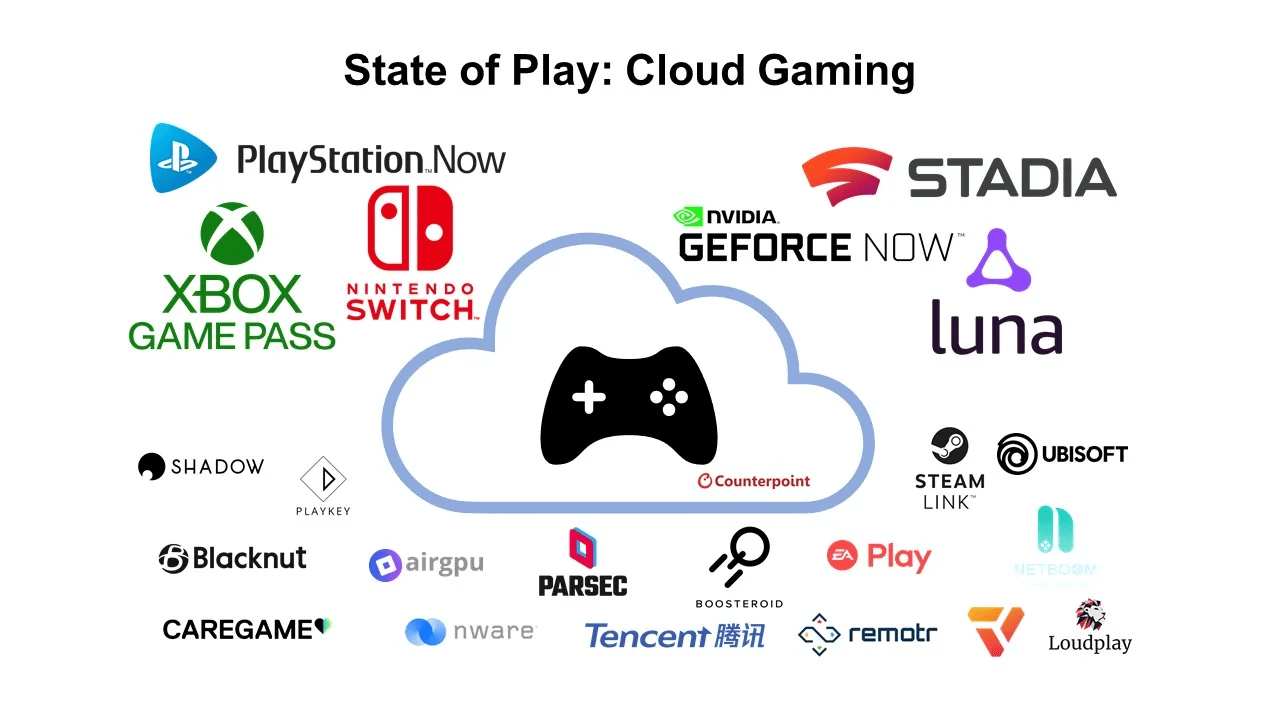
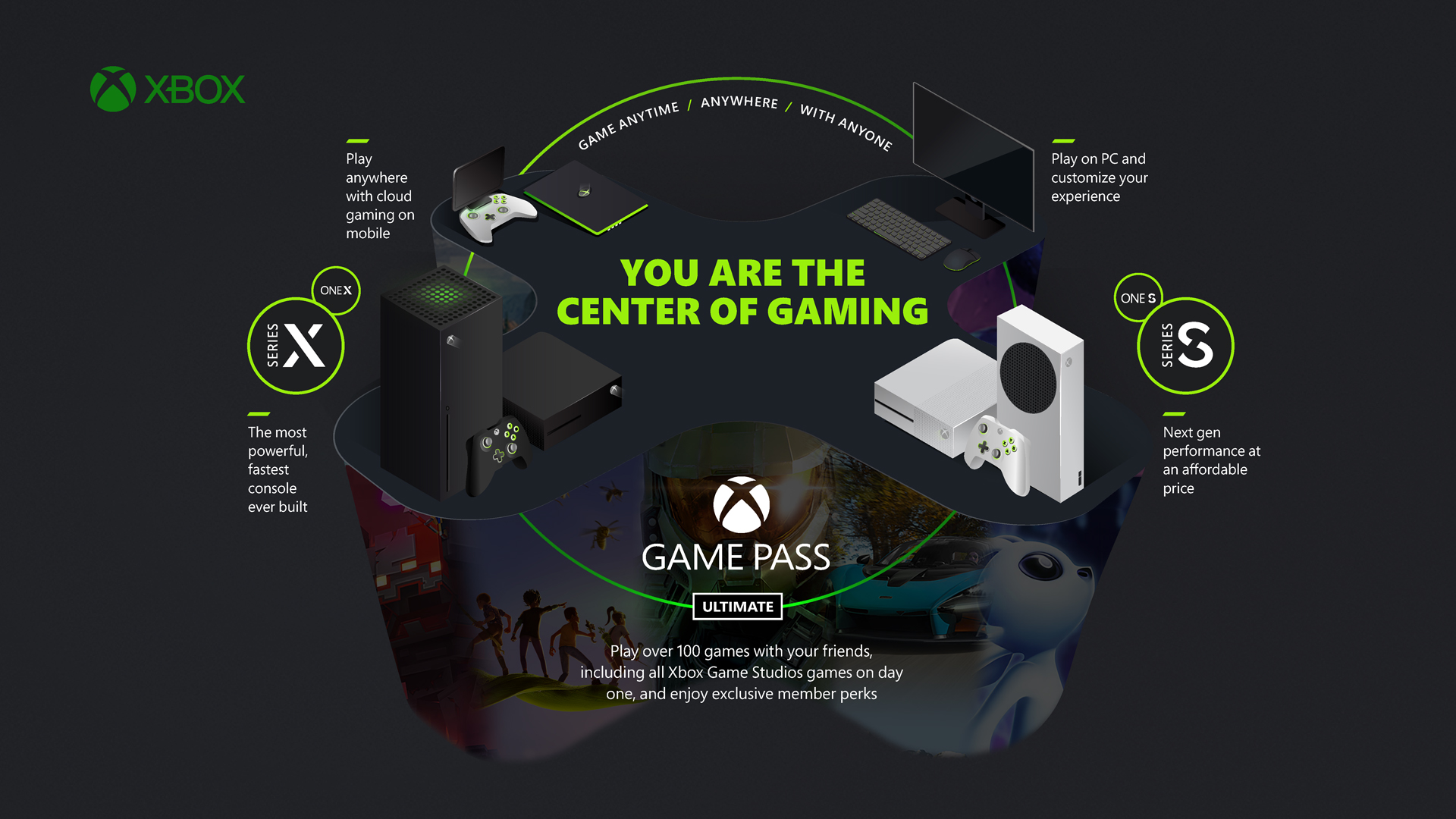
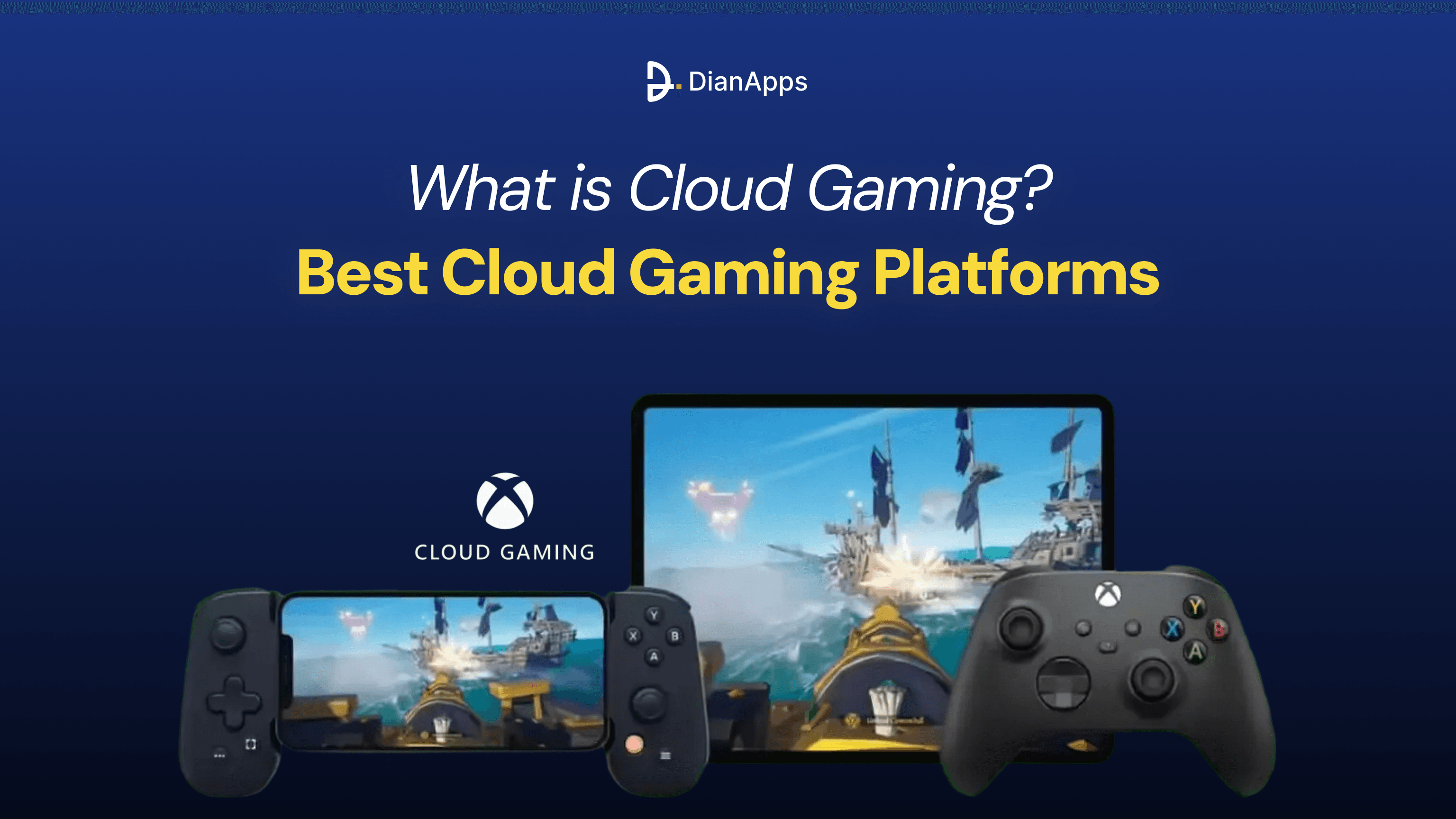
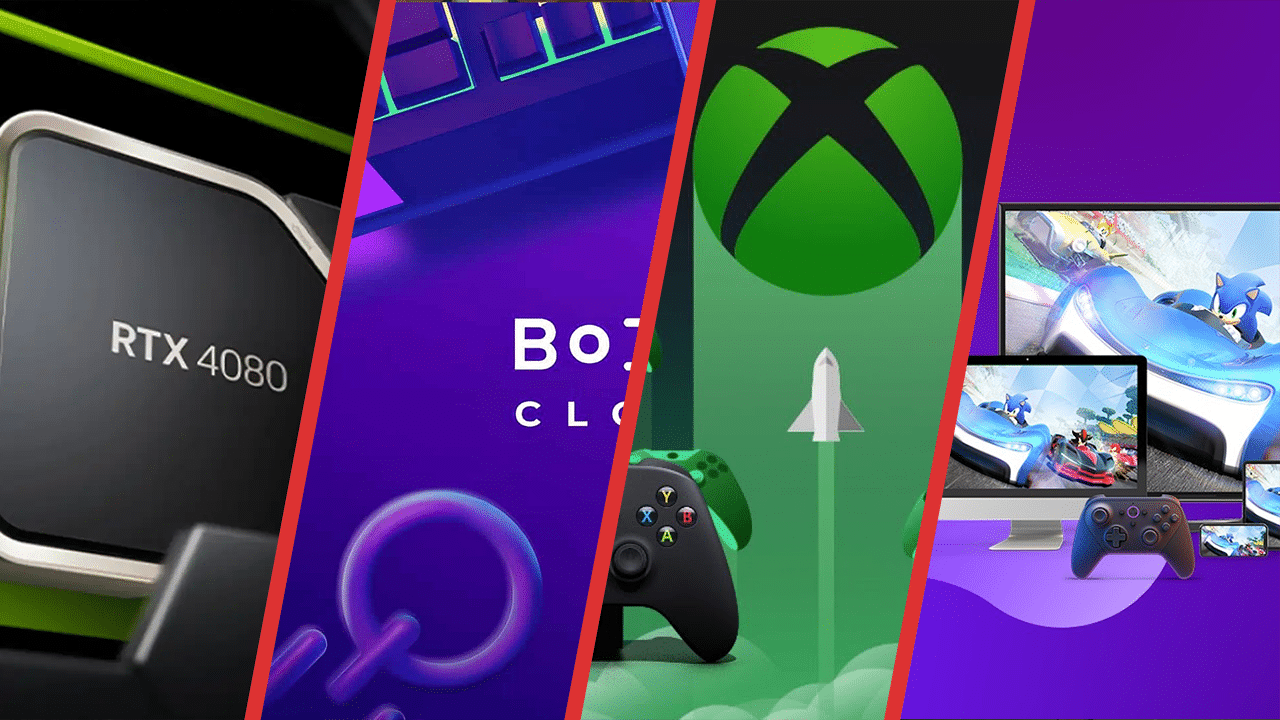
Xbox Cloud Gaming (xCloud): Integrated with Xbox Game Pass Ultimate, offering a vast library of Xbox titles playable on PC, mobile, and even some smart TVs. Its strong first-party catalog is a major draw.
NVIDIA GeForce NOW: This service allows you to stream games you already own on PC platforms like Steam, Epic Games Store, and GOG. It offers impressive graphics quality and performance for supported titles, often matching or exceeding local hardware.
Amazon Luna: Offers a channel-based subscription model, including a Prime Gaming channel for Amazon Prime members. It provides a flexible way to access various game libraries.
PlayStation Plus Premium: Includes a catalog of streamable PS4 and PS5 games, alongside classic PlayStation titles, accessible on PC and PlayStation consoles.
Each service has its strengths, whether it's game library, performance, or pricing model. It's worth trying free trials where available to see which fits your internet connection and gaming preferences best.
How Can I Optimize My Home Setup for the Best Cloud Gaming Experience?
Even without a high-end PC, you can significantly improve your cloud gaming experience:
Upgrade Your Internet: Aim for the fastest, most stable connection you can afford. Fiber optic is ideal. If not available, prioritize a good cable connection.
Use a Wired Connection (Ethernet): Wi-Fi is convenient, but Ethernet provides a more stable, faster connection with lower latency. If possible, connect your gaming device directly to your router.
Reduce Network Congestion: Minimize other bandwidth-heavy activities on your network during gaming. This means pausing downloads, streaming video, or large file transfers on other devices.
Close Background Apps: On your gaming device, close any unnecessary applications or browser tabs that might be consuming resources or bandwidth.
Choose the Right Server Region: Most services allow you to select a server region. Choose the one geographically closest to you to minimize latency.
Consider a Gaming Router: Some routers offer Quality of Service (QoS) features, allowing you to prioritize gaming traffic over other network activities.
Adjust Stream Quality: If you're experiencing lag, try reducing the streaming resolution or frame rate in your cloud gaming client's settings. Sometimes 1080p at 60fps is smoother than a stuttering 4K stream.
Implementing these tips can turn a frustrating experience into a smooth, enjoyable one, maximizing the value of your cloud gaming subscription.
Is Cloud Gaming a Good Value for Money Compared to Traditional Gaming?
For many gamers, cloud gaming absolutely offers excellent value. Consider the cost: a high-end gaming PC can easily run into thousands of dollars, plus the cost of individual games (typically $60-$70 each). Consoles are cheaper upfront but still require game purchases. With cloud gaming, your monthly subscription fee (often $10-$20) gives you access to a vast library of games, eliminating the need for expensive hardware upgrades.
For the busy adult gamer who wants to play a variety of titles without a huge initial investment or the hassle of constant maintenance, it's a no-brainer. You save money on hardware, save time on downloads and installations, and gain flexibility across devices. While you don't 'own' the games in the same way, the sheer breadth of content accessible for a low monthly fee is incredibly compelling, especially if you play many different games or enjoy experimenting with new releases without committing to a full purchase.
The financial model of cloud gaming is particularly attractive for those who game for relaxation and fun, rather than needing to own every title or push the absolute bleeding edge of graphics on their own machine. It's about access and convenience at a predictable, budget-friendly cost.
Cloud Gaming FAQ Section
What devices can I use for cloud gaming?
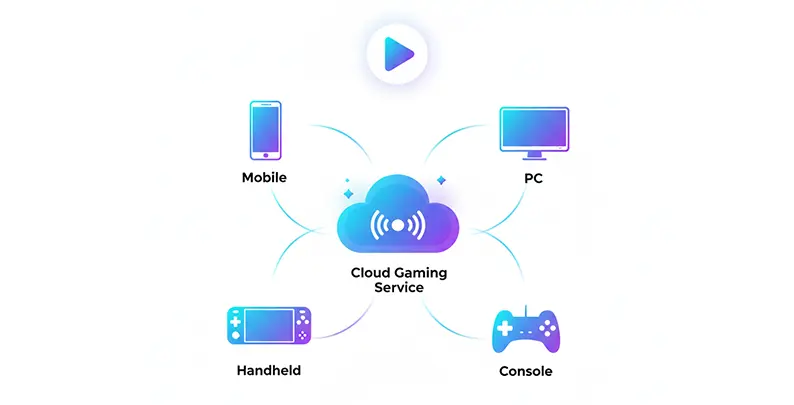
You can typically use a wide range of devices including PCs, Macs, Android and iOS smartphones and tablets, Chromebooks, smart TVs, and streaming sticks. As long as it can run the service's app or a compatible browser, you're usually good to go.
Do I need to buy games for cloud gaming?
It depends on the service. Some services, like Xbox Cloud Gaming or Amazon Luna, include a library of games with your subscription. Others, like NVIDIA GeForce NOW, let you stream games you already own on platforms like Steam or Epic Games Store.
Can I play multiplayer games on cloud gaming platforms?
Yes, most cloud gaming services fully support multiplayer gaming. You can play with friends who are also on the cloud platform, or often with players on native PC or console versions, depending on the game and service's cross-play capabilities. Social gaming remains a huge trend, and cloud platforms embrace it.
What is the minimum internet speed for cloud gaming?
Generally, a stable internet connection of at least 15-25 Mbps is recommended for 1080p streaming. For higher resolutions like 4K, 35-50 Mbps or more is often required. Consistency and low latency are more critical than just raw speed.
Does cloud gaming save my game progress?
Yes, your game progress is typically saved on the cloud servers, just like it would be if you were playing on a console or PC. This allows you to pick up exactly where you left off, even if you switch devices.
Is cloud gaming bad for my internet data cap?
Cloud gaming can consume significant amounts of data, similar to streaming 4K video. If you have a strict data cap, playing for extended periods could lead to exceeding it. Always check your internet plan and monitor your usage.
So, there you have it. Understanding how cloud gaming works isn't about being a tech wizard; it's about knowing how to leverage this technology to make your gaming life simpler, more affordable, and more accessible. For the average US gamer, who values relaxation, fun, and connection without the constant tech headaches, cloud gaming offers a refreshing alternative. It frees you from the upgrade treadmill, letting you jump into the latest titles with minimal fuss. Embrace the future of gaming and spend less time troubleshooting and more time playing.
What's your biggest gaming challenge that cloud gaming could solve? Share your thoughts and experiences in the comments below!
Cloud gaming streams games from remote servers reducing local hardware needs Understanding server infrastructure and internet speed is crucial for optimal performance Cloud gaming offers vast game libraries and cross-device compatibility Addressing latency and input lag is key to a smooth experience It provides a budget-friendly way to access high-end games without constant upgrades This technology is reshaping how US gamers play offering flexibility and convenience
35

How Does Cloud Gaming Work Xbox Switch PC 2026 How Does Cloud Gaming Work 800x480 . Los Mejores Servicios De Juegos En La Nube 2026 Gu A Hardware Cloud Gaming Como Funciona 1024x512 . Top Video Game Industry Trends For 2026 Juego Studios 05 Cross Platform And Cloud Gaming. From Concept To Creation Mastering Cloud Game Development How Cloud Gaming Work.webp. Cloud Gaming Explained The End Of Consoles TOOLYATRI COM Cloud Gaming 1.webp


What Is Cloud Gaming And Why You Care Streaming Learning Center CGIntro1 . How Does Cloud Gaming Work On Switch At Clara Moran Blog Mobile Cloud Gaming Intro 1 . To Cloud Gaming 2 226 . A Guide About The Future Of Cloud Gaming Future Of Cloud Gaming . What Is Cloud Gaming How It Turns A Mundane Smartphone Into A Gaming Cloud Gaming India 1771214897


How Does Cloud Gaming Work Play Any Game Without A Console What Is Cloud Gaming . Cloud Gaming Latency In 2026 Is It Finally Good Cloud Gaming Latency In 2026 .webp. What Is Cloud Gaming And How Does It Work Driffle Image 165 . Xbox Cloud Gaming Is It Changing How We Play Forever Cloud Gaming Static 1080 Jpg . How Cloud Gaming Is Changing The Future Of Console Games SDLC Corp How Cloud Gaming Is Changing The Future Of Console Games



How Is Cloud Gaming The Gaming Industry Image 14 . What Is Cloud Gaming On Xbox Everything You Need To Know GamesRadar . What Is Cloud Gaming And Is It Really The Future Of Gaming How Does Cloud Gaming Work 1 . Xbox Cloud Gaming Is It Changing How We Play Forever Xcg.webp. 5 Best Cloud Gaming Services 2026 Xbox GeForce Now How Does Cloud Gaming Work 2
What Is Cloud Gaming Best Cloud Gaming Platforms What Is Cloud Gaming Best Cloud Gaming Platforms 3d24190253 . How Cloud Gaming Works What Do We Expect On Market Growth And Future How Cloud Gaming Works . Cloud Gaming Statistics 2026 Key Data Behind The Hype XtendedView Cloud Gaming Statistics . How Does Cloud Gaming Work A Beginner S Guide How Does Cloud Gaming Work 1 . Cloud Gaming Is The FUTURE GeForce NOW Xcloud Launch In India 2026
Cloud Gaming You Should Know In 2026 Com Cloud Gaming You Should Know In 2025 . Cloud Gaming Mac How To Play Any Game On MacOS 2026 Best Cloud Gaming Handheld 1024x576 . The Evolution Of Gaming In The Cloud Download 40 2 . Complete Guide To Cloud Gaming Services In 2026 All Your Options . How Does Cloud Gaming Work Xbox Switch PC 2026 How Does Cloud Gaming Work Xbox Game Pass



Xbox Cloud Gaming Is It Changing How We Play Forever Xcg S1.webp. How Cloud Gaming Is Shaping The Future Of The Industry SDLC Corp 4 1 1 . Cloud Gaming Mac How To Play Any Game On MacOS 2026 Best Cloud Gaming Controller . Cloud Gaming Vs Traditional Gaming The Latest 2025 01 06 16 51 19 314 . Cloud Gaming Usage Statistics 2026 Surprising Growth Trends Revealed Cloud Gaming Arpu Growth 2024 2027