What is an assessment map and its purpose?
An assessment map visually connects learning objectives or project goals with the specific assessments designed to measure their achievement. Its purpose is to ensure all evaluations are purposeful, aligned with desired outcomes, and provide a clear overview of progress. This tool enhances transparency and helps identify gaps or redundancies in the assessment process.How do assessment maps benefit educators?
Educators benefit from assessment maps by gaining a clear framework for curriculum design and evaluation. It helps them ensure that teaching activities and assessments directly support learning objectives, preventing misalignment. This clarity improves instructional focus, allows for better feedback to students, and helps educators identify areas for curriculum strengthening.Can businesses use assessment maps for employee training?
Yes, businesses widely use assessment maps for employee training and development programs. They map training objectives to various evaluation methods, like performance reviews, skill tests, or project outcomes. This ensures that training directly impacts desired competencies and provides measurable results, justifying investment in professional development and improving workforce effectiveness.What are common components found in an assessment map?
Common components in an assessment map include learning objectives or project goals, specific learning activities, various assessment methods (e.g., quizzes, projects, presentations), the timing or frequency of these assessments, and the criteria or rubrics for evaluating success. Some maps also include responsible parties or resources required for each assessment.How does an assessment map ensure alignment?
An assessment map ensures alignment by explicitly linking each learning objective or project outcome to the corresponding assessment method. This visual connection makes it clear how each evaluation activity directly measures progress toward a specific goal. It prevents random assessments and guarantees that all evaluations contribute purposefully to the overarching aims of a program or project.An assessment map offers a vital strategic blueprint, clearly outlining how various evaluation methods align with specific learning objectives or project milestones. This comprehensive tool is essential for educators, project managers, and organizational leaders in the U.S. seeking to enhance clarity, efficiency, and effectiveness in their programs. By visualizing the entire assessment landscape, it helps pinpoint where evaluations are strong, identify potential gaps, and ensure every activity genuinely contributes to desired outcomes. Readers will discover the core purpose of an assessment map, understand its profound benefits in diverse settings from education to corporate training, and learn practical steps for creating one. This guide empowers you to make informed decisions about implementing, optimizing, or even locating local experts for assessment mapping, ultimately leading to more robust strategies and verifiable progress. Whether you aim to refine a curriculum, streamline project evaluation, or simply understand this powerful planning method, this resource provides the clarity and actionable insights you need for success.
Key highlights
Gallery


Summer 2026 Assessment Map Website FRC Fall River County South Dakota 2026 NWEA Scores By Grade Level 2025 2026 New Norms 2025 2026 Percentiles 2025 2026 NSSG Excited To Share The Newly Released 2026 Global Risk Media Test 2025 2026 D2A6821C2FBA21B9A59AB05961FB111D05411377 2026 Property Assessments Town Of Vermilion Propertyassesments MASSACHUSETTS SHEET MASTER FORESIGHT 2026 696f796a9fb10 10208144 1200 1700 696f796a9fb10 10208144 1200 1700 APC Skills 2026 Complete Route For Physiotherapists 2026 Climate And Vulnerability Mapping Training Course Oct 106 ISW Russian Offensive Campaign November 2026 45d402b219f9c266f96ee914d5b56cf7 What Is Highest Score On Detroit Chinatown Steps An Best Practices Guidelines Summary Post Answers Guide Boost Your Techimaging Org.
Gallery
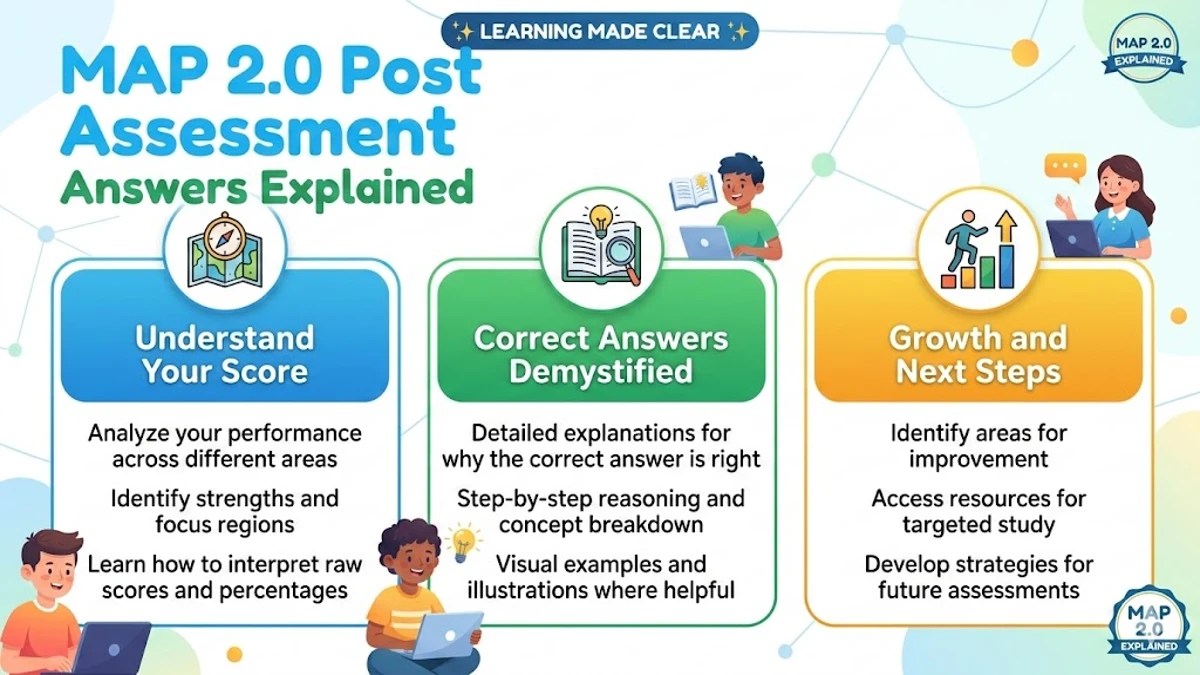


Map Post Assessment Answers Complete Guide To Understanding Explained How Track Student Growth Day 2026 Lincoln University Flyer 2026 Rev 2026 Solutions Bicheli IGCSE Geography Plan 2025 PDF Annual 2026 Anti Trans National Legal Risk Feb 2026 132f7f23 A430 4179 90FD 82ee4414f298 132f7f23 A430 4179 90FD 82ee4414f298 Question Answer 2026 VCAA Schedule Computing Mathematics Need Hawaii Bulletin.
Gallery


Map Post Assessment Answers Complete Guide Solutions St Joe S Students Continue To Soar On National Assessments MAPSCORES2026 Inforgraphic MAPSCORES2026 The Ultimate Risk Of 2026 SAFETURE Riskmap 2026 AFRICA 260507 2026 260507 2026 2026 ASIA 260507 Scaled 2026 260507 Unlocking Success Your Dar Care Image Fx 2026 28t125907 188 2026 28t125907 188 GR11 POA 2026 Programme PINETOWN DISTRICT 2026 Thumb 1200 927 1200 927 Whole Centre Rating Pack Educators Domain 32a2c2 8df17460dba644cb91ffebdf1618cd66mv2 32a2c2 8df17460dba644cb91ffebdf1618cd66mv2 2026 Global Counter Terrorism Commandeleven GTA2026 GTA2026 UPD3700 Plan 2026 PDF PPT Developing Plans Powerpoint Presentation Free Focused L ISW Russian Offensive Campaign November 2026 AF70792A3EE771D0DD72815A4B3BEA4C.
Frequently asked questions
What defines an assessment map?
An assessment map is a visual representation linking learning objectives, skills, or project goals to specific evaluation methods. It provides a clear overview of how various assessments measure progress and achievement within a curriculum or project. This tool helps ensure alignment between what is taught or planned and what is actually assessed, making evaluation more coherent and effective.
How does an assessment map improve decision-making?
An assessment map improves decision-making by providing comprehensive data on program effectiveness. It highlights areas of strength and weakness in both instruction and assessment, allowing educators and managers to make informed adjustments. This insight helps allocate resources better, refine strategies, and ensure interventions are targeted for maximum impact on learning or project outcomes.
What is the ideal first step to create an assessment map?
The ideal first step to create an assessment map is to clearly define your learning objectives or project goals. These objectives must be specific, measurable, achievable, relevant, and time-bound. A well-articulated set of goals forms the indispensable foundation, guiding the selection of appropriate assessment methods and ensuring the map's overall coherence and utility.
Can assessment mapping be used for career development?
Yes, assessment mapping is highly effective for career development. Individuals can map desired skills and career goals against current competencies and relevant training or development activities. This helps identify skill gaps, plan targeted learning paths, and track progress towards professional advancement, providing a clear visual strategy for career growth and continuous improvement.
Where can I find examples of assessment maps for education?
Examples of assessment maps for education are widely available on university websites, educational consulting sites, and academic resource platforms. Searching online for 'curriculum assessment map examples' or 'program evaluation maps' will yield numerous templates and case studies. These resources often demonstrate how various subjects or programs link learning outcomes to diverse assessment strategies, offering valuable insights.
What are the potential challenges in creating an assessment map?
Potential challenges in creating an assessment map include clearly defining measurable objectives, ensuring all assessments align precisely with those objectives, and avoiding over-assessment or under-assessment in certain areas. It also requires collaboration among stakeholders and a willingness to adapt existing practices. Keeping the map updated as programs evolve presents another ongoing challenge for long-term effectiveness.
An assessment map serves as a powerful visual guide, illustrating the connection between learning objectives, specific skills, or project milestones and the methods used to evaluate them. This strategic tool brings immediate clarity to any curriculum, training program, or organizational initiative, helping stakeholders understand exactly how progress is measured and what outcomes are expected. It is not just about tests; it encompasses all forms of evaluation, from quizzes and presentations to practical demonstrations and portfolio reviews. Effectively, an assessment map ensures that every evaluative step contributes meaningfully to the overarching goals, making the entire process more transparent and purposeful for everyone involved.
For anyone involved in designing or implementing educational programs or project plans, grasping the concept of an assessment map is crucial. It acts as a compass, guiding both instructors and learners through the journey of skill acquisition and knowledge application. By laying out the assessment landscape, it prevents disconnects between teaching content and evaluation criteria, ultimately leading to a more coherent and impactful learning or development experience. This structured approach helps ensure that all efforts are aligned, fostering a deeper understanding of success metrics and pathways.
Across various sectors in the United States, from K-12 education and higher learning institutions to corporate training departments and professional development programs, the assessment map has become an indispensable asset. Organizations use it to streamline their processes, identify areas for improvement, and guarantee that their investments in learning and development yield tangible results. Understanding this tool means empowering yourself with the ability to design more effective, measurable, and ultimately successful programs that resonate with their intended audience.
What Exactly is an Assessment Map?
An assessment map is essentially a graphical representation that links specific learning outcomes or project objectives with the corresponding assessment activities designed to measure their achievement. Imagine it as a blueprint for evaluation, where each objective is paired with one or more methods of evaluation, demonstrating how well a student or team has mastered a particular skill or achieved a goal. This visual tool offers a bird's-eye view, making it easy to see the complete picture of evaluation strategies within any structured program or course.
Its primary purpose extends beyond just grading; it ensures that all assessments are purposeful and directly relate to what participants are expected to know or be able to do. For example, if a learning objective is to apply critical thinking to solve complex problems, the assessment map would outline specific assignments, case studies, or projects that require such application, rather than just rote memorization. This direct alignment makes the evaluation process more meaningful and provides clearer feedback to both instructors and learners about areas of strength and areas needing further attention.
In practical terms, an assessment map often includes columns or sections detailing objectives, learning activities, assessment types, timing, and even the criteria for success. This structured approach helps prevent over-assessment in some areas and under-assessment in others, creating a balanced and efficient evaluation system. It acts as a powerful communication tool, clearly articulating the progression of skills and knowledge, and highlighting the journey from initial learning to demonstrated mastery, making it invaluable for curriculum design and project planning.
Why Should You Create an Assessment Map?
Creating an assessment map offers numerous advantages for anyone looking to optimize their educational programs, professional training, or project management strategies. One key benefit is enhanced clarity and alignment. By visually connecting objectives with assessments, the map ensures that every evaluation task directly supports the desired outcomes. This clarity helps instructors design more focused curricula, guides learners toward what truly matters, and helps project managers keep their teams on track, minimizing wasted effort on misaligned activities and maximizing impact.
Another significant reason to develop an assessment map is its ability to improve program outcomes and efficiency. When assessments are strategically mapped, it becomes easier to identify redundancies or gaps in the evaluation process. This allows for adjustments that can streamline the curriculum or project plan, making it more cohesive and effective. For example, if multiple assessments are measuring the same skill in similar ways, the map can reveal this, prompting a redesign to diversify evaluation methods and provide a more comprehensive picture of achievement.
Moreover, an assessment map serves as an excellent tool for communication and accountability. It provides a transparent overview for all stakeholders, including students, faculty, administrators, and clients, showing how each component contributes to the overall success. This transparency builds trust and helps everyone understand their role in achieving goals. By making the assessment strategy explicit, it encourages continuous improvement and data-driven decision-making, ensuring that programs evolve to meet current needs and standards effectively.
Choosing the Right Tools for Your Assessment Map
Selecting the appropriate tools for creating your assessment map can significantly impact its effectiveness and ease of use. While a simple spreadsheet can suffice for basic mapping, dedicated software or online platforms often provide more robust features for organization, collaboration, and visualization. These specialized tools might offer templates, drag-and-drop interfaces, and integrated analytics, making the mapping process more intuitive and less time-consuming. Considering your specific needs, team size, and the complexity of your program will guide your choice, ensuring the tool supports your objectives without unnecessary complication.
Many organizations opt for project management software or learning management systems (LMS) that include assessment mapping functionalities. These integrated solutions allow for seamless linking of objectives, assignments, and grades, often with features for tracking progress and generating reports. Such platforms can enhance collaboration among team members, enabling multiple contributors to work on the map simultaneously and in real-time. Before committing, explore options that offer robust customization, allowing you to tailor the map to your unique program structure and assessment types, rather than forcing your process into a rigid template.
When evaluating different assessment mapping tools, consider factors such as scalability, reporting capabilities, and user-friendliness. A tool that can grow with your program is vital, as are strong reporting functions that help you analyze assessment data and identify trends over time. Look for options that prioritize an intuitive user interface, minimizing the learning curve for your team. Many providers offer free trials or demos, allowing you to test out features and ensure the software truly meets your needs before making a significant investment. Always prioritize a solution that makes your assessment mapping efficient and insightful.
How to Effectively Build an Assessment Map
Building an effective assessment map requires a systematic approach, starting with a clear understanding of your goals. Begin by defining your primary learning objectives or project outcomes with precision. What exactly should participants know, understand, or be able to do upon completion? These objectives form the foundation of your map, so ensure they are specific, measurable, achievable, relevant, and time-bound (SMART). Without well-defined objectives, your assessment map lacks a clear direction, making it difficult to select appropriate evaluation methods and measure true progress.
Next, identify all the learning activities and corresponding assessments relevant to each objective. This step involves listing every quiz, assignment, presentation, project, or practical task that contributes to measuring mastery. For each objective, ask yourself: What specific activities will help participants develop the necessary skills or knowledge, and how will their attainment of that objective be evaluated? Consider a variety of assessment types to gain a comprehensive view of performance, moving beyond just traditional tests to include portfolios, peer reviews, or real-world simulations, if appropriate for the context.
Finally, visually map these connections. Use a table, spreadsheet, or specialized software to create columns for objectives, learning activities, assessment methods, and even success criteria. This visual representation allows you to see the entire landscape at a glance, highlighting areas where objectives might be over-assessed, under-assessed, or entirely missed. Regularly review and refine your assessment map to ensure it remains relevant and effective, adapting it as your program evolves or as new insights emerge from performance data. This iterative process is crucial for maintaining a dynamic and responsive evaluation strategy.
Frequently Asked Questions About Assessment Maps
What is the main benefit of using an assessment map?
The main benefit of an assessment map is providing a clear, visual overview that aligns learning objectives or project goals with specific evaluation methods. This alignment ensures that every assessment serves a purpose, directly measuring progress towards desired outcomes. It clarifies expectations for everyone involved, helps identify gaps or redundancies in evaluation, and ultimately leads to more effective, coherent, and impactful programs or curricula.
Who typically uses assessment maps?
Assessment maps are primarily used by educators, curriculum designers, and academic administrators in schools and universities to ensure educational programs are well-structured. Beyond academia, project managers, corporate trainers, and organizational development specialists also leverage assessment maps to design effective training programs, measure skill acquisition, and evaluate the progress of various initiatives within businesses and non-profit organizations across the U.S.
Can an assessment map improve student learning?
Yes, an assessment map significantly improves student learning by making the learning journey and evaluation criteria transparent. Students understand what they need to learn and how their understanding will be measured, enabling them to focus their efforts effectively. This clarity promotes self-directed learning, reduces anxiety, and helps students connect individual assignments to larger learning goals, leading to deeper comprehension and better overall academic performance.
Are there free assessment map templates available online?
Absolutely, numerous free assessment map templates are available online from educational resource websites, software providers, and academic institutions. These templates often come in various formats like Word documents, Excel spreadsheets, or Google Sheets, and can be customized to fit specific needs. They serve as a great starting point for individuals or organizations new to assessment mapping, providing a structured framework to begin the process without requiring immediate investment in specialized software.
How often should an assessment map be reviewed?
An assessment map should be reviewed regularly, ideally at least once a year, or at the conclusion of each major program cycle or project phase. Frequent reviews ensure the map remains current with evolving objectives, updated curriculum content, or changes in project scope. Periodic evaluation helps identify any misalignment, inefficiencies, or emerging needs, allowing for timely adjustments to maintain the map's effectiveness and relevance for ongoing success.
Navigating Your Path with an Assessment Map
The assessment map stands as an indispensable tool for anyone aiming to bring structure and purpose to their evaluation processes. It demystifies the connection between objectives and assessments, transforming what can often feel like a disconnected series of evaluations into a cohesive, goal-oriented system. By visually charting this journey, an assessment map empowers educators, project managers, and learners alike to clearly see the path from intent to achievement, ensuring that every effort in learning or project development is both strategic and impactful.
Understanding an assessment map means gaining a powerful advantage in designing programs that truly work. It forces a careful examination of what is being taught or delivered, and how effectively it is being measured. This thoughtful approach helps pinpoint critical areas for improvement, streamline workflows, and enhance the overall quality and relevance of any initiative. For U.S. audiences, this translates into better educational outcomes, more efficient corporate training, and ultimately, more successful project completions that resonate with stakeholder needs.
Whether you are considering implementing an assessment map for the first time or seeking to refine an existing one, the time to act is now. Explore available templates online, research software solutions that fit your budget, or consider reaching out to local educational consultants or project management experts in your area. Many professionals specialize in designing and implementing robust assessment strategies. By leveraging an assessment map, you equip yourself with the foresight and clarity needed to navigate complex objectives, drive meaningful progress, and achieve your desired results with confidence and precision.